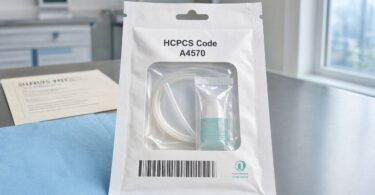
Nexplanon is a highly effective, long-acting reversible contraceptive (LARC) that offers up to three years of pregnancy prevention. As healthcare providers and billing specialists navigate the complexities of medical coding, understanding the correct HCPCS (Healthcare Common Procedure Coding System) code for Nexplanon (J7307) is crucial for accurate billing and reimbursement.
This guide provides an in-depth exploration of HCPCS Code for Nexplanon, billing procedures, insurance policies, and coding best practices. Whether you’re a medical coder, healthcare provider, or patient seeking clarity on coverage, this article delivers comprehensive insights.

HCPCS Code for Nexplanon
Understanding HCPCS Codes
HCPCS codes are standardized medical codes used for billing Medicare, Medicaid, and private insurers. They are divided into two levels:
-
Level I: CPT (Current Procedural Terminology) codes for physician services.
-
Level II: Codes for medical supplies, drugs, and services not covered by CPT.
Nexplanon falls under Level II HCPCS codes, specifically J7307, which represents the etonogestrel implant.
What Is Nexplanon?
Nexplanon is a subdermal contraceptive implant containing etonogestrel, a progestin hormone. It is inserted into the upper arm and provides 99% effectiveness in preventing pregnancy for up to three years.
Key Features of Nexplanon
-
Long-acting (3 years)
-
Reversible (removable at any time)
-
Low-maintenance (no daily pills or monthly injections)
-
Hormonal (prevents ovulation, thickens cervical mucus)
HCPCS Code for Nexplanon: J7307
The HCPCS code for Nexplanon is J7307, defined as:
“Etonogestrel (contraceptive) implant system, including implant and supplies.”
HCPCS Code Breakdown for Nexplanon
| Code | Description | Units | Average Cost |
|---|---|---|---|
| J7307 | Etonogestrel implant system (Nexplanon) | 1 | $800 – $1,200 |
This code covers the implant device itself and any associated insertion supplies.
Billing and Reimbursement for Nexplanon
Proper billing for Nexplanon involves:
-
Using J7307 for the implant
-
Adding insertion/removal CPT codes (11981, 11982, 11983)
-
Ensuring proper documentation (medical necessity, consent forms, procedure notes)
Common CPT Codes for Nexplanon Procedures
| CPT Code | Description |
|---|---|
| 11981 | Insertion of contraceptive implant |
| 11982 | Removal of contraceptive implant |
| 11983 | Removal and reinsertion of contraceptive implant |
Insurance Coverage and Medicare/Medicaid Policies
-
Private Insurance: Most ACA-compliant plans cover Nexplanon at no cost under preventive care.
-
Medicaid: Coverage varies by state but is widely included.
-
Medicare: Limited coverage (usually only for high-risk patients).
Providers should verify prior authorization requirements to avoid claim denials.
Coding Guidelines and Documentation Requirements
To prevent claim rejections:
✔ Use J7307 for the implant.
✔ Pair with CPT 11981/11982/11983 for procedures.
✔ Submit proof of medical necessity (e.g., contraceptive counseling notes).
Common Billing Errors and How to Avoid Them
❌ Incorrect coding (mixing J7307 with drug codes)
❌ Missing prior authorization
❌ Insufficient documentation
Solution: Regular audits and staff training on Nexplanon billing protocols.
Nexplanon Insertion and Removal Procedures
Insertion Steps:
-
Sterilize the insertion site (upper arm).
-
Use a preloaded applicator.
-
Confirm placement via palpation.
Removal Steps:
-
Locate the implant.
-
Make a small incision.
-
Extract carefully.
Cost Analysis: Nexplanon vs. Other Contraceptives
| Method | Duration | Cost |
|---|---|---|
| Nexplanon | 3 years | $800 – $1,200 |
| IUD | 3-10 years | $500 – $1,300 |
| Birth Control Pills | Monthly | $20 – $50/month |
Nexplanon is cost-effective for long-term use.
Frequently Asked Questions (FAQs)
1. What is the HCPCS code for Nexplanon?
The correct code is J7307 for the etonogestrel implant.
2. Does Medicare cover Nexplanon?
Rarely, unless medically necessary (e.g., for endometriosis).
3. How do I bill for Nexplanon insertion?
Use J7307 for the implant and CPT 11981 for insertion.
4. What if my claim for Nexplanon is denied?
Check for missing prior authorization or incorrect coding.
5. Is Nexplanon covered under Medicaid?
Yes, in most states, but coverage varies.
Conclusion
Understanding the HCPCS code J7307 for Nexplanon ensures accurate billing and reimbursement. Proper documentation, correct coding, and insurance verification are key to avoiding claim denials. Nexplanon remains a highly effective, long-term contraceptive option with broad insurance coverage.