If you have ever dealt with the frustration of a yeast infection, you know how uncomfortable it can be. For medical coders, billers, and healthcare providers, finding the right ICD-10 code for yeast vaginitis is just as important as finding the right treatment for the patient. Using the correct code ensures proper insurance reimbursement, accurate medical records, and better tracking of public health trends.
But here is the truth: not all yeast infections are coded the same way. The code depends on whether the infection is in the vagina, the vulva, or both. It also depends on the specific type of yeast causing the problem.
In this guide, we will walk you through everything you need to know about the ICD-10 code for yeast vaginitis. We will keep things simple, clear, and practical. Whether you are a coder studying for an exam or a doctor wanting to double-check a claim, this article is for you.
Let us start with the most important question: what is the exact code?
What Is the Exact ICD-10 Code for Yeast Vaginitis?
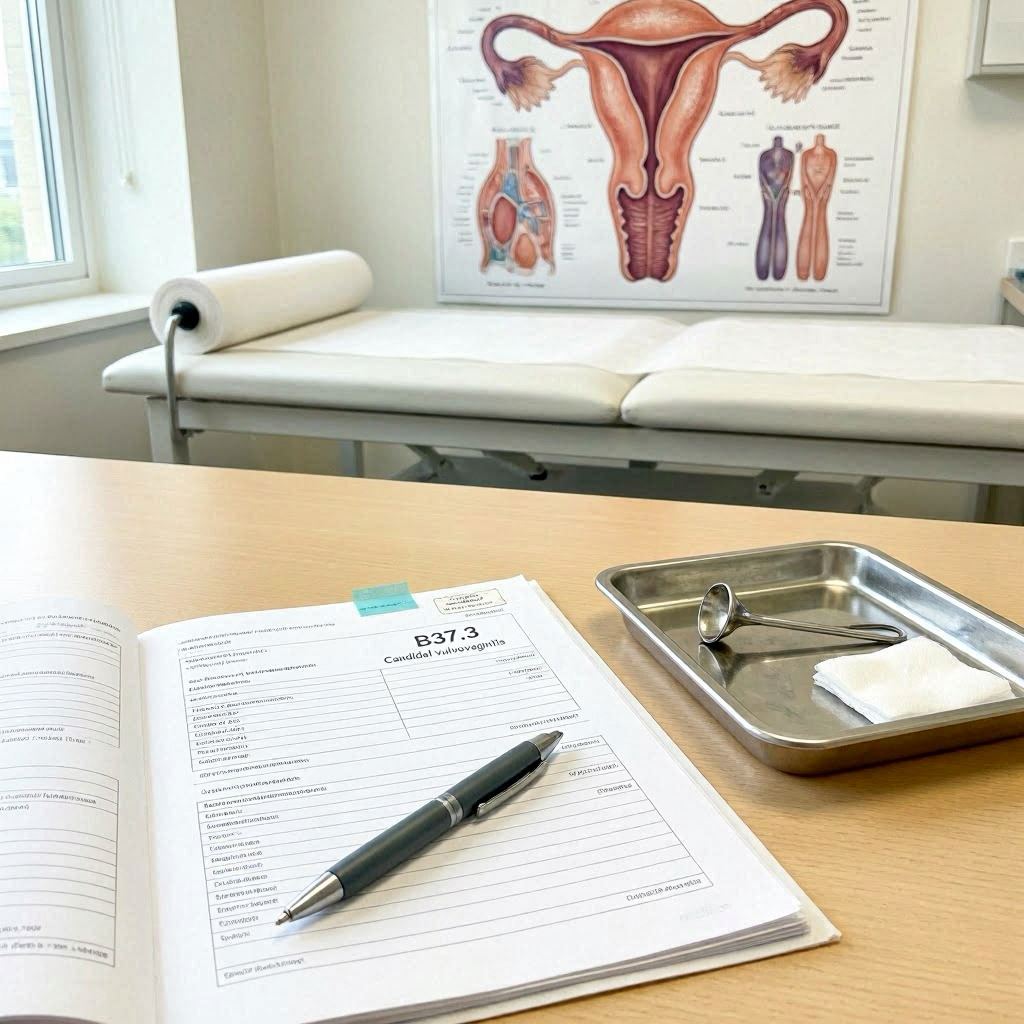
The primary ICD-10 code for yeast vaginitis is B37.3 – Candidiasis of the vulva and vagina.
This code falls under the larger category of “Mycoses” (fungal infections) and specifically refers to infections caused by Candida species, most commonly Candida albicans.
Important Note for Coders: Code B37.3 is a “billable” code. This means it is specific enough to be used for reimbursement purposes. You do not need an additional code to describe the location if the infection affects both the vulva and the vagina.
However, real life is rarely that simple. Sometimes the infection affects only one area, or a different type of yeast causes the problem. Let us explore those scenarios.
Breaking Down the ICD-10 Codes Related to Yeast Vaginitis
The coding world uses a very logical system. The main code B37.3 works for most routine cases. But here is a helpful table to clarify when to use other related codes.
| Diagnosis | ICD-10 Code | Description | When to use |
|---|---|---|---|
| Yeast vaginitis (vulvovaginal) | B37.3 | Candidiasis of the vulva and vagina | Most common. Use when both areas are involved or when the documentation is not specific. |
| Yeast vulvitis (only the vulva) | B37.3 | Same code | The code includes vulva. You do not need a separate code. |
| Yeast vaginitis (only the vagina) | B37.3 | Same code | The code includes vagina. You do not need a separate code. |
| Other urogenital candidiasis | B37.49 | Candidiasis of other urogenital sites | Rare. For yeast infections in the bladder or urethra. |
| Candidal balanitis (male) | B37.42 | Candidiasis of the penis | Use for male patients with a penile yeast infection. |
| Vaginitis, unspecified | N76.1 | Subacute and chronic vaginitis | Use ONLY when the provider does NOT know the cause (bacterial, yeast, or trichomoniasis). |
A Common Confusion: B37.3 vs. N76.1
Many new coders ask the same question: “Should I use N76.1 (subacute vaginitis) instead?”
The answer is no – if the doctor has confirmed a yeast infection. N76.1 is a “symptom code” for inflammation of the vagina without a known cause. Once the lab report shows Candida species, you must switch to B37.3.
Think of it this way:
- N76.1 = “She has vaginitis. We do not know why yet.”
- B37.3 = “We ran the test. It is a yeast infection.”
Always choose B37.3 when the diagnosis is confirmed.
Why the Correct Code Matters More Than You Think
Using the right ICD-10 code for yeast vaginitis is not just about following rules. It has real-world consequences.
For patients: The correct code helps justify the prescription of antifungal medications like fluconazole or topical creams. Insurance companies deny claims when the code does not match the treatment. A denied claim means a surprise bill for the patient.
For doctors and clinics: Accurate coding affects your reimbursement rate. It also protects you during audits. If an auditor sees B37.3 on a claim without any diagnostic evidence, they may flag your practice.
For public health: Health departments track infection rates. If coders incorrectly use N76.1 for every vaginitis case, officials cannot see the true rise or fall of yeast infections in the community.
Signs and Symptoms That Lead to This Code
You might be reading this as a patient who just searched for “icd 10 code yeast vaginitis” because you want to understand what your doctor wrote on your visit summary. Or you are a coder trying to match the documentation to the right code.
Either way, knowing the symptoms helps clarify why B37.3 is the correct choice.
Common symptoms of yeast vaginitis include:
- Thick, white, odorless vaginal discharge that looks like cottage cheese
- Intense itching in and around the vagina
- Burning sensation during urination or intercourse
- Redness and swelling of the vulva
- Soreness or a rash on the external skin
If the doctor documents these symptoms AND a positive lab culture or microscopic exam showing yeast, you can confidently assign B37.3.
Reader Note: If you are a patient, you do not need to memorize these codes. But understanding them helps you review your medical bills for errors. If you see N76.1 but your doctor said “yeast infection,” you can ask for a correction.
When You Need a Fourth or Fifth Character
The ICD-10 system uses alphanumeric codes. B37.3 is three characters long. But sometimes you will see codes with four or five characters. For yeast vaginitis, you almost never go beyond B37.3.
However, there is one exception: B37.42 (Candidal balanitis) for male patients. And B37.49 for other urogenital sites.
For female patients with typical yeast vaginitis, stop at B37.3. Do not add extra digits. Adding digits that do not exist will cause the claim to reject.
How Doctors Confirm Yeast Vaginitis Before Coding
Before a coder assigns B37.3, the medical record must contain proof. Ethical coding does not allow guessing. Here is what doctors typically do to confirm the diagnosis:
- Patient history: The doctor asks about symptoms, recent antibiotic use, pregnancy, or diabetes (all risk factors).
- Pelvic exam: The doctor visually inspects the vulva and vagina for redness, swelling, and discharge.
- Microscopy (wet mount): The doctor takes a sample of the discharge, mixes it with salt water or potassium hydroxide (KOH), and looks under a microscope. The KOH test destroys human cells and makes yeast cells easier to see.
- Culture: If the microscope is unclear, the lab grows the yeast in a dish. This takes 2 to 3 days but confirms the exact species.
Only after these steps does the doctor write “Candidiasis of the vulva and vagina” in the diagnosis field. Then you, the coder, use B37.3.
Common Coding Scenarios and Examples
Real examples help more than theoretical explanations. Let us look at five common situations involving the ICD-10 code for yeast vaginitis.
Scenario 1: Routine First Infection
Doctor’s note: “25-year-old female presents with itching and cottage cheese discharge. KOH prep shows budding yeast. Diagnosis: Vulvovaginal candidiasis.”
Correct code: B37.3
Scenario 2: Recurrent Yeast Infections
Doctor’s note: “Patient has had four confirmed yeast infections in the past six months. Today’s exam and KOH prep are positive. Diagnosis: Recurrent vulvovaginal candidiasis.”
Correct code: B37.3 (Do not add a separate code for “recurrent.” The code B37.3 covers it. However, some coders add Z91.19 for non-compliance with medication history if relevant. But usually, B37.3 alone is fine.)
Scenario 3: Unspecified Vaginitis
Doctor’s note: “Patient complains of vaginal itching and discharge. Exam shows mild redness. Awaiting lab results. Diagnosis: Vaginitis, unspecified.”
Correct code: N76.1 (until the lab confirms yeast)
Scenario 4: Yeast Infection in a Diabetic Patient
Doctor’s note: “Type 2 diabetic with poor control. Positive KOH for yeast. Diagnosis: Candidiasis of vulva and vagina.”
Correct code: B37.3 + E11.9 (Type 2 diabetes without complications). You code both. The diabetes is a separate condition that affects treatment.
Scenario 5: Male Partner with Yeast Infection
Doctor’s note: “Male patient reports redness and itching on the penis. KOH prep shows Candida. Diagnosis: Candidal balanitis.”
Correct code: B37.42 (not B37.3)
Related Codes You Might See Alongside B37.3
Often, yeast vaginitis is not the only problem. Patients may have other conditions that require additional codes. Here is a list of common co-diagnoses.
| Condition | ICD-10 Code | Relationship to yeast vaginitis |
|---|---|---|
| Type 1 diabetes | E10.9 | High blood sugar promotes yeast overgrowth. |
| Type 2 diabetes | E11.9 | Same as above. |
| Obesity | E66.9 | Obesity increases the risk of skin fold yeast infections. |
| Pregnancy | Z33.1 | Hormonal changes during pregnancy increase yeast infection risk. |
| Long-term antibiotic use | Z79.2 | Antibiotics kill protective bacteria, allowing yeast to grow. |
| Immunosuppression | D84.9 | Weak immune systems cannot control yeast. |
When you see these conditions in the chart, list them after B37.3. The primary diagnosis is the yeast infection. The other conditions are secondary.
The Difference Between Yeast Vaginitis and Bacterial Vaginosis (BV)
This is a critical distinction for coders and patients. Many people confuse yeast vaginitis with bacterial vaginosis. They feel similar but require different codes and treatments.
Yeast vaginitis (B37.3):
- Caused by fungus (Candida)
- Discharge is thick, white, odorless
- Main symptom: intense itching
- Treatment: antifungal (fluconazole, miconazole)
Bacterial vaginosis (N76.0):
- Caused by bacteria (overgrowth of Gardnerella)
- Discharge is thin, gray, or white with a fishy odor
- Main symptom: odor that gets stronger after sex
- Treatment: antibiotics (metronidazole, clindamycin)
If a doctor treats a patient for BV but the coder accidentally uses B37.3, the insurance company will deny the claim. The treatment (antibiotics) does not match the diagnosis (fungal infection).
Always double-check the lab result before finalizing the code.
How to Document for Coders: A Note for Doctors
If you are a physician or nurse practitioner reading this, you can make your coders very happy with a few simple documentation habits.
Do this:
- Write “Candidiasis of vulva and vagina” or “Vulvovaginal candidiasis” in the diagnosis line.
- Mention the positive KOH or culture result.
- Note if the patient is pregnant, diabetic, or on antibiotics.
Avoid this:
- Writing just “vaginitis” without a cause.
- Writing “yeast” without the word “candidiasis” (coders can use B37.3, but it is safer to use the formal term).
- Leaving out the lab result.
Good documentation leads to correct coding. Correct coding leads to faster payment. Faster payment keeps your practice running smoothly.
Special Populations and Their Unique Coding Needs
Yeast vaginitis does not affect everyone the same way. Some groups require special attention when coding.
Pregnant Women
Yeast infections are very common during pregnancy due to hormonal shifts. The code is still B37.3. However, you must also add a code for the pregnancy itself: Z33.1 (Pregnant state, incidental). This tells the insurance company that the patient is pregnant so they do not accidentally deny the antifungal medication (some oral antifungals require extra justification during pregnancy).
Children (Pre-pubertal girls)
Yeast vaginitis can occur in young girls, especially those who wear diapers or who have recently taken antibiotics for an ear infection. The code is still B37.3. There is no separate pediatric code. But be aware that documentation should include the child’s age and any contributing factors like recent antibiotic use.
Elderly Women
Postmenopausal women have lower estrogen levels, which changes the vaginal environment. Yeast infections are less common but still possible. Again, the code is B37.3. If the patient is on hormone replacement therapy, you may add code Z79.890 (Long-term use of hormones).
The Financial Side: Reimbursement for B37.3
Let us talk about money briefly. Insurance companies reimburse office visits based on the combination of the diagnosis code (ICD-10) and the procedure code (CPT).
For yeast vaginitis, the typical office visit might use:
- CPT 99213 (Established patient, low to moderate complexity)
- ICD-10 B37.3
If the doctor performs a wet mount or KOH prep in the office, they might also bill:
- CPT 87210 (Wet mount for infectious agents)
The diagnosis code B37.3 medically justifies both the E/M visit and the lab test. Without B37.3, the lab test may be denied because the insurance company will say “not medically necessary.”
So using the correct ICD-10 code for yeast vaginitis is not just an administrative task. It directly affects your revenue cycle.
Mistakes to Avoid When Coding B37.3
Even experienced coders make errors when they rush. Here are the most common mistakes and how to avoid them.
Mistake #1: Using N76.1 after a confirmed yeast diagnosis.
- Fix: Always update the code to B37.3 once the lab confirms Candida.
Mistake #2: Adding an invalid fourth digit to B37.3.
- Fix: B37.3 is complete. Do not add .0, .1, or .9.
Mistake #3: Coding B37.3 for a patient who only has oral thrush (candidiasis of the mouth).
- Fix: Use B37.0 for oral thrush. B37.3 is only for the genital area.
Mistake #4: Forgetting to code the pregnancy or diabetes.
- Fix: Review the entire chart. List all active conditions.
Mistake #5: Using B37.3 for a patient with a yeast infection in the skin folds (intertrigo).
- Fix: Use B37.2 (Candidiasis of skin and nail).
What Patients Should Know About This Code
If you are a patient who found this article by searching “icd 10 code yeast vaginitis,” thank you for being proactive about your health. Here is what you need to take away.
You do not need to memorize this code. But you should know how to read your medical bills. Look for B37.3 on your explanation of benefits (EOB) from your insurance company. If you see N76.1 but your doctor definitely said “yeast infection,” call the billing office and ask for a correction.
Also, if you have recurrent yeast infections (more than four per year), ask your doctor if you need testing for diabetes or immune problems. Those conditions have their own codes, and treating them may reduce your yeast infections.
The Future of Coding for Yeast Infections
ICD-11 is coming. The World Health Organization (WHO) released ICD-11 in 2022, and countries are gradually adopting it. The United States still uses ICD-10, but the transition will happen eventually.
In ICD-11, yeast vaginitis will likely fall under category 1F23.10 (Candidiasis of the vulvovaginal area). The code structure is different, but the logic is the same: specify the location and the organism.
For now, stick with B37.3. When the transition happens, your training will cover the changes.
Additional Resources for Coders and Clinicians
To stay updated on coding changes, bookmark these free resources:
- CDC ICD-10 Browser: The official tool for looking up codes. (Search “CDC ICD-10”)
- ACOG Coding Resources: The American College of Obstetricians and Gynecologists offers coding guidance for women’s health.
- CMS Medicare Coverage Database: Search for local coverage determinations (LCDs) related to vaginitis testing.
Summary Table: Quick Reference for Yeast Vaginitis Coding
| Question | Answer |
|---|---|
| What is the main code? | B37.3 |
| Is B37.3 billable? | Yes |
| Can I use B37.3 for recurrent infections? | Yes |
| What code do I use if the cause is unknown? | N76.1 |
| What code for a male patient? | B37.42 |
| Do I code pregnancy with B37.3? | Yes, add Z33.1 |
| Do I code diabetes with B37.3? | Yes, add E11.9 or E10.9 |
Frequently Asked Questions (FAQ)
1. Is B37.3 the only code for a vaginal yeast infection?
Yes, for the vast majority of cases. Only use other codes if the infection spreads to other urogenital areas or if the patient is male.
2. Can I use B37.3 for a patient who self-diagnosed a yeast infection?
No. A doctor must confirm the diagnosis with an exam or lab test. Self-diagnosis is not acceptable for medical coding.
3. What does B37.3 stand for?
B37 = Candidiasis. .3 = of the vulva and vagina.
4. How often can you use B37.3 for the same patient?
As many times as the patient has a confirmed yeast infection. Each episode gets its own claim and its own code.
5. Does insurance cover B37.3?
Yes, most insurance plans cover the diagnosis and treatment of yeast infections. However, some over-the-counter treatments may not be covered if you buy them without a prescription.
6. What is the difference between B37.3 and B37.49?
B37.3 is for the vulva and vagina. B37.49 is for other urogenital sites like the bladder or urethra, which is very rare.
7. Can a pharmacist use B37.3?
In most states, pharmacists cannot assign ICD-10 codes. Only licensed providers or certified medical coders can assign codes for billing purposes.
8. Is there a separate code for chronic yeast vaginitis?
No. B37.3 covers both acute and chronic forms. The documentation should mention “chronic,” but the code remains B37.3.
9. What if the patient has both a yeast infection and bacterial vaginosis?
Code both B37.3 and N76.0. This is called a “dual diagnosis.” It is uncommon but possible. Each condition requires separate treatment.
10. Where can I see the official ICD-10 guidelines for B37.3?
Download the official ICD-10-CM guidelines from the CDC or CMS website. Look under Chapter 1 (Certain infectious and parasitic diseases).
Conclusion
To summarize, the correct ICD-10 code for yeast vaginitis is B37.3 (Candidiasis of the vulva and vagina). Use this code only when a healthcare provider confirms the diagnosis through examination or lab testing. Avoid common mistakes like using N76.1 for confirmed cases or applying B37.3 to male patients. Accurate coding ensures proper reimbursement, better patient records, and reliable public health data.
Disclaimer: This article is for educational and informational purposes only. It does not constitute medical advice or official coding guidance. Always consult the latest ICD-10-CM official guidelines and a certified medical coder for specific billing questions. Medical coding rules change frequently, and this information may become outdated.