The search for affordable orthodontic care often leads people down a path of questions. You may have heard that dental schools and other teaching institutions offer services at a reduced rate. This is true, but it naturally leads to another question: What is the cost of orthodontics at the institution, and is it still a good value?
The phrase “is still” suggests a concern that prices may have risen or that the value proposition has changed. The reality is that orthodontic treatment at a dental school or similar institution remains one of the most cost-effective ways to straighten teeth. While the cost is not as low as it might have been decades ago, it is still significantly cheaper—often 40% to 60% less—than the fees charged by private orthodontists. However, this lower cost comes with a trade-off: time. This guide will explore the current landscape of orthodontic costs at educational institutions, what you can expect to pay, and whether the savings are worth the extra commitment.

The Cost Of Orthodontics At The Institution Is Still?
Why Institutions Offer Lower-Cost Orthodontics
To understand the cost, you must first understand the model. Orthodontic treatment at a dental school is part of an educational program. These are the same institutions that train future dentists and specialists.
-
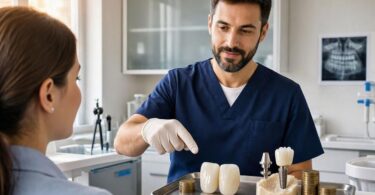
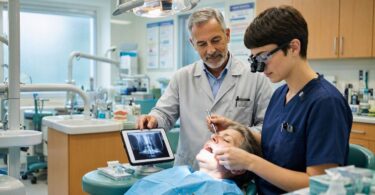
The Providers: Your orthodontic care will be provided by a resident. These are individuals who have already graduated from dental school and are now undergoing 2-3 years of advanced specialty training to become orthodontists. They are not beginners, but they are still learning.
-
The Supervision: A critical part of the model is that every step of your treatment is closely supervised by experienced, licensed orthodontic faculty members. These are often accomplished professionals who have years of experience and are leaders in the field.
-
The Cost Structure: Because the residents are students (they are being trained, not paid a full salary) and the clinic is part of an educational non-profit institution, the overhead is different from a private practice. The fees are set to cover materials and operational costs, not to generate profit or pay for a high-cost marketing campaign.
The Current Cost of Orthodontics at an Institution
It is impossible to give one universal price, as costs vary by state and institution. However, we can provide a realistic range based on typical programs across the United States.
-
Typical Cost Range: As of recent years, the cost for comprehensive orthodontic treatment (full braces or aligners) at a dental school can range from $2,500 to $5,500. This is for a typical case lasting about 18-24 months.
-
Comparison to Private Practice: The national average for braces in a private orthodontic office ranges from $5,000 to $8,000+. Therefore, the institutional savings can be significant, often $2,500 to $4,000 or more.
A Note on “Is Still”
If you are asking if this is “still” a good deal, the answer is yes. While institutional fees have increased over the years along with the cost of everything else, they have generally risen at a slower rate than private practice fees. The gap between institutional and private costs remains wide, making it a valuable option for budget-conscious families.
Comparative Table: Institutional vs. Private Orthodontics
| Factor | Dental School / Institution | Private Orthodontist |
|---|---|---|
| Average Total Cost | $2,500 – $5,500 | $5,000 – $8,500+ |
| Primary Provider | Orthodontic Resident (DDS/DMD) | Experienced Orthodontist |
| Supervision | Direct supervision by faculty specialists | None (works independently) |
| Appointment Length | 60-90 minutes (often longer) | 20-30 minutes |
| Appointment Frequency | Every 4-8 weeks | Every 4-8 weeks |
| Wait Time to Start | Could be weeks or months | Often immediate |
| Flexibility of Scheduling | Often limited to specific clinic hours | More flexible, often open 5+ days |
| Technology | Often has cutting-edge technology for teaching | Varies; may or may not have latest tech |
| Personalization | High attention, multiple eyes on your case | High attention from one doctor |
The Full Breakdown of What You Are Paying For
The quoted cost at a dental school typically includes almost everything. This is different from some private practices that may have hidden fees.
Typically Included:
-
Comprehensive examination and diagnosis.
-
All X-rays and records.
-
The orthodontic appliance (braces or aligners).
-
All adjustment visits.
-
The removal of the appliance.
-
One set of retainers.
Always Ask About:
-
Fees for missed or broken appointments.
-
Charges for broken brackets.
-
The cost of replacement retainers (you will need these over your lifetime).
-
Any additional fees not listed on the treatment plan.
Is the Time Trade-Off Worth the Savings?
This is the central question. The primary disadvantage of institutional orthodontics is time.
-
Longer Appointments: A private orthodontist is highly efficient. They might see you for 20 minutes for an adjustment. A resident is learning and must have their work checked. Your appointment might take 60-90 minutes.
-
Slower Progression: Because residents are methodical and must wait for faculty approval, the case may progress slightly slower. Your total treatment time might be a few months longer than it would be in private practice.
-
Scheduling Challenges: Clinic hours are often tied to the academic calendar. There may be breaks during holidays when the clinic is closed. You may also have to wait for an opening to be accepted as a new patient.
The Verdict: For many people, the savings of $2,500 to $4,000 or more are absolutely worth the extra time. If you have a flexible schedule and are patient, it is a phenomenal value. If your time is extremely limited and you need the fastest possible treatment, a private orthodontist is the better choice.
How to Find an Orthodontic Program Near You
If you are interested in this option, here is how to find a qualified institution.
-
Look for Accredited Dental Schools: The American Dental Association (ADA) accredits dental schools in the United States. Search for “ADA accredited dental schools” and look for the ones in your state.
-
Check for Advanced Specialty Programs: You want a school that has a postgraduate orthodontic residency program. Not all dental schools offer this. The school’s website will list its departments and programs.
-
Contact the Orthodontic Department: Call the school’s orthodontic department directly. Ask about their patient screening process, the current fees, and the estimated wait time for new patients.
-
Search for Hospital-Based Residency Programs: Some hospitals also host orthodontic residency programs. These offer a similar model of supervised, lower-cost care.
Conclusion
The cost of orthodontics at an institution is still significantly lower than at a private practice. The model of supervised resident care allows patients to access high-quality treatment for a fraction of the price. While the process requires a greater time commitment and more patience, the financial savings are substantial and make it a valuable option for many families. If you are willing to trade time for money, seeking orthodontic care at a dental school remains one of the smartest financial decisions you can make for your smile.
Frequently Asked Questions (FAQ)
1. Is the quality of work at a dental school as good as a private orthodontist?
Yes, the quality is generally very high. The work is performed by licensed dentists who are specializing in orthodontics, and every major step is checked by an experienced faculty orthodontist. The main difference is not quality, but speed and convenience.
2. Can I get Invisalign at a dental school?
Many orthodontic residency programs now train their residents on clear aligner therapy, including Invisalign. You can often get clear aligners at a dental school for a lower cost than in private practice. Ask the specific program about their aligner options.
3. Do I need a referral to be seen at a dental school for braces?
No. Most dental school orthodontic programs accept self-referrals. You can call them directly to inquire about becoming a patient.
4. Will my dental insurance apply to orthodontic treatment at a dental school?
Yes, in most cases. Dental schools are typically in-network with major insurance providers, or they will help you file a claim for your orthodontic benefit. Your lifetime maximum will still apply, but it will go further at a school with lower fees.
5. How long is the waiting list to get braces at a dental school?
It varies greatly. Some programs have a waiting list of several months, while others may be able to start your case within a few weeks. This depends on the time of year and the availability of residents. It is best to contact the program directly to ask about their current wait times.
Additional Resource
To find an accredited dental school with an orthodontic program near you, you can visit the American Dental Association’s (ADA) education page: www.ada.org