When you begin researching options for replacing missing teeth, you will quickly encounter a wide range of prices. One of the most common questions people ask is why permanent dentures come with such a significant price tag. It is a valid concern. You are not just buying a product; you are investing in your health, your ability to eat comfortably, and your confidence to smile. The cost reflects a complex process that involves advanced materials, specialized skills, and significant time.
This guide will break down every factor that contributes to the high cost of permanent dentures. We will explore the differences between types of dentures, the technology involved, and the expertise of the professionals who make them. By understanding the “why” behind the price, you can make a more informed decision about your dental future.
Why Do Permanent Dentures Cost So Much?
Understanding What “Permanent Dentures” Really Means
The term “permanent dentures” can be confusing because it refers to two different types of restorations. It is crucial to understand this distinction, as it dramatically affects the final cost.
Fixed Implant-Supported Dentures
These are often called “All-on-4,” “All-on-6,” or hybrid dentures. This option is the most premium and, therefore, the most expensive. The process involves surgically placing dental implants into your jawbone. These implants act as anchors. A custom-crafted, full-arch prosthetic is then permanently screwed onto these implants.
You cannot remove these teeth at home. Only a dentist can take them out for maintenance. They feel and function the most like natural teeth. The cost here is high because you are paying for a surgical procedure, the implants themselves, and the highly technical fabrication of the prosthesis.
High-Quality Removable Dentures with Implants
This is another type of permanent solution, often called an overdenture. Here, the dentist places a smaller number of implants (usually two to four) in your jaw. The denture is designed to snap securely onto these implants. While you can remove it for cleaning, it stays firmly in place while you eat and speak.
This option is more affordable than fixed dentures but still more costly than traditional dentures. The cost increase is due to the surgical placement of the implants and the specialized attachments built into the denture.
The high cost is not arbitrary. It is the sum of many parts that work together to provide a solution that is meant to last for decades.
The High Cost of Specialized Materials
The materials used in permanent dentures are not the same as those used in economy dental products. They are medical-grade, highly durable, and designed to mimic the look of natural oral tissues.
The Framework and Implants
The implants themselves are typically made of titanium or zirconia. Titanium is a biocompatible metal that fuses with human bone in a process called osseointegration. This process is what makes implants so stable. The manufacturing of these implants requires precision engineering. Even minor flaws can lead to implant failure.
The framework inside a fixed denture is often milled from a solid block of titanium or high-performance polymer. This provides a strong, lightweight base for the artificial teeth. Milling this framework requires expensive CAD/CAM (Computer-Aided Design and Computer-Aided Manufacturing) machinery.
The Artificial Teeth and Gums
The teeth on a high-end denture are not simple plastic. They are often made from high-quality acrylic resin or porcelain. Porcelain teeth are highly stain-resistant and have a lifelike translucency. Acrylic teeth are lighter and bond more easily to the denture base, but the premium versions are still very durable and aesthetically pleasing.
The pink “gum” portion of the denture is made from a special acrylic. Dentists and lab technicians use multiple layers of different shades of acrylic to create a natural-looking gumline. This artistry takes time and skill. The materials are far more expensive than the basic acrylics used in budget dentures.
The Expertise You Are Paying For
When you pay for permanent dentures, you are not just paying for objects. You are paying for the years of training and experience of the professionals involved.
The Prosthodontist or Oral Surgeon
Placing dental implants is a surgical procedure. It requires a dentist with advanced training, often a prosthodontist or an oral surgeon. They have spent years learning the anatomy of the jaw, nerves, and sinuses. This knowledge is critical to avoid serious complications during surgery. Their fees reflect this high level of skill and responsibility.
The Dental Laboratory Technician
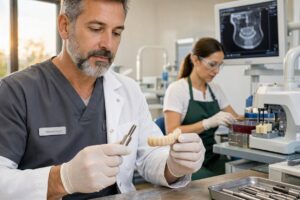
The creation of a high-quality denture is a collaborative effort. After the dentist takes impressions and measurements, the work is sent to a dental laboratory. A skilled technician then builds your custom restoration by hand. They carefully set each tooth to ensure a proper bite and a natural appearance. This is a blend of science and art. A master technician can charge a premium for their ability to create a restoration that looks great and functions perfectly.
The Dentist’s Time and Planning
Your dentist spends many hours on your case before you ever receive your final dentures. This includes:
-
The initial examination and consultation.
-
Taking X-rays and 3D scans (CBCT scans).
-
Developing a detailed treatment plan.
-
Performing the surgical placement of implants.
-
Multiple appointments for fittings and adjustments.
This is a significant investment of their time and resources. The fee for the denture covers the entire process, not just the final product.
The Role of Advanced Technology
Modern dentistry relies heavily on technology that significantly improves outcomes but also adds to the overhead costs for a dental practice.
3D Imaging (CBCT Scans)
Before placing implants, a dentist must know the exact location of your nerves, sinuses, and bone structure. They use a Cone Beam Computed Tomography (CBCT) scanner to create a 3D model of your jaw. This technology allows for precise, virtual planning of the surgery. The machines are very expensive for the dentist to purchase and maintain.
Digital Smile Design and CAD/CAM
Many practices use digital scanners to take impressions of your mouth, eliminating the need for messy traditional molds. The dentist can then use software to design your new smile. This digital file can be sent to a lab where a machine mills the framework or the entire denture. This digital workflow increases precision but requires a significant upfront investment in software and hardware.
The Complexity of the Process
Getting permanent dentures is a multi-step process that often takes several months and multiple appointments. This journey justifies the cost.
A Step-by-Step Breakdown of the Process
Here is a typical timeline for fixed implant-supported dentures:
-
Consultation and Planning: Examination, X-rays, and treatment planning.
-
Preparatory Procedures: Some patients may need bone grafting or tooth extractions before implant placement. This adds to the cost and healing time.
-
Implant Surgery: The implants are surgically placed into the jawbone.
-
Healing Period (Osseointegration): You will wait several months for the bone to fuse with the implants. You will wear a temporary denture during this time.
-
Abutment Placement: Once healed, small connectors called abutments are attached to the implants.
-
Final Impressions: New, precise impressions are taken to create your final denture.
-
Try-In Appointment: You will try a wax model of your denture to check the fit, bite, and appearance.
-
Final Placement: The completed permanent denture is attached to your implants.
Each of these steps requires the dentist’s time, use of facilities, and materials. This comprehensive process is a major reason for the overall cost.
Cost Comparison: Traditional vs. Permanent Dentures
To understand the value proposition, it helps to compare the costs directly. These are broad national averages and can vary significantly by location and complexity.
| Feature | Traditional Economy Dentures | Implant-Retained Overdenture | Fixed Implant Dentures (All-on-4) |
|---|---|---|---|
| Typical Cost Range (per arch) | $600 – $1,500 | $6,000 – $15,000+ | $20,000 – $30,000+ |
| Implant Placement | None | 2-4 implants | 4-6+ implants |
| Stability | Low (can slip, requires adhesive) | High (snaps into place) | Excellent (feels like natural teeth) |
| Bone Preservation | Poor (bone loss continues) | Good (implants stimulate bone) | Excellent (implants stimulate bone) |
| Longevity | 5-7 years (may need relines) | 10-15+ years (with care) | 20+ years (with care) |
| Impact on Eating | Difficulty with hard/sticky foods | Much better, can eat most foods | Can eat virtually anything |
| Maintenance | Remove nightly, special cleaning | Remove nightly, snap out to clean | Brush like natural teeth, regular checkups |
This table illustrates the clear link between cost, function, and longevity. You are paying more for a solution that is more stable, more comfortable, and better for your long-term health.
The Hidden Costs of Cheaper Options
Sometimes, focusing solely on the upfront price of permanent dentures can be misleading. It is important to consider the long-term costs of less expensive alternatives.
Frequent Relines and Replacements
Traditional dentures sit on the gums. As you lose bone in your jaw (which happens naturally after tooth loss), the fit of the denture changes. You will need to pay for a “reline” (adding material to the base) every few years. Eventually, you will need an entirely new set of dentures. Over a lifetime, these recurring costs can add up significantly.
Adhesives and Cleaning Products
The ongoing cost of denture adhesives, cleansers, and soaking solutions is an expense many people do not consider. While not massive, it is a continuous drain on your budget for the life of the denture.
Impact on Nutrition and Health
Poorly fitting dentures can make it difficult to eat a healthy diet rich in fruits, vegetables, and protein. This can lead to nutritional deficiencies and overall health problems, creating additional medical costs down the line.
Impact on Confidence
The fear of your dentures slipping while you are talking or laughing is a real psychological burden. The confidence that comes with a stable, permanent solution is difficult to quantify but is a significant benefit that many patients value highly.
Important Note: The prices mentioned in this article are national averages in the United States. Your actual cost will depend on your specific dental situation, the fees of your chosen dentist, and the materials you select. Always get a detailed, written treatment plan with all costs itemized before starting any procedure.
Are Permanent Dentures Worth the Investment?
For many people, the answer is a resounding yes. The decision is personal and depends on your financial situation, your oral health goals, and your quality-of-life expectations.
If you are tired of the discomfort and inconvenience of traditional dentures, the investment in a permanent solution can be life-changing. The ability to eat your favorite foods, speak clearly, and smile without worry has immense value.
However, it is not the right choice for everyone. Some people are not good candidates for dental implants due to insufficient bone density or certain medical conditions. For others, the cost may simply be prohibitive.
How to Make Permanent Dentures More Affordable
If you are considering this investment, here are some strategies to manage the cost:
-
Dental Insurance: While most medical insurance does not cover implants, some dental insurance plans offer a benefit for them, especially if tooth loss was due to an accident. Check your policy details carefully.
-
Dental Discount Plans: These plans are not insurance, but they provide discounts (often 15-50%) on services from a network of dentists for an annual fee.
-
Financing Options: Many dental offices offer in-house payment plans or work with third-party lenders like CareCredit or LendingClub. This allows you to break the large total cost into manageable monthly payments.
-
Dental Schools: University dental schools often offer treatment at a reduced cost. The work is performed by students under the direct supervision of experienced, licensed faculty. The process may take longer, but the savings can be significant.
-
Travel for Care (Dental Tourism): Some people choose to travel to other countries where the cost of dental care is lower. While this can save money, it is crucial to research the clinic and dentist thoroughly. Consider the costs and risks of travel and what you would do if you had a complication once you returned home.
The Art of the Smile
Beyond the function, a significant part of the cost of high-end permanent dentures comes down to aesthetics. A master technician crafts a smile that complements your face, age, and personality.
They consider factors like:
-
The shape and size of the teeth.
-
The shade and translucency.
-
The subtle imperfections that make teeth look natural.
-
The contour of the artificial gums.
This level of customization is a form of art. You are paying for a unique creation designed just for you, not a mass-produced product. This artistic skill ensures that your new smile looks authentic and enhances your overall appearance.
Conclusion
Permanent dentures are a significant investment for a reason. The cost reflects the use of advanced, biocompatible materials, the specialized skills of surgeons and lab technicians, the use of cutting-edge technology, and a lengthy, multi-step process. While the upfront price is high, it pays for a solution that offers superior stability, comfort, bone preservation, and confidence compared to traditional dentures. By understanding these factors, you can see the long-term value and make the best decision for your health and lifestyle.
Frequently Asked Questions (FAQ)
1. How long do permanent dentures actually last?
Fixed implant dentures can last 20 years or more with proper care. The prosthetic teeth themselves may need to be replaced every 10-15 years due to normal wear and tear. The implants, made of titanium, can last a lifetime if you maintain good oral hygiene and have regular checkups.
2. Is the surgical part of getting permanent dentures painful?
The surgery is performed under local anesthesia, and many dentists offer sedation options. You should not feel pain during the procedure. After the anesthesia wears off, you can expect some soreness, swelling, and discomfort, which is typically managed with prescribed or over-the-counter pain medication.
3. Can I get permanent dentures if I have severe bone loss?
Often, yes. If you do not have enough bone to support implants, your dentist may recommend a bone graft procedure. This involves adding bone material to your jaw to build it up. This will add to the cost and healing time but can make you a candidate for implants. Some techniques, like zygomatic implants, are also designed for patients with severe bone loss.
4. Will my dental insurance cover any of the cost?
Coverage varies greatly by plan. Some plans may cover a portion of the denture itself (as they would a traditional denture), but they rarely cover the full cost of the implants and surgery. It is essential to contact your insurance provider and ask for a detailed breakdown of your benefits for “major restorative” procedures.
5. What is the main difference between a snap-on denture and a fixed denture?
A snap-on denture (overdenture) is removable by you. It fits onto implants with special attachments and must be taken out at night for cleaning. A fixed denture (like All-on-4) is bolted into place and can only be removed by a dentist. It is cared for just like natural teeth, with brushing and flossing around the bridge.
Additional Resource:
For more information on dental implants and to understand the procedure in greater detail, you can visit the American Academy of Implant Dentistry (AAID) website at www.aaid.com.