The Achilles tendon, the largest and strongest tendon in the human body, plays a crucial role in walking, running, and jumping. However, it is also prone to injuries, particularly ruptures, which often require surgical intervention. Accurate CPT coding for Achilles tendon repair is essential for healthcare providers to ensure proper billing, reimbursement, and compliance.
This comprehensive guide explores the anatomy of the Achilles tendon, types of injuries, surgical techniques, CPT codes (such as 27650 and 27654), recovery protocols, and billing best practices. Whether you’re a surgeon, coder, physical therapist, or patient, this article provides valuable insights into Achilles tendon repair procedures and their documentation.
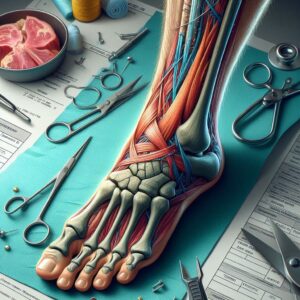
CPT Code for Achilles Tendon Repair
2. Anatomy of the Achilles Tendon
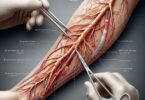
The Achilles tendon connects the gastrocnemius and soleus muscles (calf muscles) to the calcaneus (heel bone). It withstands tremendous force during physical activities, making it vulnerable to acute tears and degenerative conditions.
Key Features:
-
Length: ~15 cm in adults
-
Blood Supply: Limited, contributing to slower healing
-
Function: Facilitates plantar flexion (pointing the foot downward)
A rupture often occurs 2-6 cm above the heel, where blood flow is poorest.
3. Common Injuries Requiring Achilles Tendon Repair
A. Acute Achilles Tendon Rupture
-
Mechanism: Sudden force (e.g., sprinting, jumping)
-
Symptoms:
-
Loud “pop” sound
-
Severe pain and swelling
-
Inability to push off the foot
-
B. Chronic Tendinopathy (Tendon Degeneration)
-
Causes: Overuse, aging, poor blood supply
-
Symptoms:
-
Stiffness and thickening of the tendon
-
Pain during activity
-
C. Partial Tears vs. Complete Ruptures
| Feature | Partial Tear | Complete Rupture |
|---|---|---|
| Pain Level | Moderate | Severe |
| Function Loss | Partial | Complete |
| Treatment | Non-surgical | Often surgical |
4. Diagnostic Procedures
Before surgery, physicians use:
-
Physical Exam (Thompson Test): Squeezing the calf to check for foot movement.
-
Ultrasound: Dynamic imaging of tendon movement.
-
MRI: Best for assessing tear severity and planning surgery.
5. Surgical Techniques for Achilles Tendon Repair
A. Open Repair (CPT 27650)
-
Procedure: A single incision is made to suture the torn tendon.
-
Best For: Complete ruptures, high-demand athletes.
B. Percutaneous Repair (CPT 27654)
-
Procedure: Small incisions with minimal tissue disruption.
-
Advantages: Faster recovery, less scarring.
C. Augmentation with Grafts (CPT 27652)
-
Used When: Tendon quality is poor (chronic tears).
6. CPT Coding for Achilles Tendon Repair (Detailed Breakdown)
| CPT Code | Description | Typical Use Case |
|---|---|---|
| 27650 | Open Achilles tendon repair | Complete ruptures, direct suturing |
| 27654 | Percutaneous repair | Minimally invasive approach |
| 27652 | Repair with graft | Chronic/degenerative tears |
Modifiers:
-
-LT / -RT: Left or Right side
-
-59: Distinct procedural service
ICD-10 Codes:
-
S86.011A: Acute Achilles rupture, right leg
-
M76.60: Achilles tendinitis
7. Preoperative and Postoperative Care
Before Surgery:
-
Immobilization: Walking boot to prevent further damage.
-
NSAIDs: Reduce inflammation.
After Surgery:
-
Week 1-2: Cast/non-weight-bearing
-
Week 3-6: Controlled motion in a boot
-
Week 6+: Physical therapy for strength
8. Rehabilitation and Physical Therapy
Phases of Recovery:
-
Protection Phase (0-6 weeks): Limited movement, gentle stretches.
-
Strengthening Phase (6-12 weeks): Resistance exercises.
-
Return to Activity (4-6 months): Sport-specific training.
9. Potential Complications
-
Re-rupture (5-10% risk)
-
Infection (1-3%)
-
Stiffness and scar tissue
10. Insurance and Billing Considerations
-
Prior Authorization: Often required for surgery.
-
Documentation: Must support medical necessity.
11. FAQs
Q: What is the most common CPT code for Achilles repair?
A: CPT 27650 (Open repair) is most frequently used.
Q: How long does recovery take?
A: Full recovery takes 6-12 months, depending on rehab adherence.
Q: Can a ruptured Achilles heal without surgery?
A: Non-surgical treatment is possible but has a higher re-rupture rate.
12. Conclusion
Achilles tendon repair is a critical procedure requiring precise surgical techniques and accurate CPT coding (27650, 27654, 27652). Proper rehabilitation ensures optimal recovery, while correct billing prevents claim denials. Whether you’re a coder, surgeon, or patient, understanding this process enhances outcomes and efficiency.
13. Additional Resources
-
AAOS Guidelines: American Academy of Orthopaedic Surgeons
-
CPT Codebook: AMA’s latest edition
-
Rehabilitation Protocols: APTA Recommendations