Cystoscopy is a minimally invasive urological procedure that allows physicians to examine the bladder and urethra using a cystoscope—a thin, flexible, or rigid tube with a camera and light source. This procedure is essential for diagnosing and treating conditions such as urinary tract infections (UTIs), bladder tumors, kidney stones, and urinary obstructions.
Given its diagnostic and therapeutic applications, understanding the correct Current Procedural Terminology (CPT) codes for cystoscopy is crucial for accurate medical billing and reimbursement. This guide provides an in-depth analysis of CPT Code for Cystoscopy, billing best practices, and common challenges in coding.
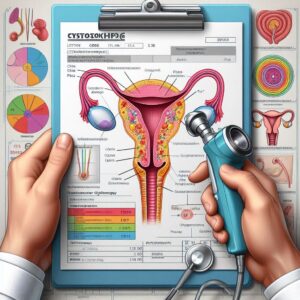
CPT Codes for Cystoscopy
2. What is a CPT Code?
CPT codes are standardized medical codes used to describe medical, surgical, and diagnostic services. Developed by the American Medical Association (AMA), these codes ensure uniformity in billing and insurance claims.
For cystoscopy, multiple CPT codes exist depending on the procedure’s complexity, whether it is diagnostic or therapeutic, and if additional interventions (e.g., biopsies, stent placements) are performed.
3. Common CPT Codes for Cystoscopy
Below is a table summarizing the most frequently used cystoscopy CPT codes:
| CPT Code | Description |
|---|---|
| 52000 | Diagnostic cystoscopy |
| 52001 | Cystoscopy with irrigation and instillation |
| 52204 | Cystoscopy with biopsy |
| 52310 | Cystoscopy with ureteral catheterization |
| 52320 | Cystoscopy with litholapaxy (bladder stone removal) |
| 52332 | Cystoscopy with ureteral stent placement |
4. Diagnostic vs. Therapeutic Cystoscopy
-
Diagnostic Cystoscopy (52000): Used to visualize the bladder and urethra without additional interventions.
-
Therapeutic Cystoscopy: Involves additional procedures such as biopsies, stone removal, or stent placement (e.g., 52332).
5. CPT Codes for Different Cystoscopy Procedures
52000 – Cystoscopy, Diagnostic
-
Used when the procedure is purely diagnostic.
-
No biopsies, stent placements, or other interventions are performed.
52001 – Cystoscopy with Irrigation and Instillation
-
Involves washing the bladder with a sterile solution (e.g., for interstitial cystitis).
52204 – Cystoscopy with Biopsy
-
Includes taking tissue samples from the bladder or urethra for pathology.
52310 – Cystoscopy with Ureteral Catheterization
-
Used when a catheter is placed into the ureter for imaging or drainage.
52320 – Cystoscopy with Litholapaxy (Bladder Stone Removal)
-
Involves breaking and removing bladder stones.
52332 – Cystoscopy with Ureteral Stent Placement
-
Used when a stent is placed to relieve ureteral obstruction.
6. Modifiers Used with Cystoscopy CPT Codes
Common modifiers include:
-
-RT / -LT (Right/Left side)
-
-59 (Distinct procedural service)
-
-51 (Multiple procedures)
7. Billing and Reimbursement Guidelines
-
Verify payer-specific policies (Medicare, Medicaid, private insurers).
-
Ensure proper documentation supports medical necessity.
-
Use the correct ICD-10 codes (e.g., N32.9 for bladder disorder).
8. Insurance Coverage and Denials
Common denial reasons:
-
Lack of medical necessity documentation.
-
Incorrect bundling of codes.
-
Missing modifiers.
9. Documentation Requirements
-
Indications for cystoscopy.
-
Findings and interventions performed.
-
Post-procedure instructions.
10. Common Mistakes in Cystoscopy Coding
-
Using 52000 when a biopsy was taken (should use 52204).
-
Missing modifiers for bilateral procedures.
-
Unbundling codes incorrectly.
11. Future Trends in Cystoscopy Coding
-
Increased use of robotic-assisted cystoscopy.
-
More precise coding for laser-based procedures.
12. Conclusion
Understanding cystoscopy CPT codes ensures accurate billing and reimbursement. Proper documentation, correct code selection, and awareness of payer policies are essential. Stay updated with AMA’s annual CPT changes to avoid claim denials.
13. FAQs
Q1. What is the difference between CPT 52000 and 52204?
-
52000 is for diagnostic cystoscopy, while 52204 includes a biopsy.
Q2. Can 52332 and 52000 be billed together?
-
No, 52332 includes the diagnostic portion, so 52000 should not be billed separately.
Q3. What modifier is used for bilateral cystoscopy?
-
-50 (Bilateral procedure) or -RT/-LT if performed on specific sides.