Electromyography (EMG) is a critical diagnostic tool used by neurologists, physiatrists, and other healthcare providers to assess muscle and nerve function. Properly coding EMG procedures ensures accurate billing and reimbursement. Current Procedural Terminology (CPT) codes for EMG are essential for medical billing, and understanding them helps avoid claim denials.
This guide provides an in-depth look at CPT Code for EMG, documentation requirements, and best practices for billing. Whether you’re a physician, coder, or healthcare administrator, this article will help you navigate EMG coding with confidence.
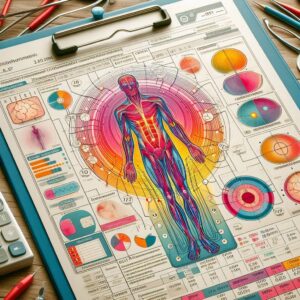
CPT Code for EMG
2. What Is an EMG (Electromyography)?
EMG is a diagnostic procedure that evaluates the electrical activity of muscles and nerves. It helps diagnose conditions such as:
-
Carpal tunnel syndrome
-
Peripheral neuropathy
-
Radiculopathy
-
Myopathies
-
ALS (Amyotrophic Lateral Sclerosis)
The test involves inserting fine needles into muscles (needle EMG) or applying electrodes to the skin (nerve conduction studies).
3. Types of EMG Tests
A. Nerve Conduction Studies (NCS) (CPT 95905-95913)
Measures how quickly electrical signals travel through nerves. Commonly used for diagnosing nerve compression or damage.
B. Needle EMG (CPT 95885-95887)
Involves inserting a needle electrode into muscles to assess electrical activity at rest and during contraction.
C. Surface EMG (Less Common for Diagnostics)
Uses skin electrodes to monitor muscle activity, often used in research or rehabilitation settings.
4. Common CPT Codes for EMG Procedures
Below are the most frequently used CPT codes for EMG:
Table: EMG CPT Codes and Descriptions
| CPT Code | Description | Typical Use Case |
|---|---|---|
| 95885 | Needle EMG, limited study (1-2 extremities) | Focal neuropathy evaluation |
| 95886 | Needle EMG, complete study (3+ extremities) | Generalized neuromuscular disorders |
| 95907 | Motor NCS, each nerve | Carpal tunnel assessment |
| 95908 | Sensory NCS, each nerve | Peripheral neuropathy |
| 95913 | H-reflex study | Radiculopathy or sciatica |
5. How to Properly Document EMG for Billing
Accurate documentation is crucial for reimbursement. Key elements include:
-
Medical necessity (why the test was ordered)
-
Number of muscles/nerves tested
-
Findings and interpretation
-
Physician’s signature
Failure to document properly can lead to claim denials.
6. Medicare and Insurance Coverage for EMG
Most insurers, including Medicare, cover EMG when medically necessary. However:
-
Medicare requires a referring physician’s order.
-
Some payers limit the number of NCS studies per session.
-
Prior authorization may be required.
7. Common EMG Billing Mistakes and How to Avoid Them
-
Unbundling (billing separately for tests that should be bundled)
-
Incorrect modifier use (e.g., modifier -26 for professional component)
-
Lack of medical necessity documentation
8. Diagnostic vs. Therapeutic EMG Codes
-
Diagnostic EMG (95885-95887, 95905-95913) is used for identifying conditions.
-
Therapeutic EMG (e.g., biofeedback) has different coding rules.
9. Future Trends in EMG Coding
-
AI-assisted EMG interpretation may impact coding.
-
Telemedicine EMG consultations could introduce new codes.
-
Value-based reimbursement models may change billing practices.
10. FAQs on EMG CPT Codes
Q1: How many NCS studies can be billed per session?
A: Typically, 1-2 motor and 1-2 sensory NCS per limb, but payer policies vary.
Q2: Can EMG and NCS be billed together?
A: Yes, but documentation must support medical necessity for both.
Q3: What modifiers are used with EMG codes?
A: Modifier -26 (professional component) or -TC (technical component) may apply.
11. Conclusion
Understanding EMG CPT codes ensures accurate billing and compliance. Proper documentation, awareness of payer policies, and staying updated on coding changes are essential. By following best practices, healthcare providers can maximize reimbursement while avoiding claim denials.