For decades, the Transurethral Resection of the Prostate (TURP) has stood as the undisputed “gold standard” surgical treatment for Benign Prostatic Hyperplasia (BPH). It is the benchmark against which all newer, minimally invasive therapies are measured. For medical coders, billers, urology practice managers, and healthcare administrators, understanding the intricacies of its designated Current Procedural Terminology (CPT®) code—52601—is not merely an academic exercise; it is a fundamental requirement for accurate reimbursement, regulatory compliance, and the financial health of a practice.
This article delves far beyond the simple five-digit number. We will embark on a comprehensive journey, beginning with the anatomy and pathophysiology that make the procedure necessary. We will walk through the surgery itself, visualizing the surgeon’s actions to understand what the code truly represents. We will then deconstruct CPT code 52601, examining its official description, its bundled components, and the critical modifiers that paint a more precise picture of the service rendered.
Furthermore, we will explore the complex landscape of medical necessity through ICD-10-CM coding, navigate the global surgical package, and analyze how TURP fits into the modern ecosystem of BPH treatments, each with its own coding nuances. Finally, we will address compliance, auditing risks, and the future of this cornerstone procedure. By the end of this guide, you will possess a masterful, holistic understanding of CPT code 52601, empowering you to code with confidence, precision, and expertise.
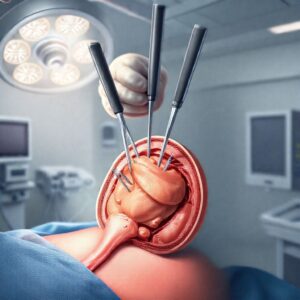
CPT Code for TURP
2. Understanding the Clinical Problem: Benign Prostatic Hyperplasia (BPH)
Anatomy of the Prostate Gland
The prostate is a walnut-sized gland that is part of the male reproductive system. It is situated just below the bladder and surrounds the urethra, the tube through which urine and semen exit the body. Its primary function is to produce fluid that nourishes and transports sperm. The gland is anatomically divided into zones, with the transition zone being the most clinically relevant to BPH. This central area, surrounding the urethra, is where benign overgrowth typically originates.
The Pathophysiology of BPH
BPH is a non-cancerous hyperplasia (increase in the number of cells) of the prostate’s glandular and stromal tissue. It is an almost inevitable age-related condition in men, with histological evidence found in approximately 50% of men by age 60 and 90% by age 85. The exact cause is multifactorial, involving hormonal changes—particularly the role of dihydrotestosterone (DHT)—as well as cellular signaling pathways and genetic factors.
As the transition zone enlarges, it compresses the prostatic urethra, much like squeezing a straw. This compression leads to increased resistance to the flow of urine from the bladder. The bladder muscle (detrusor) must then work harder to overcome this obstruction, leading to a cascade of lower urinary tract symptoms (LUTS) and potential long-term damage.
Symptoms and Diagnosis: From LUTS to Objective Measures
The clinical manifestation of BPH is known as Lower Urinary Tract Symptoms (LUTS), which are categorized as:
-
Obstructive/Voiding Symptoms: Weak stream, hesitancy (delay in starting urination), intermittency (stopping and starting), straining to void, feeling of incomplete emptying, and dribbling.
-
Irritative/Storage Symptoms: Frequency (urinating often), urgency (sudden strong need to urinate), and nocturia (waking up at night to urinate).
Diagnosis is not based on symptoms alone. A comprehensive workup includes:
-
Medical History: Including standardized questionnaires like the International Prostate Symptom Score (IPSS).
-
Digital Rectal Exam (DRE): To assess prostate size and consistency.
-
Urinalysis: To rule out infection or hematuria.
-
Prostate-Specific Antigen (PSA) Blood Test: To help rule out prostate cancer.
-
Uroflowmetry: To measure the speed and volume of urine flow.
-
Post-void Residual (PVR) Measurement: Using ultrasound to check how much urine is left in the bladder after voiding.
-
Cystoscopy: Allows direct visualization of the urethra and prostate to assess the degree of obstruction.
-
Transrectal Ultrasound (TRUS): Provides precise measurements of prostate volume.
It is only when LUTS become moderate to severe and significantly impact a patient’s quality of life—or when complications arise—that surgical intervention like TURP is considered.
3. The Evolution of Surgical Management for BPH
A Brief History of the TURP Procedure
The quest to relieve prostate obstruction has a long history. The first recorded suprapubic prostatectomy (removal through an incision in the abdomen) was performed in the late 19th century. The transurethral approach was a revolutionary advancement. Early innovators used crude punch instruments through the urethra. The true breakthrough came in the 1920s with the invention of the resectoscope by Maximilian Stern, later improved upon by Joseph McCarthy. This instrument combined a light, lens, and cutting loop, allowing for visual guidance and precise electrosurgical removal of tissue. The advent of rod-lens optics by Harold Hopkins in the 1960s dramatically improved visualization, solidifying TURP’s status as the preferred method for decades.
From Open Prostatectomy to Minimally Invasive Techniques
For very large prostates (>80-100 grams), open simple prostatectomy (CPT 55821) or its laparoscopic/robotic counterparts (CPT 55831, 55845) may still be necessary. However, the morbidity and longer recovery associated with open surgery drove the development of less invasive options. TURP dramatically reduced recovery times but was still associated with notable risks like bleeding and TUR syndrome.
This led to the “minimally invasive” era, with technologies like transurethral microwave therapy (TUMT) and transurethral needle ablation (TUNA) emerging in the 1990s. While less risky, they were often less effective. The most significant competitors to TURP emerged in the 2000s with the adoption of laser prostatectomy, including Holmium Laser Enucleation (HoLEP) and Photoselective Vaporization of the Prostate (PVP or “GreenLight” laser). More recently, implantable devices like UroLift and temporary stents like iTind have offered options for men seeking relief with minimal impact on sexual function. Despite this crowded field, TURP remains a critically important procedure due to its proven long-term efficacy and cost-effectiveness.
4. The TURP Procedure: A Step-by-Step Surgical Walkthrough
Understanding the physical actions of the surgeon is paramount to understanding the CPT code that describes it.
Preoperative Preparation and Patient Positioning
After informed consent is obtained, the patient is brought to the operating room. He is typically placed in the dorsal lithotomy position—on his back with legs raised and supported in stirrups. This provides optimal access to the urethral meatus. The genital and perineal area is cleansed and draped in a sterile fashion.
Anesthesia Considerations
TURP can be performed under spinal/epidural anesthesia or general anesthesia. Regional anesthesia is often preferred as it allows for early detection of TUR syndrome (through patient reporting of symptoms like confusion or nausea) and may reduce blood loss and thromboembolic risk.
Instrumentation: The Resectoscope and Its Components
The resectoscope is a complex, rigid metal instrument inserted through the penis and urethra. Its key components are:
-
Sheath: A hollow tube that allows for insertion and provides continuous inflow and outflow of irrigation fluid.
-
Obturator: Used to insert the sheath smoothly.
-
Working Element: Houses the mechanism for moving the cutting loop.
-
Cutting Loop: A thin tungsten wire that extends and retracts. It is connected to an electrosurgical generator.
-
Lens/Bridge: Allows for the attachment of the camera and light source for visualization and provides ports for irrigation.
The Surgical Technique: Resection, Coagulation, and Evacuation
-
Cystourethroscopy: The procedure begins with a diagnostic cystoscopy to inspect the urethra, prostate, and bladder. This is included in 52601.
-
Resection: Using the cutting loop and electrocautery, the surgeon systematically removes chips of obstructing prostatic tissue. The generator is set to a cutting current for resection. The tissue is removed in anatomical layers, typically starting at the bladder neck and working toward the verumontanum (an important anatomical landmark to avoid injuring the external urinary sphincter responsible for continence).
-
Coagulation: As blood vessels are encountered, the surgeon switches the generator to a coagulating current to seal them and control bleeding. The code’s descriptor explicitly includes “control of postoperative bleeding.”
-
Evacuation: The chips of tissue (TUR chips) are flushed into the bladder by the irrigation fluid. Periodically, the surgeon will remove the working element and use an Ellik evacuator or a similar suction device to remove the tissue chips from the bladder. These chips are sent to pathology for analysis to rule out occult prostate cancer.
Immediate Postoperative Care and Irrigation
At the conclusion of the resection, a urethral catheter is inserted. It is typically a 3-way Foley catheter to allow for continuous bladder irrigation (CBI), where fluid is run into the bladder to prevent clot formation and retention in the immediate postoperative period. The irrigation is usually continued until the urinary output appears clear or lightly pink-tinged.
5. Deep Dive into CPT Code 52601
CPT 52601: Transurethral electrosurgical resection of prostate, including control of postoperative bleeding, complete (vasectomy, meatotomy, cystourethroscopy, urethral calibration and/or dilation, and internal urethrotomy are included if performed)
This description is incredibly dense with information. Let’s break it down.
Code Description and Official Wording
-
“Transurethral electrosurgical resection of prostate”: This defines the core service: removing prostate tissue via an electrical current through the urethra.
-
“Including control of postoperative bleeding”: This is a critical component. Controlling bleeding is not a separate service; it is an integral part of the resection procedure. The surgeon spends a significant portion of the operative time achieving hemostasis.
-
“Complete”: This signifies that the code is valued for a full resection intended to remove all obstructive adenoma (the hyperplastic tissue) to create an adequate channel. It is not to be used for a partial or limited resection.
The “Included If Performed” Clause: Bundled Services
This is one of the most important concepts for coders. CPT guidelines state that certain services are “included” in a more comprehensive service and are not reported separately. Code 52601 explicitly bundles:
-
Vasectomy (55250): Rarely performed during TURP, but if done to prevent post-operative epididymitis, it is not separately billable.
-
Meatotomy (53020): Incision of the urethral meatus (opening). If a small incision is needed to facilitate instrument passage, it is included.
-
Cystourethroscopy (52000): The initial diagnostic inspection of the urethra and bladder is always performed and is never separately reported with 52601.
-
Urethral Calibration and/or Dilation (53600-53621): If the urethra is gently dilated to allow passage of the resectoscope, it is included.
-
Internal Uthrotomy (52275, 52276): Incision of a urethral stricture. If a stricture is encountered and cut to allow passage, it is included in 52601.
Coding Alert: Reporting any of these bundled codes with 52601 would be considered “unbundling” or “fragmentation,” a serious compliance error that can lead to audits, denials, and penalties.
6. Coding Scenarios and Modifier Application
Modifiers provide a way to indicate that a service was altered in some way without changing the definition of the CPT code itself.
Scenario 1: The Standard, Uncomplicated TURP
A 68-year-old male with severe LUTS and a 60-gram prostate undergoes a complete TURP without any unusual circumstances. The surgery takes 60 minutes, blood loss is minimal, and no bundled procedures beyond the standard cystoscopy were needed.
-
Coding: 52601
-
Rationale: This is the straightforward application of the code. No modifiers are necessary.
Scenario 2: TURP with Significant Co-morbidities (Modifier 22 – Increased Procedural Services)
A 75-year-old male with a very large, highly vascular 120-gram prostate and a history of bleeding diathesis undergoes TURP. The procedure takes 150 minutes (significantly longer than average) due to the enormous size and the need for meticulous, prolonged coagulation to control profuse bleeding.
-
Coding: 52601-22
-
Rationale: The work required was substantially greater than typically required. Append Modifier 22 and submit a separate cover letter and detailed operative report that highlights the extraordinary factors: the immense size of the gland, the increased vascularity, the patient’s co-morbidity, and the prolonged time spent on hemostasis. Do not automatically use 22 for large prostates; it must be supported by documentation of significantly increased work.
Scenario 3: Staged or Related Procedures (Modifier 58 – Staged or Related Procedure by Same Physician)
A patient undergoes a TURP (52601). Two weeks later, during a follow-up for persistent urinary retention, the same surgeon performs a cystoscopy and identifies a obstructing blood clot and tissue edema. They take the patient back to the OR for a clot evacuation and a second, more extensive resection of residual tissue.
-
Coding (for the second procedure): 52601-58
-
Rationale: Modifier 58 indicates a planned or staged procedure during the postoperative period of the first. This tells the payer that the second procedure is related to the first and is not a duplicate service. It often results in higher reimbursement than if it were bundled into the global period without the modifier.
Scenario 4: TURP Aborted Due to Anaphylaxis (Modifier 73/74 – Discontinued Procedure)
After anesthesia is administered and the patient is positioned, the surgeon inserts the cystoscope but before any resection can begin, the patient has a severe anaphylactic reaction to an antibiotic. The procedure is immediately terminated to stabilize the patient.
-
Coding: 52601-73 (if in an ASC or hospital outpatient setting) or 52601-74 (if the patient was already in the OR when the decision to cancel was made).
-
Rationale: These modifiers indicate a procedure that was discontinued after anesthesia or after the surgical preparation. Reimbursement is typically a percentage of the full fee based on the work already performed. The documentation must clearly state the reason for discontinuation.
7. Global Surgical Package: What’s Included in 52601?
CPT code 52601 is subject to a 90-day global surgical period. This means the reimbursement for 52601 is intended to cover not just the procedure itself, but a package of related services.
Included Services:
-
Preoperative: The night before the surgery visit related to the procedure.
-
Intraoperative: The TURP procedure itself.
-
Postoperative: All normal, related follow-up care provided by the surgeon for 90 days. This includes:
-
Management of the Foley catheter.
-
Management of Continuous Bladder Irrigation (CBI).
-
Standard postoperative office visits.
-
Management of typical postoperative issues like minor bleeding, urgency, or frequency.
-
Removal of the catheter.
-
Separately Billable Services (Examples):
-
Treatment of unrelated conditions: An E/M service for a new problem like hypertension.
-
Treatment of complications requiring a return to the OR: If the patient returns to the operating room for treatment of a complication (e.g., a large blood clot requiring cystoscopy and evacuation under anesthesia), this is typically billed separately with modifier 78.
-
Diagnostic tests: If a postoperative urinalysis or culture is performed, it may be billed separately.
-
Pathology services: The examination of the TURP chips by a pathologist (88305, 88307) is always billed separately by the pathologist.
8. ICD-10-CM Coding: Linking Medical Necessity to the Procedure
Accurate diagnosis coding is essential to establish medical necessity and avoid denials. The primary codes come from category N40 (Benign prostatic hyperplasia).
Table: Primary ICD-10-CM Codes for TURP (52601)
| ICD-10-CM Code | Code Description | Clinical Scenario |
|---|---|---|
| N40.0 | Benign prostatic hyperplasia without lower urinary tract symptoms | Asymptomatic enlargement, but perhaps with obstruction or retention. |
| N40.1 | Benign prostatic hyperplasia with lower urinary tract symptoms | The most common code for symptomatic BPH. |
| N40.2 | Benign prostatic hyperplasia with urinary retention | Use when the patient has acute or chronic retention. |
| N40.3 | Nodular prostate without lower urinary tract symptoms | Less common, for a nodular gland found on exam. |
| R33.9 | Retention of urine, unspecified | Can be used as a secondary code if retention is a major feature. |
| R31.0 | Gross hematuria | If hematuria was a primary indication for the surgery. |
| R31.29 | Other microscopic hematuria | For recurrent microscopic hematuria attributed to BPH. |
Coding Tip: Always sequence the code that best represents the reason for the surgery first. For example, if the patient was in retention, N40.2 would be the primary diagnosis. If they had severe LUTS and occasional hematuria, N40.1 would be primary, followed by R31.29 as a secondary code.
9. TURP Complications: Clinical and Coding Implications
While TURP is generally safe, understanding its complications is crucial for clinical and coding awareness.
-
TUR Syndrome: A rare but serious complication caused by the systemic absorption of large volumes of hypotonic irrigation fluid (like glycine or sorbitol). This can lead to hyponatremia, fluid overload, and neurological symptoms like confusion, nausea, and visual disturbances. It is treated with diuretics and hypertonic saline. Coding Implication: Management of TUR syndrome during the global period is included in the global package. If it requires a prolonged hospital stay or ICU care, the surgeon’s management of the complication is still bundled.
-
Bleeding: Expected postoperatively, but may require transfusion or a return to the OR for clot evacuation (which may be separately billable with modifier 78).
-
Urinary Incontinence: Usually temporary stress incontinence. Permanent incontinence is rare (<1%) and is usually due to damage to the external sphincter.
-
Erectile Dysfunction: Reported in 5-10% of cases, though the exact causal relationship is debated.
-
Retrograde Ejaculation: Very common (up to 90%) because the procedure often removes the bladder neck tissue responsible for directing ejaculate outward. This is often discussed preoperatively as an expected outcome rather than a complication.
-
Urethral Stricture or Bladder Neck Contracture: Can occur months later as a result of scar tissue formation. Treatment usually requires a separate procedure (e.g., urethral dilation, internal urethrotomy) which is billable separately after the 90-day global period has expired.
10. The Competitive Landscape: TURP vs. Other BPH Procedures and Their Codes
TURP is no longer the only option. Coders must be fluent in the codes for alternative procedures.
-
Laser Procedures:
-
Photoselective Vaporization of the Prostate (PVP – “GreenLight” Laser): CPT 52648 (laser vaporization). For a prostate >75g, use 52649 (laser enucleation, which is a different technique).
-
Holmium Laser Enucleation of the Prostate (HoLEP): CPT 52649. This code is shared for any laser enucleation, regardless of laser type. It involves bluntly enucleating the entire adenoma into the bladder and then morcellating it for removal. It is highly effective for very large prostates.
-
-
Transurethral Incision of the Prostate (TUIP – 52450): Used for smaller prostates (<30g). It involves making one or two cuts in the prostate and bladder neck to relieve pressure without removing tissue.
-
Simple Prostatectomy (55801, 55821, 55831): For very large glands, an open (55821), laparoscopic (55831), or robotic (55845) approach may be used to shell out the adenoma.
-
Minimally Invasive Therapies:
-
UroLift (52441): Implantation of permanent clips to retract the prostate lobes.
-
Rezūm (53854): Transurethral water vapor thermal therapy.
-
Temporary Implantable Nitinol Device (iTind – 53899): A temporary stent that remodels the prostate. Often reported with an unlisted code (53899).
-
11. Reimbursement Considerations: RVUs, Pricing, and Payer Policies
Reimbursement is based on Relative Value Units (RVUs), which quantify the physician work, practice expense, and malpractice cost of a service.
-
Work RVU (wRVU): Reflects the time, skill, effort, and stress required by the physician. TURP (52601) has a significant wRVU due to its technical complexity and intensity.
-
Practice Expense (PE) RVU: Covers overhead like equipment, supplies, and non-physician staff time.
-
Malpractice (MP) RVU: Covers the cost of professional liability insurance.
The total RVU is multiplied by a conversion factor (CF) (set by Medicare and other payers) to determine the payment amount. Payment can vary significantly between a Hospital Outpatient Department (HOPD) and an Ambulatory Surgery Center (ASC), with ASCs often receiving a lower facility fee.
12. Audit and Compliance: Protecting Your Practice
TURP is a high-value procedure and can be an audit target. Key documentation elements in the operative report must support 52601:
-
Preoperative and Postoperative Diagnoses: Must align with ICD-10 codes.
-
Indication for Surgery: Clear description of failed medical management or complications (retention, hematuria, renal insufficiency).
-
Description of Procedure: Must detail a “complete” resection.
-
Mention of systematic resection (e.g., “resection carried from bladder neck to verumontanum”).
-
Description of tissue chips being sent to pathology.
-
Documentation of hemostasis being achieved.
-
Note of a catheter being placed at the end.
-
-
Bundled Services: If a meatotomy or dilation was necessary, it should be documented, but the coder must know it is included.
13. The Future of TURP and BPH Coding
While laser technologies are increasingly popular, TURP remains a vital procedure due to its cost-effectiveness and the long-term data supporting its outcomes. Coding will continue to evolve. The AMA’s CPT panel is constantly reviewing new technologies, often creating specific codes for them (as seen with UroLift and Rezūm) to provide clarity and appropriate valuation. The future will likely see a more nuanced approach to BPH management, with the choice of procedure—and its corresponding code—tailored to individual patient anatomy, symptoms, and preferences.
14. Conclusion
CPT code 52601 represents a complex, bundled surgical package with a rich history as the gold standard for treating obstructive BPH. Mastery of this code requires a deep understanding of the clinical procedure, strict adherence to bundling rules, precise application of modifiers, and meticulous attention to documentation that supports medical necessity. While new technologies offer alternative codes, the fundamental principles of accurate and compliant coding for surgical procedures, as exemplified by 52601, remain constant and critically important for every healthcare professional involved in the revenue cycle.
15. Frequently Asked Questions (FAQs)
Q1: Can I bill for a cystoscopy (52000) with 52601 if I did a full inspection before starting the resection?
A: No. CPT code 52601 explicitly includes cystourethroscopy. Reporting 52000 with 52601 is considered unbundling and will almost certainly lead to a denial or audit.
Q2: A patient has a TURP and then comes back to the office 4 weeks later with a urethral stricture. Can I bill for a dilation?
A: It depends on the timing and cause. If the stricture is a direct result of the TURP and presents within the 90-day global period, its treatment is generally bundled. If it occurs and is treated after the global period has ended, or if it was a pre-existing condition unrelated to the surgery, it may be separately billable with appropriate documentation.
Q3: What is the difference between 52601 and 52648?
A: 52601 describes a traditional TURP using electrocautery (a wire loop). 52648 describes a laser procedure (typically the GreenLight laser) that vaporizes the tissue instead of cutting it. They are distinct CPT codes based on the technology used.
Q4: How do I code a TURP that was planned but only a very limited resection was possible due to unexpected patient instability?
A: If the procedure was truly limited and not “complete” as defined by the code, you should not report 52601. In rare cases, an unlisted procedure code (53899) may be considered with extensive documentation. However, the standard of care is to complete the procedure or stage it, so this scenario is uncommon. Modifier 52 (Reduced Services) is generally not appropriate for 52601.
16. Additional Resources
-
The American Medical Association (AMA): For the official CPT® code book and guidelines. https://www.ama-assn.org/
-
The American Urological Association (AUA): For clinical guidelines on the management of BPH. https://www.auanet.org/
-
Centers for Medicare & Medicaid Services (CMS): For National Correct Coding Initiative (NCCI) edits, Medicare coverage policies, and fee schedules. https://www.cms.gov/
-
The Society of Urologic Nurses and Associates (SUNA): For patient education and nursing perspectives. https://www.suna.org/
Date: September 1, 2025
Author: The Medical Coding Specialist Team
Disclaimer: This article is intended for informational and educational purposes only. It is not a substitute for professional medical coding, billing, or legal advice. CPT® codes are copyrighted by the American Medical Association (AMA). Medical coders must purchase a license from the AMA and use the most current CPT® code book for accurate coding. Always consult the latest official CPT® guidelines, payer-specific policies, and relevant medical documentation before submitting claims.