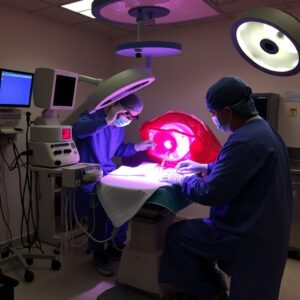
Hysteroscopy is a minimally invasive gynecological procedure that allows physicians to examine the inside of the uterus using a hysteroscope—a thin, lighted tube inserted through the vagina and cervix. This procedure is crucial for diagnosing and treating various uterine conditions, including abnormal bleeding, polyps, fibroids, and infertility issues.
Accurate Current Procedural Terminology (CPT) coding is essential for proper billing and reimbursement. Each hysteroscopy procedure has a specific CPT code assigned by the American Medical Association (AMA), ensuring standardized reporting for insurance claims.
This guide provides an in-depth analysis of CPT Code Hysteroscopy, documentation requirements, reimbursement trends, and procedural details to help healthcare providers, coders, and billing specialists optimize their practice.
CPT Code Hysteroscopy
2. Types of Hysteroscopy Procedures
Diagnostic Hysteroscopy (CPT 58555)
A diagnostic hysteroscopy is performed to visualize the uterine cavity and identify abnormalities such as:
-
Uterine polyps
-
Submucosal fibroids
-
Adhesions (Asherman’s syndrome)
-
Congenital uterine anomalies
Key Features:
-
No surgical intervention
-
Often performed in-office with local anesthesia
-
May include saline infusion (sonohysterography)
Operative Hysteroscopy
Operative hysteroscopy involves surgical treatment of identified pathologies. Common procedures include:
| CPT Code | Procedure | Description |
|---|---|---|
| 58558 | Hysteroscopy with biopsy | Removal of tissue samples for pathology |
| 58559 | Hysteroscopy with polypectomy | Removal of uterine polyps |
| 58561 | Hysteroscopy with myomectomy | Excision of submucosal fibroids |
| 58563 | Hysteroscopy with endometrial ablation | Destruction of endometrial lining for heavy bleeding |
3. Common CPT Codes for Hysteroscopy
CPT 58555 – Diagnostic Hysteroscopy
-
Description: Visual examination of the uterine cavity without surgical intervention.
-
Documentation Requirements:
-
Indication (e.g., abnormal uterine bleeding, infertility)
-
Findings (normal/abnormal)
-
Use of imaging if applicable
-
CPT 58558 – Hysteroscopy with Biopsy
-
When to Use: When a tissue sample is taken for pathological examination.
-
Coding Tip: Do not report 58555 separately if performed on the same day.
CPT 58559 – Hysteroscopy with Polypectomy
-
Indications: Symptomatic polyps causing bleeding or infertility.
-
Key Consideration: If polyps are removed via mechanical or electrosurgical methods, this code applies.
4. Coding Guidelines and Documentation Requirements
-
Modifiers: Use -RT/-LT if applicable (rare in hysteroscopy).
-
Bundling Rules: Some procedures (e.g., dilation and curettage) may be bundled.
-
Global Period: Most hysteroscopy codes have a 0- or 10-day global period.
5. Reimbursement and Insurance Considerations
-
Medicare Rates: Vary by region (e.g., $450–$1,200 for 58561).
-
Private Payers: Prior authorization often required for operative hysteroscopy.
-
Denial Prevention: Ensure medical necessity is well-documented.
6. Pre-Procedure and Post-Procedure Care
-
Pre-Op: Pregnancy test, antibiotic prophylaxis (if needed).
-
Post-Op: Monitor for infection, perforation, or bleeding.
7. Risks and Complications
-
Common Risks:
-
Uterine perforation (1–2%)
-
Infection (<1%)
-
Fluid overload (if using distension media)
-
8. Advances in Hysteroscopic Technology
-
Mini-Hysteroscopes: Reduce pain in office-based procedures.
-
Virtual Hysteroscopy: 3D imaging for better diagnostics.
9. FAQs on CPT Code Hysteroscopy
Q1: Can CPT 58555 and 58559 be billed together?
A: No, 58559 includes diagnostic hysteroscopy.
Q2: What is the recovery time after hysteroscopy?
A: Most patients resume normal activities in 1–2 days.
Q3: Does insurance cover diagnostic hysteroscopy?
A: Yes, if medically necessary (e.g., abnormal bleeding).
10. Conclusion
Hysteroscopy is a vital tool in gynecology, with precise CPT coding ensuring proper reimbursement. Understanding codes like 58555, 58558, and 58561 helps streamline billing. Always document medical necessity and stay updated on coding changes to avoid denials.