Neck pain. It’s a universal human experience, a dull ache that turns the head, a sharp stab that radiates down the arm, a persistent stiffness that clouds the day. For patients, it’s a physical complaint. For clinicians, it’s a diagnostic puzzle. But for medical coders, billers, and practice managers, neck pain is a complex language of numbers and narratives—a story told through CPT codes.
The management of neck pain spans a vast clinical spectrum, from a simple initial consultation with a primary care physician to complex, image-guided spinal surgery. Each step along this pathway is represented by a specific Current Procedural Terminology (CPT®) code, which serves as the universal medical language for describing procedures and services to payers. Accurate coding is not merely an administrative task; it is the critical bridge between patient care and practice viability. It ensures that healthcare providers are appropriately reimbursed for their expertise, time, and resources, while simultaneously maintaining compliance with stringent federal and insurance regulations.
This article aims to be the definitive guide to navigating this intricate landscape. We will dissect the entire journey of a neck pain patient through the lens of CPT coding, providing a detailed, professional exploration of Evaluation and Management, diagnostic imaging, therapeutic interventions, and surgical procedures. Our goal is to equip you with the knowledge to accurately and confidently translate clinical work into clean, compliant claims.
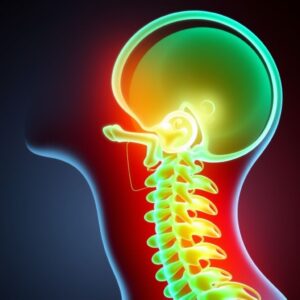
CPT Codes for Neck Pain
2. Understanding the Foundation: What Are CPT Codes?
Before diving into the specifics of neck pain, it’s essential to understand the system itself.
The American Medical Association (AMA) and Copyright
The CPT code set is developed, maintained, and copyrighted by the American Medical Association (AMA). It is a proprietary set of codes, descriptions, and guidelines that is updated annually to reflect advancements in medical technology and practice. Its use is mandated by the Centers for Medicare & Medicaid Services (CMS) for reporting services under Medicare and Medicaid, and it is universally adopted by private insurers across the United States. This means healthcare organizations must purchase a license from the AMA to use the CPT code set, underscoring its legal and operational importance.
The Importance of Accurate Medical Coding
Accurate coding is the lifeblood of a healthcare practice. Its functions are multifaceted:
-
Reimbursement: Codes tell the insurance company what was done. Accurate coding ensures the service is matched to the correct payment rate.
-
Communication: CPT codes provide a standardized way to communicate procedures across different providers, hospitals, and insurance companies.
-
Analytics and Research: Aggregated coded data is used for public health tracking, research on treatment outcomes, and practice management analytics.
-
Compliance: Incorrect coding, whether due to error or intent, can lead to claim denials, audits, fines, and even allegations of fraud.
ICD-10-CM vs. CPT®: The Diagnosis vs. The Procedure
It is crucial to distinguish between two coding systems:
-
ICD-10-CM (International Classification of Diseases, 10th Revision, Clinical Modification): These codes describe the patient’s diagnosis or reason for the visit (e.g., M54.2 – Cervicalgia, M50.220 – Other cervical disc displacement, mid-cervical region). They answer the “why.”
-
CPT® (Current Procedural Terminology): These codes describe the procedures, services, or treatments performed (e.g., 99213 – Office visit, 72141 – MRI cervical spine without contrast). They answer the “what.”
A claim form must correctly pair a diagnosis code (ICD-10-CM) with a procedure code (CPT®) to establish medical necessity. Performing a cervical MRI (CPT® 72141) for a patient with a diagnosis of a headache (ICD-10-CM R51) may be denied without a clear clinical link documented in the patient’s record.
3. The Initial Encounter: Evaluation and Management (E/M) Codes for Neck Pain
The journey almost always begins with an Evaluation and Management (E/M) service. These codes cover the cognitive labor of the provider: taking a history, performing an examination, and formulating a diagnostic and treatment plan.
The Revolution of the 2021 E/M Guidelines
In 2021, CMS and the AMA implemented sweeping changes to the E/M codes for office and outpatient visits (99202-99215), moving away from the traditional framework based on history, exam, and medical decision making (MDM). The new guidelines simplified code selection.
Code Selection for Office/Outpatient Visits: Medical Decision Making (MDM) vs. Time
For established patients, code selection is now based solely on either the level of Medical Decision Making (MDM) or Total Time spent on the patient’s care on the day of the encounter. For new patients, both MDM and Time can be considered, but the code choice must be based on the met criteria for one of the two.
-
Medical Decision Making (MDM): This is based on three elements:
-
Number and Complexity of Problems Addressed: Straightforward neck pain (low) vs. neck pain with neurological deficits and comorbid diabetes (moderate/high).
-
Amount and/or Complexity of Data to be Reviewed and Analyzed: Reviewing old records (low) vs. independently reviewing an MRI image and ordering and reviewing complex EMG/NCS results (high).
-
Risk of Complications and/or Morbidity or Mortality of Patient Management: Recommending over-the-counter ibuprofen (low) vs. deciding to proceed with a cervical epidural steroid injection or discussing surgical options (high).
-
-
Time: Time now includes the total time the provider spends on the patient’s care on the date of the encounter. This includes:
-
Preparing to see the patient (reviewing records)
-
Obtaining and/or reviewing separately obtained history
-
Performing a medically appropriate exam
-
Counseling and educating the patient/family/caregiver
-
Ordering medications, tests, or procedures
-
Referring and communicating with other health care professionals
-
Documenting clinical information in the EHR
-
Independently interpreting results (not simply reviewing) and communicating results to the patient
-
E/M Code Selection for Office/Outpatient Visits (99202-99215)
| CPT Code | Patient Type | Level of MDM | OR | Total Time (Minutes) |
|---|---|---|---|---|
| 99202 | New | Straightforward | 15-29 | |
| 99203 | New | Low | 30-44 | |
| 99204 | New | Moderate | 45-59 | |
| 99205 | New | High | 60-74 | |
| 99212 | Established | Straightforward | 10-19 | |
| 99213 | Established | Low | 20-29 | |
| 99214 | Established | Moderate | 30-39 | |
| 99215 | Established | High | 40-54 |
Note: Time is not the only factor for new patients; the MDM level must also be met. This table summarizes the key criteria.
New Patient vs. Established Patient: A Critical Distinction
A new patient is one who has not received any professional services from the provider (or another provider of the exact same specialty and subspecialty in the same group) within the past three years. An established patient has. This distinction is critical as the requirements and reimbursement for new patient codes (99202-99205) are different from established patient codes (99212-99215).
Hospital and Consultation Services
Neck pain may also be addressed in other settings, requiring different E/M code families:
-
Hospital Inpatient/Observation Care (99221-99233, 99238-99239): For patients admitted to the hospital for severe neck pain, post-operative care, or trauma.
-
Consultations (99242-99245, 99252-99255): Used when a provider is asked by another provider for their expert opinion on a patient’s neck pain. Strict criteria must be met, including a written request and report sent back to the referring provider. Note: Many payers have specific rules about consultation codes.
4. Visualizing the Problem: Diagnostic Imaging Codes
When the history and physical exam suggest an underlying structural issue, diagnostic imaging is the next step. CPT codes for imaging are highly specific regarding the anatomical area, technique, and use of contrast.
Plain Film Radiography (X-rays)
Often the first-line imaging study, used to assess bone alignment, fractures, arthritis, and disc space height.
-
72040: Radiologic examination, spine, cervical; 2 or 3 views
-
72050: … 4 or 5 views
-
72052: … 6 or more views
Computed Tomography (CT Scan)
Provides detailed cross-sectional images of bone. Excellent for evaluating fractures, spinal stenosis, and post-operative changes.
-
72125: Computed tomography, cervical spine; without contrast material
-
72126: … with contrast material
-
72127: … without contrast material, followed by contrast material(s) and further sections
Magnetic Resonance Imaging (MRI)
The gold standard for evaluating soft tissues: intervertebral discs, spinal cord, nerve roots, ligaments, and for detecting infection or tumors.
-
72141: Magnetic resonance (e.g., proton) imaging, spinal canal and contents, cervical; without contrast material
-
72142: … with contrast material(s)
-
72156: … without contrast material, followed by contrast material(s) and further sequences
Myelography and CT Myelogram
An invasive procedure where contrast dye is injected into the spinal canal followed by X-rays (myelography) or a CT scan (CT myelogram). It provides a detailed outline of the spinal cord and nerve roots, often used when MRI is contraindicated or to provide dynamic information.
-
72240: Myelography, cervical, radiological supervision and interpretation
-
72125 + 72240: CT Cervical spine without contrast would be billed with the myelography supervision and interpretation code if performed together.
Discography
A provocative diagnostic procedure intended to reproduce a patient’s pain by pressurizing a disc. It is controversial and used selectively, typically in a pre-surgical workup.
-
62290: Injection procedure for discography, each level; cervical
-
72285: Discography, cervical, radiological supervision and interpretation
5. Beyond the Image: Electrodiagnostic and Nerve Testing
When neck pain is accompanied by radiating arm pain, numbness, or weakness, electrodiagnostic testing helps determine if a nerve is being pinched and the severity of the injury.
Nerve Conduction Studies (NCS) and Electromyography (EMG)
These tests are often performed together.
-
NCS (95907-95913): Measures the speed and strength of electrical signals as they travel through a nerve. Codes are based on the number of studies performed.
-
EMG (95885-95886): Involves inserting a fine needle electrode into a muscle to record its electrical activity at rest and during contraction. Codes are for the extremities (95885-95886) and are based on the extremity studied.
Somatosensory Evoked Potentials (SSEPs)
Measures the electrical signals in the brain and spinal cord in response to stimulation of nerves in the arms or legs. Used to assess nerve pathway integrity, often during surgery.
-
95925: Somatosensory evoked potential monitoring, upper and/or lower limbs
6. The Hands-On Approach: Therapeutic and Manual Medicine Codes
Non-invasive therapies are a cornerstone of neck pain management.
Physical Therapy and Occupational Therapy Evaluation & Re-evaluation
-
97161-97163: Physical therapy evaluation (low, moderate, high complexity)
-
97165-97167: Occupational therapy evaluation
-
97164: PT re-evaluation
-
97168: OT re-evaluation
Therapeutic Procedures
These are time-based codes (reported in 15-minute units).
-
97110: Therapeutic exercises
-
97112: Neuromuscular reeducation
-
97140: Manual therapy techniques (e.g., mobilization, manipulation, manual lymphatic drainage)
-
97010: Hot or cold pack therapy
Chiropractic Manipulative Treatment (CMT)
Chiropractors use a specific set of codes for spinal manipulation.
-
98940: CMT; spinal, 1-2 regions
-
98941: CMT; spinal, 3-4 regions
-
98942: CMT; spinal, 5 regions
The cervical spine is considered one region.
Massage Therapy
-
97124: Massage therapy, 15 minutes
7. Interventional Pain Management: Injections, Blocks, and Ablations
When conservative care fails, image-guided injections can serve both diagnostic and therapeutic purposes.
Epidural Steroid Injections: Cervical Transforminal vs. Interlaminar
These injections deliver corticosteroid medication near the inflamed nerves to reduce pain.
-
Transforaminal Epidural (TFESI): The needle is directed into the opening (foramen) where the nerve root exits. This is a more targeted approach.
-
64479: Injection(s), anesthetic agent and/or steroid, transforaminal epidural; cervical or thoracic, single level
-
64480: … each additional level
-
-
Interlaminar Epidural (ILESI): The needle is placed between the laminae of the vertebrae into the epidural space (the same space used for epidural anesthesia during childbirth).
-
62320: Injection(s), of diagnostic or therapeutic substance(s) (e.g., anesthetic, antispasmodic, opioid, steroid, other solution), not including neurolytic substances, including needle or catheter placement, interlaminar epidural or subarachnoid, cervical or thoracic
-
Facet Joint Interventions: Medial Branch Blocks, Intra-articular Injections, and Radiofrequency Ablation
The facet joints are small joints in the back of the spine that can be a source of pain. The medial branches are the nerves that supply these joints.
-
Diagnostic Medial Branch Block (MBB): Anesthetic is injected to block the nerve. If pain is relieved, it confirms the facet joint as the pain source.
-
64490: Injection(s), diagnostic or therapeutic agent, paravertebral facet (zygapophyseal) joint (or nerves innervating that joint) with image guidance (fluoroscopy or CT), cervical or thoracic; single level
-
64491: … second level
-
64492: … third and any additional level(s)
-
-
Radiofrequency Ablation (RFA): If a medial branch block is successful, the nerve can be ablated (burned) with a heated needle to provide longer-term pain relief (typically 6-18 months).
-
64633: Destruction by neurolytic agent, paravertebral facet joint nerve(s), with image guidance (fluoroscopy or CT); cervical or thoracic, single level
-
64634: … second level
-
64635: … third and any additional level(s)
-
Trigger Point Injections
-
20552: Injection(s); single or multiple trigger point(s), 1 or 2 muscle(s)
-
20553: … single or multiple trigger point(s), 3 or more muscles
Codes for Fluoroscopic and Ultrasound Guidance
Most interventional procedures require image guidance, which is billed separately.
-
77003: Fluoroscopic guidance and localization of needle or catheter tip for spine or paraspinous diagnostic or therapeutic injection procedures (epidural, transforaminal epidural, subarachnoid, paravertebral facet joint, paravertebral facet joint nerve, or sacroiliac joint), including neurolytic agent destruction
-
76942: Ultrasonic guidance for needle placement (e.g., biopsy, aspiration, injection, localization device), imaging supervision and interpretation
8. The Surgical Solution: Codes for Operative Procedures
Surgery is typically reserved for cases with severe neurological deficits, structural instability, or intractable pain that fails to respond to extensive conservative and interventional care.
Spinal Decompression: Laminectomy, Laminotomy, Foraminotomy
These procedures aim to relieve pressure on the spinal cord or nerve roots by removing bone or disc material.
-
63001: Laminectomy with exploration and/or decompression of spinal cord and/or nerve root(s) (e.g., spinal or lateral recess stenosis), cervical; without facetectomy or foraminotomy
-
63015: … with facetectomy and/or foraminotomy (e.g., for spinal stenosis), single vertebral segment
-
63020: … with facetectomy and/or foraminotomy, single vertebral segment; each additional vertebral segment
-
63045: Laminectomy, facetectomy and foraminotomy (unilateral or bilateral with decompression of spinal cord, cauda equina and/or nerve root[s] [e.g., spinal or lateral recess stenosis]), single vertebral segment; cervical
Spinal Fusion: Arthrodesis
Fusion involves joining two or more vertebrae together with bone graft and hardware (like plates and screws) to eliminate motion at a painful segment.
-
Anterior Approach (Most Common for Cervical):
-
22551: Arthrodesis, anterior interbody technique, including minimal discectomy to prepare interspace (other than for decompression); cervical below C2
-
22552: … cervical above C2
-
-
Posterior Approach:
-
22600: Arthrodesis, posterior or posterolateral technique, single level; cervical below C2 segment
-
-
Instrumentation: Codes for the hardware (e.g., plates, screws, cages) are reported separately (e.g., 22845, 22846, 22851).
Disc Arthroplasty (Artificial Disc Replacement)
An alternative to fusion, this motion-preserving procedure involves replacing a diseased disc with an artificial device.
-
22856: Total disc arthroplasty (artificial disc), anterior approach, including discectomy to prepare interspace (other than for decompression); single interspace, cervical
-
22858: … second level, cervical
9. Navigating the Maze: Bundling, Modifiers, and Payer Policies
Coding is not just about picking a code; it’s about understanding how codes interact with each other and with payer rules.
National Correct Coding Initiative (NCCI) Edits
The NCCI, maintained by CMS, creates pairs of codes (called edits) that should not be billed together because they are considered mutually inclusive, or because one is a component of the other. For example, the work of a surgical procedure often includes a certain amount of pre- and post-operative E/M service. Billing them separately may trigger an edit and result in a denial unless a modifier is used to justify the separate service.
Common Modifiers
Modifiers are two-character suffixes (-25, -59, etc.) added to a CPT code to indicate that a service or procedure was altered in some way without changing the definition of the code.
-
-25: Significant, Separately Identifiable Evaluation and Management Service by the Same Physician on the Same Day of the Procedure or Other Service. This is critical. If a provider sees a patient for neck pain (an E/M service) and also decides to perform a procedure (e.g., a trigger point injection) on the same day, the E/M code must be appended with modifier -25 to indicate it was a distinct service.
-
-59: Distinct Procedural Service. Used to indicate that a procedure or service was distinct or independent from other services performed on the same day. For example, an injection at two separate, unrelated sites. (Note: More specific modifiers like -XE, -XS, -XP, -XU are now often preferred over -59).
-
-51: Multiple Procedures. Indicates that multiple procedures were performed during the same surgical session. The primary procedure is paid at 100%, and subsequent procedures are often paid at a reduced rate.
-
-50: Bilateral Procedure. Used when a procedure is performed on both sides of the body.
The Critical Role of Documentation
“The rule is: if it wasn’t documented, it wasn’t done.” Coders can only code from the provider’s documentation in the medical record. Detailed, legible, and timely documentation is the only defense in an audit. It must support the level of E/M service billed and clearly describe the medical necessity, technique, and findings of any procedure.
10. The Future of Coding: Trends and Technological Advancements
The world of medical coding is dynamic. Trends include:
-
Increased Specificity: Codes are becoming more detailed to reflect precision medicine (e.g., genetic testing, specific biologic injections).
-
Artificial Intelligence (AI): AI and natural language processing (NLP) are being integrated into EHRs to assist with code suggestion, documentation improvement, and identifying potential errors before claims are submitted.
-
Telehealth Expansion: The COVID-19 pandemic permanently expanded the use of telehealth. Codes for telehealth services (e.g., modifier -95) and their associated rules are now a permanent part of the coding landscape and are frequently updated.
-
Value-Based Care: The shift from fee-for-service to value-based care (paying for outcomes rather than volume of services) is changing the reimbursement model, though accurate procedural coding remains fundamental.
11. Conclusion: Mastering the Language of Neck Pain Care
Navigating CPT codes for neck pain requires a deep understanding of clinical medicine, precise coding guidelines, and evolving payer policies. Accurate coding begins with thorough documentation that justifies medical necessity and details every service rendered. By mastering this complex language, healthcare professionals ensure that quality patient care is sustainably supported through appropriate reimbursement, maintaining the integrity and financial health of medical practices.
12. Frequently Asked Questions (FAQs)
Q1: Can I bill an office visit (E/M code) and a procedure code (like an injection) on the same day for the same patient?
A: Yes, but only if the E/M service is significant and separately identifiable from the procedure. This must be clearly documented in the note, and modifier -25 must be appended to the E/M code. The note should show that the decision to perform the injection was made during the visit (e.g., “After discussing the risks and benefits, the patient elected to proceed with a cervical epidural steroid injection today.”).
Q2: What is the difference between CPT code 64479 and 62320?
A: 64479 is for a transforaminal epidural injection, where the medication is delivered directly into the neural foramen (the “tunnel” where the nerve root exits). 62320 is for an interlaminar epidural injection, where the medication is delivered into the epidural space between the laminae of the vertebrae. They are different techniques with different anatomical targets.
Q3: How do I know if an MRI of the cervical spine is medically necessary for a patient with neck pain?
A: Medical necessity is determined by payer-specific policies, which are often based on clinical guidelines. Common criteria include: failure of 6+ weeks of conservative therapy (e.g., PT, medication), presence of “red flags” (progressive neurological deficit, history of cancer, fever, trauma), or prior surgery at the same level. Always check the patient’s specific insurance policy and document the reasons for the test thoroughly.
Q4: What is the correct code for a two-level cervical medial branch block?
A: You would report 64490 for the first level and 64491 for the second level. If three or more levels are blocked, you would report 64490 for the first, 64491 for the second, and 64492 for the third and any additional levels.
Q5: Why was my claim for a cervical facet injection denied even though I used the correct CPT code?
A: Denials can happen for many reasons. Common causes include: lack of medical necessity based on the payer’s policy (e.g., not trying conservative care first), missing prior authorization, incorrect use (or lack) of modifiers like -25 or -59, or incomplete documentation that failed to support the medical necessity or the specifics of the procedure.
13. Additional Resources
-
The American Medical Association (AMA): The primary source for the CPT® code set, guidelines, and updates. https://www.ama-assn.org
-
Centers for Medicare & Medicaid Services (CMS): Provides National Coverage Determinations (NCDs), Local Coverage Determinations (LCDs), and the NCCI edits. https://www.cms.gov
-
American Academy of Professional Coders (AAPC): A leading professional organization for medical coders offering certifications, training, and resources. https://www.aapc.com
-
American Health Information Management Association (AHIMA): Another premier association for health information management professionals. https://www.ahima.org
-
Payer Websites: Always refer to the individual websites of major insurers (e.g., UnitedHealthcare, Aetna, Blue Cross Blue Shield) for their specific medical policies and billing guidelines.
Disclaimer
The following article is intended for informational and educational purposes only. It is not a substitute for professional medical advice, diagnosis, or treatment. The coding information presented is based on current CPT® guidelines from the American Medical Association (AMA) as of the date of writing. CPT® is a registered trademark of the AMA, and all codes and descriptions are copyrighted. Medical coding is complex and constantly evolving. Always consult the most recent, official AMA CPT® code books, payer-specific policies, and federal guidelines for accurate coding. The ultimate responsibility for correct coding lies with the healthcare provider. Never base coding decisions solely on informational articles. Always seek the advice of a qualified healthcare provider with any questions you may have regarding a medical condition or before undertaking a new healthcare regimen.