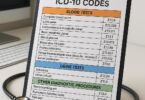
Emotional disturbance is a broad term encompassing various mental health conditions that affect mood, behavior, and social functioning. Proper diagnosis and classification are crucial for treatment, insurance claims, and statistical tracking. The International Classification of Diseases, 10th Revision (ICD-10), provides standardized codes for emotional disturbances, ensuring consistency in medical documentation.
This article explores the ICD-10 codes for emotional disturbance, their clinical relevance, diagnostic criteria, and best practices for accurate coding. Whether you’re a healthcare provider, medical coder, or patient seeking information, this guide offers in-depth insights into emotional disturbances and their classification.

ICD-10 Code for Emotional Disturbance
Understanding Emotional Disturbance
Definition and Symptoms
Emotional disturbance refers to a range of psychological conditions characterized by persistent emotional dysregulation. Symptoms may include:
-
Severe anxiety or depression
-
Aggressive or withdrawn behavior
-
Difficulty forming relationships
-
Extreme mood swings
-
Academic or occupational impairment
Causes and Risk Factors
Several factors contribute to emotional disturbances, including:
-
Genetic predisposition (family history of mental illness)
-
Environmental stressors (trauma, abuse, neglect)
-
Neurological imbalances (abnormal serotonin or dopamine levels)
-
Chronic medical conditions (e.g., ADHD, autism spectrum disorders)
ICD-10 Coding System Overview
Purpose and Structure
The ICD-10 system, maintained by the World Health Organization (WHO), standardizes disease classification for:
-
Medical billing and insurance claims
-
Epidemiological research
-
Healthcare policy planning
ICD-10 codes are alphanumeric, with categories such as:
-
F00-F99: Mental and behavioral disorders
-
R00-R99: Symptoms and abnormal clinical findings
Importance in Medical Billing and Diagnosis
Accurate ICD-10 coding ensures:
✔ Proper reimbursement from insurers
✔ Compliance with healthcare regulations
✔ Reliable tracking of mental health trends
ICD-10 Codes for Emotional Disturbance
Below are the most common ICD-10 codes for emotional disturbances:
| ICD-10 Code | Description | Clinical Notes |
|---|---|---|
| F32.9 | Major depressive disorder, unspecified | Covers general depressive symptoms without further specification |
| F41.1 | Generalized anxiety disorder | Excessive anxiety affecting daily life |
| F90.9 | Attention-deficit hyperactivity disorder (ADHD), unspecified | Hyperactivity and impulsivity |
| F91.9 | Conduct disorder, unspecified | Aggressive or antisocial behavior |
| F93.8 | Other childhood emotional disorders | Includes school phobia, sibling rivalry disorder |
Differences Between Similar Codes
-
F32.9 (Depression) vs. F33.9 (Recurrent depressive disorder): The latter involves repeated episodes.
-
F41.1 (Anxiety) vs. F41.9 (Unspecified anxiety disorder): The former is more specific.
Diagnosing Emotional Disturbance
Clinical Assessment
A thorough evaluation includes:
-
Patient history (family background, trauma, symptoms)
-
Behavioral observations (aggression, withdrawal)
-
Standardized questionnaires (PHQ-9 for depression, GAD-7 for anxiety)
Psychological Testing
Tests like the Beck Depression Inventory (BDI) or Conners’ Rating Scales (for ADHD) help confirm diagnoses.
Treatment and Management
Therapeutic Approaches
-
Cognitive Behavioral Therapy (CBT) – Effective for anxiety and depression.
-
Dialectical Behavior Therapy (DBT) – Helps with emotional regulation.
-
Family Therapy – Addresses relational dynamics.
Medication (If Applicable)
-
Antidepressants (SSRIs) – For depression and anxiety.
-
Stimulants (e.g., Adderall) – For ADHD.
ICD-10 Coding Challenges and Best Practices
Common Errors and How to Avoid Them
-
Using unspecified codes (e.g., F32.9) when more specific ones exist → Always review patient records for detailed symptoms.
-
Mixing up adjustment disorder (F43.2) and major depression (F32.9) → Verify duration and severity.
Documentation Tips for Accurate Coding
✔ Record symptom duration and severity.
✔ Specify if the condition is recurrent or single-episode.
Legal and Ethical Considerations
-
HIPAA compliance – Protect patient confidentiality.
-
Fraud prevention – Avoid upcoding (using higher-paying codes inappropriately).
Case Studies and Real-World Examples
-
Case 1: A 16-year-old with F91.9 (Conduct Disorder) shows improvement after CBT.
-
Case 2: A 35-year-old with F32.9 (Depression) benefits from SSRIs.
Conclusion
Understanding ICD-10 codes for emotional disturbance ensures accurate diagnosis, billing, and treatment. Proper documentation and coding reduce errors, improve patient care, and maintain compliance. By staying informed about updates in mental health classifications, healthcare providers can deliver better outcomes.
FAQs
1. What is the most common ICD-10 code for depression?
-
F32.9 (Major depressive disorder, unspecified).
2. Can emotional disturbance codes be used for children?
-
Yes, codes like F93.8 (Childhood emotional disorders) apply.
3. How often are ICD-10 codes updated?
-
WHO releases minor updates annually, with major revisions every few years.