Eosinophilic dermatitis is a skin condition characterized by an abnormal accumulation of eosinophils—a type of white blood cell—in the skin, leading to inflammation, itching, and lesions. Proper diagnosis and treatment are essential to managing this condition effectively. One critical aspect of medical documentation is the correct use of the International Classification of Diseases, 10th Revision (ICD-10) code for eosinophilic dermatitis, ensuring accurate billing, research, and patient care.
This comprehensive guide explores eosinophilic dermatitis in detail, including its clinical presentation, diagnostic criteria, treatment options, and the correct ICD-10 coding. Whether you’re a healthcare provider, medical coder, or patient seeking information, this article will provide valuable insights into this dermatological condition.
ICD-10 Code for Eosinophilic Dermatitis
2. Understanding Eosinophilic Dermatitis
Definition and Clinical Presentation
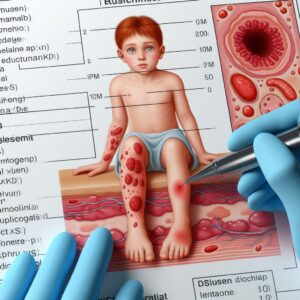
Eosinophilic dermatitis is a form of dermatitis where eosinophils infiltrate the skin, causing inflammation and tissue damage. Symptoms may include:
-
Erythema (redness)
-
Pruritus (itching)
-
Papules or plaques
-
Scaling or blistering in severe cases
Causes and Risk Factors
The exact cause is not always clear, but potential triggers include:
-
Allergic reactions (food, drugs, environmental allergens)
-
Autoimmune disorders
-
Infections (parasitic, fungal, or bacterial)
-
Genetic predisposition
Pathophysiology
Eosinophils play a role in immune defense, but their overactivation leads to tissue damage. Key mechanisms include:
-
Release of cytotoxic granules (e.g., major basic protein, eosinophil peroxidase)
-
Cytokine production (IL-5, IL-13) promoting inflammation
3. Diagnosis of Eosinophilic Dermatitis
Clinical Examination
A dermatologist evaluates:
-
Morphology of lesions
-
Distribution (localized vs. generalized)
-
Patient history (allergies, infections, medications)
Laboratory Tests and Biopsy
-
Complete blood count (CBC) (elevated eosinophils)
-
Skin biopsy (confirms eosinophil infiltration)
-
Patch testing (identifies allergens)
Differential Diagnosis
Conditions with similar presentations:
| Condition | Key Differentiating Features |
|---|---|
| Atopic Dermatitis (L20) | Chronic, associated with asthma/allergies |
| Contact Dermatitis (L23-L25) | Allergen exposure history |
| Psoriasis (L40) | Silvery scales, plaques |
4. ICD-10 Coding for Eosinophilic Dermatitis
Overview of ICD-10 Coding System
The ICD-10 system standardizes medical diagnoses for billing, research, and public health tracking.
Specific Codes for Eosinophilic Dermatitis
While there is no single dedicated code, the following apply:
-
L20-L30 (Dermatitis and eczema)
-
L23.9 (Allergic contact dermatitis, unspecified)
-
L30.9 (Dermatitis, unspecified)
Common Coding Errors
-
Using unspecified codes when a specific diagnosis is available
-
Miscoding as atopic dermatitis (L20) without confirmation
5. Treatment and Management
Topical and Systemic Therapies
-
Corticosteroids (reduce inflammation)
-
Antihistamines (control itching)
-
Immunosuppressants (severe cases)
Lifestyle and Preventative Measures
-
Avoiding known allergens
-
Moisturizing skin regularly
-
Wearing hypoallergenic fabrics
6. Prognosis and Complications
Most cases improve with treatment, but chronic forms may lead to:
-
Secondary infections
-
Lichenification (thickened skin)
7. FAQs
Q1: What is the exact ICD-10 code for eosinophilic dermatitis?
There is no unique code, but L23.9 (Allergic contact dermatitis) or L30.9 (Dermatitis, unspecified) may apply.
Q2: How is eosinophilic dermatitis diagnosed?
Via clinical exam, blood tests (eosinophilia), and skin biopsy.
Q3: Can diet affect eosinophilic dermatitis?
Yes, food allergies may trigger flare-ups.
8. Conclusion
Eosinophilic dermatitis is an inflammatory skin condition requiring accurate diagnosis and proper ICD-10 coding for effective management. Treatment involves anti-inflammatory therapies and allergen avoidance. Correct coding ensures proper billing and patient care.