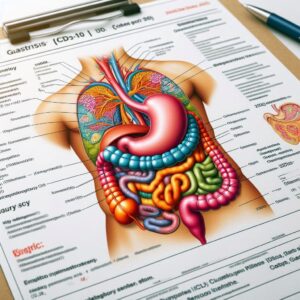
Gastritis is a common yet often misunderstood medical condition characterized by inflammation of the stomach lining. It can range from mild irritation to severe ulceration and bleeding. Accurate diagnosis and proper coding are essential for effective treatment, insurance claims, and medical record-keeping. The International Classification of Diseases, 10th Revision (ICD-10), provides specific codes for different types of gastritis, ensuring standardized documentation across healthcare systems.
This comprehensive guide explores gastritis in detail, covering its causes, symptoms, diagnosis, and treatment, with a special focus on ICD-10 coding guidelines. Whether you’re a healthcare professional, medical coder, or patient seeking information, this article will provide valuable insights.
ICD-10 Code for Gastritis
Understanding Gastritis: Definition and Types
Gastritis refers to the inflammation, irritation, or erosion of the stomach lining. It can be classified into several types based on duration, cause, and pathology:
1. Acute Gastritis
-
Sudden onset, often caused by irritants like NSAIDs, alcohol, or infections.
-
Symptoms include nausea, vomiting, and abdominal pain.
2. Chronic Gastritis
-
Long-term inflammation, often due to H. pylori infection or autoimmune conditions.
-
Can lead to atrophy (thinning) of the stomach lining.
3. Erosive Gastritis
-
Involves wearing away of the stomach lining, leading to ulcers.
-
Commonly caused by prolonged NSAID use or alcohol abuse.
4. Atrophic Gastritis
-
A severe form where stomach lining cells are destroyed, affecting digestion.
-
Linked to pernicious anemia and increased gastric cancer risk.
5. Reactive Gastritis
-
Caused by bile reflux or chemical irritation.
Causes and Risk Factors of Gastritis
Several factors contribute to gastritis, including:
-
Helicobacter pylori (H. pylori) infection (most common cause)
-
Nonsteroidal anti-inflammatory drugs (NSAIDs) (e.g., ibuprofen, aspirin)
-
Excessive alcohol consumption
-
Stress (physical or emotional)
-
Autoimmune disorders (e.g., autoimmune gastritis)
-
Bile reflux
-
Viral or bacterial infections
Symptoms and Clinical Presentation
Symptoms vary depending on the type and severity of gastritis:
✅ Common Symptoms:
-
Abdominal pain or burning sensation
-
Nausea and vomiting
-
Bloating and indigestion
-
Loss of appetite
-
Black, tarry stools (indicating bleeding)
🚨 Severe Symptoms (Require Immediate Attention):
-
Vomiting blood (hematemesis)
-
Severe, unrelenting pain
-
Signs of anemia (fatigue, dizziness)
Diagnosis of Gastritis
Diagnostic methods include:
-
Medical History & Physical Exam
-
Endoscopy (EGD) with biopsy
-
H. pylori Testing (stool antigen, breath test, blood test)
-
Blood Tests (CBC, liver function, vitamin B12 levels)
-
Stool Tests (for occult blood)
ICD-10 Coding for Gastritis: Breakdown and Guidelines
Accurate ICD-10 coding ensures proper billing and documentation. Below are the primary codes for gastritis:
ICD-10 Codes for Gastritis
| Type of Gastritis | ICD-10 Code | Description |
|---|---|---|
| Acute Gastritis | K29.00 | Without bleeding |
| Acute Gastritis with Bleeding | K29.01 | With hemorrhage |
| Chronic Gastritis | K29.50 | Unspecified |
| Chronic Atrophic Gastritis | K29.40 | Autoimmune metaplasia |
| Alcoholic Gastritis | K29.20 | Due to alcohol use |
| Erosive Gastritis | K29.60 | With or without bleeding |
| Gastritis due to H. pylori | K29.51 | Helicobacter pylori-induced |
Coding Tips:
-
Always specify with or without bleeding.
-
Use additional codes for H. pylori (B96.81) if applicable.
-
For drug-induced gastritis, use an external cause code (e.g., T39.315A for NSAID-induced).
Treatment and Management of Gastritis
Treatment depends on the underlying cause:
1. Medications
-
Proton Pump Inhibitors (PPIs) (e.g., omeprazole)
-
H2 Blockers (e.g., famotidine)
-
Antibiotics (for H. pylori) (e.g., clarithromycin + amoxicillin)
-
Antacids (for symptom relief)
2. Lifestyle Changes
-
Avoid spicy, acidic, or fatty foods
-
Reduce alcohol and caffeine
-
Quit smoking
-
Manage stress (yoga, meditation)
3. Surgical Intervention (Rare Cases)
-
Required for severe bleeding or perforation.
Prevention and Lifestyle Modifications
✔ Dietary Adjustments:
-
Eat smaller, frequent meals
-
Consume probiotics (yogurt, kefir)
-
Avoid NSAIDs unless necessary
✔ Stress Management:
-
Regular exercise
-
Adequate sleep
✔ Regular Medical Check-ups:
-
Especially for chronic conditions
Complications of Untreated Gastritis
⚠ Potential Risks Include:
-
Peptic ulcers
-
Gastric bleeding
-
Increased risk of stomach cancer
-
Vitamin B12 deficiency (in atrophic gastritis)
Conclusion
Gastritis is a prevalent condition with varying causes and severity levels. Proper diagnosis, treatment, and accurate ICD-10 coding (e.g., K29.00 for acute gastritis) are crucial for effective healthcare management. Lifestyle changes and medication can significantly improve symptoms. If left untreated, gastritis can lead to serious complications, making early intervention essential.
FAQs
1. What is the most common ICD-10 code for gastritis?
-
K29.00 (Acute gastritis without bleeding).
2. How is H. pylori-related gastritis coded?
-
K29.51 (Gastritis due to H. pylori) + B96.81 (H. pylori as the cause).
3. Can stress cause gastritis?
-
Yes, severe stress can lead to stress-induced erosive gastritis.
4. When should I see a doctor for gastritis?
-
If symptoms persist for more than a week or include vomiting blood or black stools.