Keloids are a common dermatological condition characterized by the overgrowth of scar tissue beyond the boundaries of the original wound. These raised, often painful, and cosmetically concerning scars can significantly impact a patient’s quality of life. Proper diagnosis and coding are essential for medical billing, insurance claims, and effective treatment planning.
The ICD-10 code for keloid is L91.0, classified under “Hypertrophic disorders of the skin.” This article provides an in-depth exploration of keloids—covering their causes, symptoms, diagnosis, treatment options, and the correct ICD-10 coding guidelines. Whether you’re a healthcare provider, medical coder, or patient, this guide offers valuable insights into managing keloids effectively.
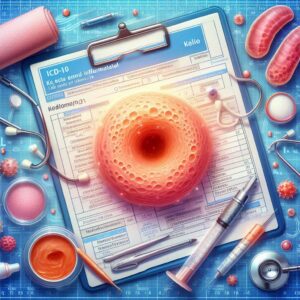
ICD-10 Code for Keloid
Understanding Keloids: Definition and Characteristics
Keloids are benign fibrous growths that develop when the body’s wound-healing process goes awry. Unlike normal scars, keloids extend beyond the original injury site and may continue growing over time.
Key Features of Keloids:
-
Raised and thickened scar tissue
-
Red, pink, or dark brown in color
-
Firm and rubbery texture
-
May cause itching, pain, or tenderness
-
Common locations: Chest, shoulders, earlobes, and cheeks
Causes and Risk Factors of Keloid Formation
Keloids result from an abnormal response to skin injury, where excessive collagen is produced during healing.
Common Causes:
-
Surgical incisions
-
Acne scars
-
Burns
-
Ear piercings
-
Vaccination sites
Risk Factors:
| Factor | Description |
|---|---|
| Genetics | Higher prevalence in individuals with a family history of keloids |
| Skin Type | More common in darker skin tones (Fitzpatrick skin types IV-VI) |
| Age | Most frequent in individuals aged 10-30 years |
| Hormonal Influence | Pregnancy and puberty may trigger keloid growth |
ICD-10 Coding for Keloids: L91.0
Accurate medical coding ensures proper documentation and reimbursement.
Breakdown of ICD-10 Code L91.0
-
Category: L91 (Hypertrophic disorders of the skin)
-
Subcategory: L91.0 (Hypertrophic scar, Keloid)
Related ICD-10 Codes
| Code | Description |
|---|---|
| L90.5 | Scar conditions and fibrosis of skin |
| L91.8 | Other hypertrophic disorders of the skin |
| L91.9 | Hypertrophic disorder of skin, unspecified |
Treatment Options for Keloids
Keloid management involves multiple approaches:
Medical Treatments
-
Corticosteroid Injections (reduce inflammation)
-
Silicone Gel Sheets (flatten scars)
-
5-Fluorouracil (5-FU) Injections (inhibit collagen production)
Surgical Interventions
-
Excision (followed by steroid injections to prevent recurrence)
-
Cryotherapy (freezing keloid tissue)
Laser Therapy
-
Pulsed Dye Laser (PDL) (reduces redness and thickness)
Natural Remedies
-
Aloe Vera (soothes skin)
-
Honey (antibacterial properties)
Prevention Strategies for Keloids
-
Avoid unnecessary skin trauma (piercings, tattoos)
-
Use pressure earrings post-piercing
-
Apply silicone sheets early on healing wounds
Conclusion
Keloids are challenging dermatological conditions requiring accurate diagnosis (ICD-10: L91.0) and a multidisciplinary treatment approach. Understanding their causes, risk factors, and management options helps improve patient outcomes. Ongoing research continues to explore advanced therapies for better keloid control.
FAQ Section
1. What is the ICD-10 code for keloid scars?
The ICD-10 code is L91.0 (Hypertrophic scar, Keloid).
2. Can keloids go away on their own?
No, keloids rarely resolve without treatment and may grow larger over time.
3. Are keloids cancerous?
No, keloids are benign and do not turn into cancer.
4. What is the best treatment for keloids?
Combination therapies (steroid injections + laser/surgery) yield the best results.
5. Do keloids come back after removal?
Yes, recurrence rates are high (up to 50-80%), so adjuvant therapy is crucial.