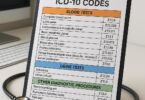
Imagine an irresistible, crawling, itching, or tugging sensation deep within your calves, thighs, or even arms—a feeling so profoundly uncomfortable that the only temporary relief comes from constant movement. Now, imagine this torment striking precisely when you are at your most vulnerable: in the stillness of the night, as you try to surrender to sleep. This is the relentless reality for millions of individuals living with Restless Legs Syndrome (RLS), a common yet frequently misunderstood and misdiagnosed neurological sensorimotor disorder. For those unaffected, it can be challenging to comprehend a condition where the prescription is to “just move,” but for the patient, this movement is not a choice; it is a compulsory, physiological demand. The sufferer is trapped in a cruel paradox, desperate for the restorative peace of sleep but held hostage by their own unquiet body. This article serves as a definitive guide, embarking on a detailed journey from the fundamental clinical definition and the crucial medical classification via the ICD-10 code G25.81, through the complex neurobiological pathways, and onto the multifaceted strategies for management and reclaiming a life of quality and restful nights.

icd 10 code restless leg syndrome
2. Defining the Indefinable: What is Restless Legs Syndrome?
While the subjective experience of RLS can be difficult to articulate, the International Restless Legs Syndrome Study Group (IRLSSG) has established four essential diagnostic criteria that bring clarity and consistency to its identification. These criteria are universally recognized and form the bedrock of clinical diagnosis.
The Core Diagnostic Criteria (The “URGE” Mnemonic)
To aid recall, the core features of RLS can be summarized by the mnemonic URGE:
-
Urge to Move: An overwhelming, often irresistible need to move the legs, usually accompanied by uncomfortable sensations.
-
Rest Induced: The onset or significant worsening of symptoms during periods of inactivity, such as lying down or sitting for prolonged periods.
-
Getting Active Brings Relief: The partial or total relief of symptoms with movement, such as walking, stretching, or jiggling the legs. This relief persists for the duration of the activity.
-
Evening and Night Exacerbation: Symptoms follow a distinct circadian pattern, being predominantly worse in the evening and at night. In severe cases, this diurnal variation may be less noticeable, but the nighttime predominance must have been present at some point.
The Spectrum of Severity: From Annoyance to Debilitation
RLS is not a monolithic condition. Its impact varies dramatically. The IRLSSG Severity Scale is a validated tool used to quantify this impact, ranging from mild to very severe.
-
Mild: Symptoms are not profoundly distressing and do not significantly disrupt daytime function, occurring occasionally.
-
Moderate: Symptoms occur once or twice weekly, causing significant delay in sleep onset and some impairment in daytime functioning.
-
Severe: Very frequent symptoms severely disrupt sleep and markedly impair daytime mood and cognitive function.
-
Very Severe: Symptoms are unbearable, occurring almost every day, leading to severe sleep deprivation and a devastating impact on quality of life.
3. The Language of Medicine: The ICD-10 Code G25.81
In the world of modern healthcare, precise communication is paramount. The International Classification of Diseases, 10th Revision (ICD-10) is the global standard for diagnosing, treating, and researching medical conditions, and for administrative functions like billing and epidemiology.
A Deep Dive into the ICD-10 System
The ICD-10 is a sophisticated, alphanumeric system maintained by the World Health Organization (WHO). Each code provides a specific “address” for a disease or condition. The structure is hierarchical:
-
Chapter: The first character is a letter representing a broad chapter (e.g., Chapter VI: Diseases of the nervous system, codes G00-G99).
-
Category: The next two characters specify a category within that chapter.
-
Subcategory and Extension: Further characters after a decimal point provide greater specificity regarding etiology, anatomical site, or severity.
Why G25.81? Decoding the Classification
The specific ICD-10 code for Restless Legs Syndrome is G25.81.
-
G: Chapter – Diseases of the nervous system.
-
G25: Category – Other extrapyramidal and movement disorders. This category includes conditions like essential tremor, drug-induced movement disorders, and other abnormal involuntary movements.
-
G25.8: Subcategory – Other specified extrapyramidal and movement disorders.
-
G25.81: The specific code for Restless Legs Syndrome.
This placement is significant. It classifies RLS not as a psychiatric condition, a circulatory problem, or a simple sleep disorder, but fundamentally as a neurological movement disorder with a distinct extrapyramidal component, implicating brain pathways involving dopamine.
Clinical Documentation: The Key to Accurate Coding
For a coder to assign G25.81, the physician’s clinical documentation must be unambiguous. Phrases like “patient complains of creepy-crawly sensations in legs at night relieved by walking” or “symptoms meet all four IRLSSG diagnostic criteria for RLS” are essential. Vague terms like “leg discomfort” are insufficient. Furthermore, it is critical to document whether the RLS is primary (idiopathic) or secondary to another condition, such as iron deficiency or renal failure, as this may require additional codes and influences treatment strategy.
4. The Epidemiology of RLS: Who is Affected?
RLS is far from a rare condition. Its prevalence varies across populations and geographic regions, a phenomenon thought to be linked to both genetic and environmental factors, particularly iron status.
-
Global Prevalence: In North America and Western Europe, population-based studies estimate a prevalence of approximately 5-10% in adults.
-
Gender Disparity: Women are about twice as likely as men to develop RLS, with hormonal fluctuations during pregnancy being a major trigger.
-
Age of Onset: While RLS can begin at any age, including childhood (often misdiagnosed as “growing pains”), the severity and prevalence increase significantly with age.
-
Pregnancy: Up to one in three pregnant women may experience RLS, particularly in the third trimester. Symptoms often resolve postpartum but indicate a lifelong predisposition.
-
Ethnic Variations: RLS appears to be most common in populations of European descent and less frequently reported in Asian populations, though this may be partly due to diagnostic awareness.
5. Unraveling the Mystery: Pathophysiology and Underlying Causes
The precise cause of RLS remains an active area of research, but a compelling and multi-faceted model has emerged, centering on dysregulation in two key systems: brain iron storage and dopaminergic neurotransmission.
The Central Role of Brain Iron Dysregulation
This is considered the primary pillar of RLS pathophysiology. Even in patients with normal systemic iron levels (normal serum ferritin), advanced imaging and cerebrospinal fluid analysis have consistently shown reduced iron stores in specific brain regions, particularly the substantia nigra. This region is rich in dopamine-producing neurons. Iron is a crucial cofactor for tyrosine hydroxylase, the rate-limiting enzyme in dopamine synthesis. Therefore, low brain iron leads to impaired dopamine production, setting the stage for the sensorimotor symptoms of RLS.
The Dopamine Connection: A System Gone Awry
The diurnal pattern of RLS—worsening at night—parallels the natural circadian decline in dopamine levels in the brain. The theory posits that in RLS, this normal dip becomes pathologically exaggerated due to the underlying iron deficiency, leading to a state of relative dopamine hypoactivity in key neural circuits. This explains the dramatic efficacy of dopamine-releasing agents (like levodopa) and dopamine agonists (like pramipexole and ropinirole). Paradoxically, long-term use of these very drugs can lead to “augmentation,” a worsening of symptoms, suggesting the system is delicately balanced and easily perturbed.
Genetic Predispositions: Is RLS in Your DNA?
Approximately 50-60% of patients with primary RLS report a positive family history. Genome-wide association studies have identified several genetic loci linked to an increased risk, with the strongest associations found in genes involved in neuronal development and regulation (BTBD9, MEIS1, MAP2K5/SKOR1, and PTPRD). These genetic variants are believed to influence iron homeostasis and dopaminergic pathways, creating a biological susceptibility.
Secondary RLS: When Another Condition is the Culprit
A significant number of RLS cases are secondary to, or exacerbated by, other medical conditions. Identifying and treating the underlying cause can often resolve or significantly improve RLS symptoms.
-
Iron Deficiency: The most common and treatable cause. Low serum ferritin (< 50-75 µg/L is a common treatment threshold in RLS).
-
End-Stage Renal Disease (ESRD): Up to 60% of dialysis patients suffer from RLS, linked to anemia, iron deficiency, and uremic toxins.
-
Peripheral Neuropathy: While a distinct condition, it can co-occur and exacerbate RLS.
-
Pregnancy: As previously mentioned, due to hormonal changes and functional iron deficiency.
-
Medications: Certain drugs, such as antihistamines (found in many cold and sleep aids), antidepressants (particularly SSRIs and SNRIs), and anti-nausea drugs (antidopaminergic) can trigger or worsen RLS.
6. The Diagnostic Odyssey: From Patient History to Differential Diagnosis
There is no single laboratory test or scan to confirm RLS. Diagnosis rests squarely on a meticulous clinical evaluation.
The Importance of a Detailed Clinical Interview
The clinician must create a safe space for the patient to describe their often-bizarre sensations. Key questions include: “Can you describe the feeling in your own words?” “What do you have to do to make it better?” “Is it worse when you’re trying to relax or sleep?” Eliciting the full URGE criteria is the diagnostic gold standard.
Essential Laboratory Tests: Ferritin and Beyond
While not diagnostic, testing is mandatory to rule out secondary causes.
-
Serum Ferritin: This is the single most important test. A level below 50-75 µg/L often warrants iron supplementation, even in the absence of anemia.
-
Complete Blood Count (CBC): To check for anemia.
-
Basic Metabolic Panel: To assess kidney function, given the link to ESRD.
-
Vitamin B12 and Folate: Deficiencies can contribute to neuropathy.
-
Thyroid Function Tests: Thyroid dysfunction can mimic or exacerbate RLS.
The Challenge of Mimics: Peripheral Neuropathy, Akathisia, and More
A skilled clinician must differentiate RLS from other conditions that present with restlessness or limb discomfort.
-
Peripheral Neuropathy: Typically causes persistent numbness, tingling, or pain, which is not exclusively worse at rest or relieved by movement.
-
Akathisia: An inner, subjective feeling of restlessness and an inability to remain still, often caused by antipsychotic medications. Unlike RLS, it lacks a clear circadian pattern and the specific, localized uncomfortable sensations.
-
Nocturnal Leg Cramps: Sudden, painful, involuntary muscle contractions, distinct from the persistent sensory urge of RLS.
-
Positional Discomfort: Simple discomfort from staying in one position, relieved by a single shift, not a persistent urge to move.
7. Navigating Treatment Landscapes: A Tiered Approach to Management
Managing RLS is a personalized, often lifelong process. Treatment follows a stepped approach, beginning with the simplest, lowest-risk interventions.
First-Line: Non-Pharmacological Interventions
Iron Repletion: The Foundation of Therapy
For any patient with low or low-normal ferritin (<75 µg/L), oral iron supplementation (e.g., ferrous sulfate 65 mg of elemental iron) taken with vitamin C to enhance absorption is the first step. In cases of intolerance or non-absorption, intravenous iron infusion can be dramatically effective, even in patients with normal ferritin but low brain iron.
Lifestyle and Behavioral Modifications
-
Sleep Hygiene: Maintaining a regular sleep schedule is critical.
-
Exercise: Moderate, regular exercise can alleviate symptoms, but intense exercise late in the day may worsen them.
-
Avoiding Triggers: Caffeine, alcohol, and nicotine are well-known RLS exacerbators and should be avoided, especially in the evening.
-
Counter-stimulation: Using compression wraps, taking warm baths, or applying cold/heat packs before bed can provide temporary relief.
Second-Line: Pharmacological Powerhouses
When non-pharmacological measures are insufficient, medications are introduced, with careful consideration of their risk-benefit profiles.
First- and Second-Line Pharmacological Treatments for RLS
| Medication Class | Examples | Mechanism of Action | Pros | Cons & Key Risks |
|---|---|---|---|---|
| Alpha-2-Delta Ligands | Gabapentin Enacarbil (Horizant), Pregabalin (Lyrica) | Modulates calcium channels, reducing neurotransmitter release. | First-line choice for many. Effective for pain, low risk of augmentation. | Side effects: dizziness, drowsiness, weight gain. |
| Dopamine Agonists | Pramipexole (Mirapex), Ropinirole (Requip) | Stimulates dopamine receptors in the brain. | Highly effective, fast-acting. | High risk of AUGMENTATION (symptoms appear earlier, are more intense, or spread to other body parts). Also: nausea, impulse control disorders. |
| Levodopa | Carbidopa/Levodopa | Precursor to dopamine. | Very fast, effective for intermittent RLS. | Extremely high risk of augmentation. Not for daily use. |
| Opioids | Oxycodone, Methadone, Buprenorphine | Binds to opioid receptors in the CNS. | Reserved for severe, treatment-resistant RLS. Highly effective. | Risk of dependence, tolerance, constipation, respiratory depression. |
Alpha-2-Delta Ligands: The New First-Choice
Due to the significant risk of augmentation with dopamine agonists, guidelines now strongly favor alpha-2-delta ligands like gabapentin enacarbil as the initial pharmacological treatment for chronic, daily RLS. They are effective, do not cause augmentation, and can also improve associated sleep architecture.
Dopamine Agonists: Benefits and the Daunting Risk of Augmentation
While highly effective, long-term use of dopamine agonists carries a high risk of augmentation—a phenomenon where the medication itself makes the RLS worse. This often necessitates a complex and difficult process of cross-titration to another medication class. Their use is now typically reserved for specific cases, not as a first-line long-term solution.
Opioids: A Reserved but Potent Tool for Severe Cases
For patients with severe, refractory RLS who have failed all other therapies, low-dose opioids can be life-changing. They are used cautiously under the supervision of a specialist, with careful monitoring for risks of dependency.
Emerging Therapies and Future Directions
Research continues into new treatments. Non-invasive brain stimulation (e.g., TMS), new formulations of existing drugs, and drugs targeting the brain’s hypocretin/orexin system or adenosine pathways are all under investigation, offering hope for more targeted and effective future therapies.
8. The Ripple Effect: The Profound Impact on Sleep and Quality of Life
The consequences of RLS extend far beyond the uncomfortable sensations. The primary and most devastating impact is on sleep.
-
Severe Sleep Deprivation: The inability to fall or stay asleep leads to chronic sleep loss.
-
Excessive Daytime Sleepiness (EDS): This impairs concentration, memory, and work performance.
-
Mood Disorders: The chronic stress and sleep disruption significantly increase the risk of depression and anxiety.
-
Cardiovascular Risk: Growing evidence links severe RLS to an increased risk of hypertension and cardiovascular disease, possibly due to the sympathetic activation and blood pressure spikes associated with periodic limb movements during sleep (PLMS).
-
Social and Occupational Impairment: Patients may avoid activities that require sitting still—movies, travel, meetings—leading to social isolation and professional limitations.
9. Living with RLS: Patient Narratives and Coping Strategies
Beyond the clinical facts, the human experience of RLS is one of frustration, isolation, and a desperate search for validation. Many patients spend years being told “it’s all in your head” before receiving a correct diagnosis. Support groups, both online and in-person, provide an invaluable community for sharing tips and emotional support. Successful management often involves a combination of strict adherence to lifestyle changes, consistent medication management, and a strong partnership with a knowledgeable and empathetic healthcare provider.
10. Conclusion: Synthesizing the Journey
Restless Legs Syndrome, classified under ICD-10 code G25.81, is a complex neurological disorder rooted in brain iron deficiency and dopaminergic dysfunction. Its diagnosis hinges on a careful clinical assessment guided by the four essential URGE criteria, with iron status being a critical investigative component. Modern treatment prioritizes iron repletion and alpha-2-delta ligands, moving away from long-term dopamine agonist use due to the high risk of augmentation. Ultimately, a comprehensive, patient-centered approach is essential to mitigate the profound impact of RLS on sleep, mental health, and overall quality of life, transforming the unquiet body back into a source of rest and peace.
11. Frequently Asked Questions (FAQs)
Q1: Is Restless Legs Syndrome a serious condition?
A: While not life-threatening in itself, its impact can be profoundly serious. The chronic, severe sleep deprivation it causes can lead to significant impairments in cognitive function, mental health (depression, anxiety), and physical health (increased cardiovascular risk), severely diminishing quality of life.
Q2: Can children get RLS?
A: Yes. Pediatric RLS is recognized and is often misdiagnosed as “growing pains” or Attention-Deficit/Hyperactivity Disorder (ADHD) due to the child’s inability to sit still. The diagnostic criteria are similar but adapted for a child’s ability to describe symptoms.
Q3: I have a normal blood count. Could I still have an iron problem causing my RLS?
A: Absolutely. Serum ferritin (a measure of iron stores) is the key test. You can have a normal hemoglobin (no anemia) but have low ferritin stores, which is sufficient to cause or exacerbate RLS. A ferritin level is essential in any RLS workup.
Q4: What is “augmentation” and how can I avoid it?
A: Augmentation is the primary long-term complication of dopamine agonist therapy (pramipexole, ropinirole). It describes a worsening of RLS symptoms: they start earlier in the day, become more intense, spread to other body parts (arms, trunk), or the medication’s duration of effect shortens. The best way to avoid it is to use the lowest possible dose of a dopamine agonist or, where appropriate, use an alpha-2-delta ligand (gabapentin enacarbil) as a first-line treatment instead.
Q5: Are there any new treatments on the horizon for RLS?
A: Research is ongoing. Areas of interest include new formulations of iron to better target the brain, novel drugs that target different neurotransmitter systems (like adenosine), and non-pharmacological approaches like targeted peripheral nerve stimulation. The future of RLS treatment lies in more personalized and mechanism-based therapies.
12. Additional Resources
-
Restless Legs Syndrome Foundation: https://www.rls.org (A comprehensive resource for patients and clinicians, offering education, support, and research updates.)
-
International Restless Legs Syndrome Study Group (IRLSSG): https://www.irlssg.org (The leading professional body setting diagnostic criteria and treatment guidelines.)
-
National Institute of Neurological Disorders and Stroke (NINDS) – Restless Legs Syndrome Information Page: https://www.ninds.nih.gov/restless-legs-syndrome (Provides reliable, government-backed scientific information.)
-
World Association of Sleep Medicine (WASM): https://wasmonline.org (An organization for sleep professionals, with resources relevant to RLS as a sleep disorder.)
Disclaimer: This article is for informational purposes only and does not constitute medical advice. The ICD-10 code information is provided for educational use. Always consult a qualified healthcare provider for diagnosis, treatment, and personalized medical guidance. The author and publisher are not liable for any actions taken based on the information in this article.
Date: October 25, 2025
Author: Dr. Evelyn Reed, Neurologist & Sleep Medicine Specialist