A patient presents to a clinic, their gait slightly labored, expressing a familiar complaint: “Doctor, both of my knees hurt.” This simple statement sets in motion a complex clinical and administrative process. For the clinician, the focus is on diagnosis and treatment—unraveling the “why” behind the pain. For the medical coder, the focus is on accurately translating that clinical reality into a standardized alphanumeric language that the healthcare system understands: the International Classification of Diseases, Tenth Revision, Clinical Modification (ICD-10-CM).
The coding of bilateral knee pain is a quintessential example of where the simplicity of a patient’s complaint meets the intricate, rule-based world of medical classification. It is a topic often misunderstood, leading to coding errors, claim denials, and compliance risks. This is not merely an academic exercise; accurate coding is the linchpin of revenue cycle management, population health data, epidemiological research, and value-based care initiatives. An incorrectly coded case of bilateral knee pain can distort the true prevalence of a disease, impede reimbursement for services rendered, and even trigger a audit.
This comprehensive guide aims to demystify the ICD-10 codes process for bilateral knee pain. We will journey from the clinical underpinnings of what causes pain in both knees to the precise application of coding guidelines. We will explore common pitfalls, provide actionable coding scenarios, and emphasize the critical partnership between provider documentation and coder expertise. Whether you are a seasoned coder, a practicing clinician, a healthcare administrator, or a student entering the field, this article will provide you with a deep, nuanced understanding of how to correctly and confidently classify this common condition.
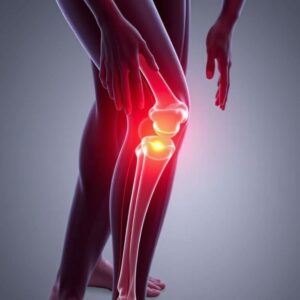
ICD-10 Codes for Bilateral Knee Pain
2. Understanding the Foundation: What is the ICD-10-CM?
Before delving into the specifics of knee pain, one must understand the tool itself. The ICD-10-CM is a system used by physicians, coders, and other healthcare professionals to classify and code all diagnoses, symptoms, and procedures recorded in conjunction with hospital and outpatient care in the United States.
Developed by the World Health Organization (WHO) and modified for use in the U.S. by the Centers for Disease Control and Prevention (CDC) and the Centers for Medicare & Medicaid Services (CMS), its purposes are multifold:
-
Reimbursement: It is the foundation of the medical billing process. Diagnosis codes justify the medical necessity of procedures (CPT/HCPCS codes) submitted to payers for reimbursement.
-
Epidemiology and Research: It allows for the tracking, analysis, and comparison of morbidity and mortality data across populations and over time. Studying trends in osteoarthritis, for instance, relies on accurate coding.
-
Clinical Decision Making: While primarily administrative, aggregated coding data can inform public health strategies and resource allocation.
-
Quality Measurement: Codes are used in quality reporting programs to assess the health outcomes of patient populations.
The structure of an ICD-10-CM code is hierarchical:
-
Category: The first three characters (e.g., M25 – Other joint disorders, not elsewhere classified).
-
Etiology, Anatomic Site, Severity, etc.: Characters four through seven provide greater specificity. The 5th character in the M25.5- series specifies the joint.
-
Laterality: The 6th character denotes which side of the body is affected. This is the central character for our discussion on bilateral knee pain.
Understanding this structure is key to navigating the coding challenges for bilateral conditions.
3. The Clinical Picture: Unpacking the Causes of Bilateral Knee Pain
Knee pain is a symptom, not a disease. Therefore, effective coding is impossible without a grasp of its potential causes. Bilateral involvement often points to systemic, degenerative, or activity-related conditions rather than an isolated injury.
Osteoarthritis: The Wear-and-Tear Archetype
The most common cause of bilateral knee pain, particularly in older adults, is osteoarthritis (OA). It is a degenerative joint disease characterized by the breakdown of articular cartilage and underlying bone. Pain is typically worse with activity and improves with rest. Stiffness, especially after periods of inactivity, and a sensation of grating or crepitus are common. Bilateral involvement is frequent because the factors that lead to OA—age, genetics, obesity, and biomechanical stress—typically affect both knees.
Inflammatory Arthritides: Rheumatoid Arthritis and Beyond
Unlike OA, inflammatory arthritis involves the immune system attacking the joints. Rheumatoid Arthritis (RA) is the most well-known, and it is classically symmetrical, affecting the same joints on both sides of the body simultaneously. Pain and stiffness are often worst in the morning and can last for more than an hour. Other types like psoriatic arthritis can also cause bilateral knee pain, though symmetry is less consistent.
Patellofemoral Pain Syndrome: The Runner’s Nemesis
Commonly known as “runner’s knee,” this condition causes pain around or behind the kneecap (patella). It results from overuse, misalignment of the patella, or muscle imbalances. While it can occur in one knee, it is very common for athletes and active individuals to develop it in both knees due to symmetrical biomechanical patterns and training regimens.
Ligamentous and Meniscal Pathologies
Injuries to ligaments (ACL, PCL, MCL, LCL) and menisci are often traumatic and unilateral. However, degenerative meniscal tears, which occur without a significant injury, can develop in both knees, especially in older populations. Certain activities or underlying conditions that weaken connective tissues can also predispose an individual to bilateral injuries.
Bursitis and Tendinopathies
Inflammation of the bursae (small fluid-filled sacs that cushion the joint) or tendons (like the patellar tendon) can cause localized knee pain. Prepatellar bursitis (“housemaid’s knee”) or patellar tendinitis (“jumper’s knee”) can be bilateral if the activities causing them (e.g., kneeling, jumping) are performed equally on both sides.
Referred Pain and Systemic Conditions
Pain perceived in the knee can sometimes originate from elsewhere. Hip pathologies, such as osteoarthritis or a fracture, often refer pain to the knee. Neuropathies or spinal issues (e.g., L3-L4 radiculopathy) can also manifest as knee pain. Furthermore, systemic conditions like gout or pseudogout can cause acute, intensely painful flares in one or multiple joints, including both knees.
Table 1: Common Causes of Bilateral Knee Pain and Their Clinical Clues
| Cause | Description | Typical Pain Characteristics | Key Clinical Clues |
|---|---|---|---|
| Osteoarthritis (OA) | Degenerative “wear and tear” of cartilage. | Aching pain, worse with activity, better with rest. Stiffness <30 min. | Crepitus, bony enlargement, reduced range of motion. |
| Rheumatoid Arthritis (RA) | Autoimmune inflammatory arthritis. | Symmetrical pain and swelling. Prolonged morning stiffness >1 hour. | Systemic symptoms (fatigue, fever), synovial thickening. |
| Patellofemoral Pain Syndrome | Pain from patella maltracking or overuse. | Anterior knee pain, worse with stairs, squatting, sitting. | Pain on palpation of patellar facets, negative ligament tests. |
| Bilateral Meniscal Tears | Tears in the C-shaped knee cartilage. | Pain, catching, locking, or giving way. | Joint line tenderness, McMurray’s test may be positive. |
| Gout/Pseudogout | Crystal-induced inflammatory arthritis. | Sudden, severe, excruciating pain, redness, swelling. | Can be febrile. Diagnosed by joint aspiration and crystal analysis. |
| Referred Pain (e.g., from Hip) | Pain originating from the hip joint. | Vague ache in the knee, often anterior or medial. | Reduced hip internal rotation, pain with hip maneuver. |
4. The Coding Conundrum: Why Bilateral Knee Pain is Not Straightforward
The intuitive approach for a coder would be to search for a code that explicitly says “bilateral knee pain.” This is where the first major hurdle appears.
The Search for M25.561 and M25.562
In the ICD-10-CM index, if one looks up “Pain > knee > bilateral,” they are directed to codes M25.561 (Pain in right knee) and M25.562 (Pain in left knee). There is no single code for “bilateral.” This is a deliberate feature of the coding system’s design. The guidelines require coders to report separate codes for each side when a bilateral condition is documented and no single bilateral code exists.
The Official Guidance: ICD-10-CM Coding Guidelines
The ICD-10-CM Official Guidelines for Coding and Reporting, Section I.B.13, provide the definitive rule:
Bilateral sites: If a condition is documented as bilateral and there are distinct codes for left and right sides, assign a code for both the left and right side. If there is not a specific code for a bilateral condition, assign separate codes for the left and right side.
This guideline is unambiguous. For bilateral knee pain, the correct code assignment is both M25.561 and M25.562.
However, this is only the beginning of the coding process, not the end. Reporting only these two symptom codes is almost always insufficient and does not reflect the full clinical picture or justify medical necessity.
5. The Primary Tool: M25.56 – Pain in Knee
The code category M25.5 (Pain in joint) is a subcategory under the broader M25 (Other joint disorders, not elsewhere classified) category. It is crucial to note the parenthetical note that accompanies M25.5 in the tabular list: (Excludes1: pain in joint, psychogenic (F45.41)). This means if the pain is deemed to be of psychological origin, you cannot use M25.5- and must use F45.41 instead.
The codes are further specified by laterality:
-
M25.561 – Pain in right knee
-
M25.562 – Pain in left knee
-
M25.569 – Pain in unspecified knee (Used only when the documentation does not specify right, left, or bilateral).
When and How to Use M25.561 and M25.562
These codes should be used when the pain is a primary reason for the encounter and a more specific diagnosis has not been (or cannot be) established. Their use is governed by two key principles:
-
Specificity: If the provider documents “bilateral knee pain,” you must use both the right and left codes. You cannot use the “unspecified” code M25.569 for a documented bilateral condition.
-
Secondary Role: These codes are often symptom codes. The coding guidelines instruct us to code the underlying etiology (the cause) first, whenever it is known. The pain codes are used additionally to provide more detail.
The Critical Role of Medical Documentation
The entire coding structure rests on the provider’s documentation. The following phrases have distinct coding implications:
-
“Bilateral knee pain”: Assign M25.561 and M25.562.
-
“Knee pain” without laterality specified: Assign M25.569 (Pain in unspecified knee). This is a less desirable code as it lacks specificity.
-
“Right knee pain and left knee pain”: Assign M25.561 and M25.562.
The coder is entirely dependent on the clinical note. Ambiguous documentation leads to ambiguous—and potentially incorrect—coding.
6. Beyond the Symptom Code: The Imperative of Etiology
This is the most critical concept in accurate coding for knee pain. Coding only M25.561 and M25.562 is like stating “the car is making a noise” without diagnosing whether it’s a problem with the engine, brakes, or exhaust. To establish medical necessity for treatment (e.g., physical therapy, medication, injection), the underlying cause must be coded.
Coding the Cause, Not Just the Symptom
The ICD-10-CM guidelines emphasize that you should code the known cause of the pain first. The pain code is secondary. For example:
-
If the patient has bilateral knee pain due to osteoarthritis, the primary code should be for bilateral osteoarthritis.
-
If the pain is due to rheumatoid arthritis, the primary code should be for RA.
-
If the pain is due to gout, the primary code should be for gout.
The “Code Also” and “Use Additional Code” Instructions
Within the tabular list, many diagnosis codes include instructions that mandate the use of additional codes. For instance, many codes for specific joint disorders have a “Code also” note instructing the coder to report an associated symptom or manifestation, such as pain. This is your directive to use M25.56- in conjunction with the etiology code.
Furthermore, if a patient has a chronic condition like RA that is being managed, and they present for a flare-up of pain in both knees, you would use codes from Chapter 13 (Diseases of the Musculoskeletal System) for the RA itself, followed by the pain codes to indicate the reason for this specific encounter.
7. A Practical Coding Pathway: Step-by-Step Scenarios
Let’s apply these principles to real-world clinical situations.
Scenario 1: Bilateral Osteoarthritis
-
Documentation: “68-year-old female presents for follow-up of longstanding bilateral knee osteoarthritis. She reports increased aching pain in both knees over the past month, worse with walking. Examination reveals crepitus and reduced flexion.”
-
Coding Process:
-
The underlying cause is clearly identified: osteoarthritis.
-
Find the code for OA. In the index: Osteoarthritis > knee > bilateral -> M17.0 (Bilateral primary osteoarthritis of knee). This is a single code for the bilateral condition.
-
The pain is documented as the reason for the increased symptoms and the encounter.
-
Check the tabular for M17.0. While it doesn’t have a “code also” note for pain, coding the pain is still appropriate to fully represent the patient’s current presentation.
-
-
Correct Code Assignment: M17.0 (Bilateral primary osteoarthritis of knee) as the first-listed diagnosis, followed by M25.561 (Pain in right knee) and M25.562 (Pain in left knee).
Scenario 2: Bilateral Patellofemoral Pain Syndrome
-
Documentation: “22-year-old collegiate runner presents with a 2-month history of anterior knee pain in both knees. Pain is worse with running and descending stairs. Diagnosis: Bilateral patellofemoral pain syndrome.”
-
Coding Process:
-
The cause is patellofemoral pain syndrome (PFPS).
-
In the index: Pain > patellofemoral -> M22.2x-. This code requires a 5th character for laterality.
-
For bilateral: There is no single bilateral code for PFPS. We must use two codes.
-
Find the codes: M22.21 (Patellofemoral disorders, right knee) and M22.22 (Patellofemoral disorders, left knee).
-
The pain is inherent in the diagnosis of PFPS. Therefore, adding M25.56- would be redundant and should not be reported. The syndrome itself describes the pain.
-
-
Correct Code Assignment: M22.21 (Patellofemoral disorders, right knee) and M22.22 (Patellofemoral disorders, left knee).
Scenario 3: Post-Traumatic Bilateral Pain
-
Documentation: “45-year-old male status after motor vehicle accident 4 weeks ago. He struck both knees on the dashboard. He presents today with ongoing pain and swelling in both knees. MRI ordered to rule out meniscal tears.”
-
Coding Process:
-
The cause is the trauma. However, the specific injury (e.g., contusion, sprain, tear) is not yet diagnosed.
-
The reason for the encounter is pain. Since a definitive diagnosis is not made, coding the symptom is appropriate.
-
The pain is bilateral.
-
-
Correct Code Assignment: M25.561 (Pain in right knee) and M25.562 (Pain in left knee). Additionally, you would assign a code from Chapter 20 (External causes of morbidity) to indicate the cause of the injury, e.g., V43.52xA (Car driver injured in collision with car, initial encounter).
Scenario 4: Pain Due to Gout
-
Documentation: “60-year-old male with history of gout presents with an acute, severe flare-up. He reports intense pain, redness, and swelling in both knees. Diagnosis: Acute gouty arthropathy, bilateral knees.”
-
Coding Process:
-
The cause is acute gout.
-
In the index: Gout > with > arthropathy -> M10.00-M10.9. The code requires specificity regarding the type of gout (idiopathic, lead-induced, etc.) and the site.
-
For idiopathic gout, bilateral knees: M10.061 (Idiopathic gout, right knee) and M10.062 (Idiopathic gout, left knee).
-
The pain is a major symptom of the acute flare. The tabular list for M10.0- includes a “Use additional code to identify:” note that lists “pain in joint (M25.5-)”. This is a direct instruction.
-
-
Correct Code Assignment: M10.061 (Idiopathic gout, right knee), M10.062 (Idiopathic gout, left knee), M25.561 (Pain in right knee), and M25.562 (Pain in left knee).
Scenario 5: Pain, Cause Unspecified
-
Documentation: “Patient presents complaining of pain in both knees. The pain has been intermittent. No recent trauma. Exam is unremarkable. Will schedule for X-rays.”
-
Coding Process:
-
The provider has not established a cause. The symptom is the reason for the encounter.
-
The pain is documented as bilateral.
-
-
Correct Code Assignment: M25.561 (Pain in right knee) and M25.562 (Pain in left knee). This is one of the few scenarios where only the pain codes are reported, as no underlying etiology is known or documented.
8. The Documentation Dilemma: A Conversation Between Clinicians and Coders
The bridge between clinical care and accurate coding is documentation. Vague notes create coding ambiguity, which can lead to denied claims or compliance issues.
What Coders Need to See in the Note
For a coder to accurately assign codes for a knee pain encounter, the documentation must clearly state:
-
Laterality: Precisely which knee(s) are affected. “Bilateral” is perfect. “Right and left” is also clear.
-
The Diagnosis/Etiology: What is causing the pain? (e.g., OA, RA, tendonitis, meniscal tear).
-
Specificity of the Diagnosis: e.g., “primary osteoarthritis” vs. just “arthritis,” “lateral meniscus tear” vs. “meniscus tear.”
-
The Reason for the Encounter: Is the visit for the pain itself, for a flare-up of a known condition, or for a routine check of a stable condition? This determines the sequencing of codes.
Best Practices for Providers
-
Be Specific: Use terms like “bilateral,” “right,” and “left” consistently.
-
Link the Symptom to the Cause: “Patient’s bilateral knee pain is due to their severe osteoarthritis.”
-
Avoid “Abnormal” or “Abnormalities”: These are not codable terms. Describe the finding (e.g., “tenderness,” “swelling,” “reduced range of motion”).
-
Document the Plan: The treatment plan (medication, therapy, injection) should logically follow from the diagnosed condition, strengthening the link for medical necessity.
9. The Compliance Perspective: Avoiding Denials and Audits
Incorrect coding for bilateral knee pain is a common source of payer denials and a red flag for audits.
Medical Necessity and Linkage
A payer will deny a claim for a knee X-ray (CPT 73560) or a steroid injection (CPT 20610) if the only diagnosis code is M25.569 (Pain in unspecified knee). They will ask, “Why was this procedure necessary?” A claim supported by M17.0 (Bilateral OA) and M25.561/562 is far stronger because it establishes a clear, medically necessary reason for the procedure: to evaluate or treat a known, specific disease.
The Perils of Unspecified Codes
Overuse of unspecified codes like M25.569 is heavily scrutinized. While sometimes necessary, they indicate a lack of clinical specificity. Payers and auditors view them as a sign of poor documentation or incomplete clinical workup. Using them when a more specific code is available (e.g., using M25.569 for documented bilateral pain) is a coding error.
10. The Future of Coding: A Glimpse Beyond ICD-10
The world of medical classification is not static. The WHO has already released ICD-11, which came into effect in January 2022. The U.S. will eventually transition to ICD-11-CM, though this is likely many years away. ICD-11 features a more sophisticated code structure with a greater emphasis on combinability and digital health, which may offer more nuanced ways to code bilateral conditions and their associated symptoms. The fundamental principle—code the etiology first—will undoubtedly remain.
11. Conclusion: Synthesizing the Art and Science of Medical Coding
Coding bilateral knee pain exemplifies the intricate dance between clinical medicine and administrative science. The process extends far beyond locating two codes; it requires a thorough understanding of clinical pathologies, strict adherence to official coding guidelines, and meticulous attention to provider documentation. Accurate coding is achieved by first identifying and sequencing the underlying etiology, then appropriately appending specific symptom codes like M25.561 and M25.562 when necessary and supported. Ultimately, achieving precision in this domain ensures proper reimbursement, generates reliable data, and upholds the highest standards of compliance and patient care.
12. Frequently Asked Questions (FAQs)
Q1: Is there a single ICD-10 code for “bilateral knee pain”?
A: No. There is no single code. Per ICD-10-CM guidelines, you must report two codes: M25.561 (Pain in right knee) and M25.562 (Pain in left knee) when the condition is documented as bilateral.
Q2: When should I use the pain codes (M25.56-) versus a code for a specific condition?
A: Always code the specific underlying cause (e.g., osteoarthritis, gout) first if it is known. The pain codes are used as additional codes to provide detail on the symptom, but only if the pain is not inherently a part of the main diagnosis (e.g., patellofemoral pain syndrome already implies pain).
Q3: My provider’s note just says “knee pain.” What code do I use?
A: If the documentation does not specify right, left, or bilateral, you must use the unspecified code: M25.569 (Pain in unspecified knee). It is crucial to query the provider for clarification to avoid using this less-specific code unnecessarily.
Q4: Can I use M25.561 and M25.562 with a code for bilateral osteoarthritis (M17.0)?
A: Yes, and it is often recommended. While M17.0 represents the disease, the pain codes (M25.561 and M25.562) specify the symptomatic manifestation that may be the reason for the encounter (e.g., a pain flare-up). This provides a more complete picture and supports medical necessity for pain-focused treatments.
Q5: What is the biggest mistake coders make with this diagnosis?
A: The two biggest mistakes are: 1) Using only the symptom codes (M25.56-) without coding the underlying cause, leading to denials; and 2) Using the unspecified code (M25.569) when the documentation specifies “bilateral,” which is incorrect per coding guidelines.
13. Additional Resources
-
Centers for Disease Control and Prevention (CDC) – ICD-10-CM: Provides the official guidelines, files, and information on updates. https://www.cdc.gov/nchs/icd/icd-10-cm.htm
-
American Health Information Management Association (AHIMA): A premier association for health information professionals, offering journals, webinars, and training on coding best practices. https://www.ahima.org/
-
American Academy of Professional Coders (AAPC): A leading organization for medical coders, providing certification, training, and resources. https://www.aapc.com/
-
National Center for Health Statistics (NCHS): The U.S. agency responsible for the ICD-10-CM. Their website hosts the official coding guidelines. https://www.cdc.gov/nchs/index.htm
-
ICD-10-CM Official Guidelines for Coding and Reporting (FY 2025): This is the mandatory reference document for all coders. It should be consulted whenever a coding question arises.
Date: September 20, 2025
Author: The Health Informatics Team
Disclaimer: This article is for informational and educational purposes only. It is not a substitute for professional medical coding, billing, or legal advice. Medical coding is complex and constantly evolving. Always consult the most current, official ICD-10-CM coding manuals, guidelines, and your organization’s compliance officer for accurate code assignment. The author and publisher assume no responsibility for errors, omissions, or any liability arising from the use of this information.