The discovery of blood in one’s stool is a moment of profound alarm. It is a visceral signal from the body that something is amiss, a symptom that can range from a minor, temporary irritation to the first warning sign of a serious, life-threatening condition. For the patient, it is a source of anxiety and fear. For the clinician, it is a diagnostic puzzle that must be solved with care and precision. And for the medical coder, it is a critical piece of data that must be translated into the universal language of healthcare: the ICD-10 code.
This article delves deep into the world of ICD-10 codes for blood in stool, moving far beyond a simple list of codes. We will explore the clinical significance of different types of gastrointestinal bleeding, the intricate structure of the ICD-10-CM system, and the nuanced decision-making process that transforms a physician’s note into an accurate and meaningful code. This is not just about reimbursement; it is about ensuring that the patient’s story is accurately captured in the data, contributing to their individual care and to our collective understanding of disease. Whether you are a seasoned medical coder, a healthcare administration student, a clinical professional, or simply someone seeking to understand this complex process, this guide aims to provide a comprehensive, detailed, and engaging resource.

ICD-10 Codes for Blood in Stool
2. Understanding the Basics: What is ICD-10 and Why Does it Matter?
The Language of Healthcare
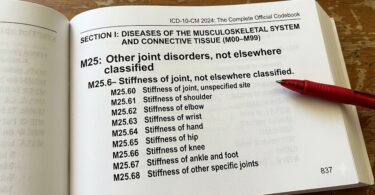
The International Classification of Diseases, Tenth Revision, Clinical Modification (ICD-10-CM) is the standard system used in the United States to classify and code all diagnoses, symptoms, and procedures recorded in conjunction with hospital care. Think of it as a vast, highly organized dictionary for diseases and health problems. Each condition is assigned a unique alphanumeric code.
The importance of ICD-10 coding cannot be overstated. It serves several critical functions:
-
Billing and Reimbursement: Insurance companies use ICD-10 codes to determine whether a medical service (e.g., a colonoscopy, a hospital stay) was medically necessary. The correct code is essential for the healthcare provider to receive payment.
-
Epidemiology and Public Health: By analyzing coded data, health organizations can track the incidence and prevalence of diseases, identify outbreaks, and allocate resources effectively. For example, tracking codes for colon cancer can help public health officials assess screening program effectiveness.
-
Clinical Research: Researchers rely on aggregated coded data to study disease patterns, treatment outcomes, and drug safety.
-
Quality Measurement and Healthcare Analytics: Hospitals and health systems use coding data to measure the quality of care, identify areas for improvement, and track patient safety indicators.
From Symptom to Specificity: The Philosophy of ICD-10
A key advancement of ICD-10 over its predecessor (ICD-9) is its dramatic increase in specificity. Where ICD-9 had a single, broad code for “blood in stool,” ICD-10 offers multiple codes that distinguish between the type of bleeding, its underlying cause, and its location. This specificity allows for a much richer and more accurate representation of the patient’s condition, which in turn leads to better data for all the functions listed above.
3. The Clinical Picture of Blood in Stool: A Primer for Coders
To code accurately, a coder must have a fundamental understanding of the clinical concepts involved. For blood in stool, the most important distinction is between the three main presentations.
Hematochezia: Bright Red Blood
Hematochezia refers to the passage of bright red blood or maroon-colored blood from the rectum. It typically indicates bleeding from the lower gastrointestinal (GI) tract, which includes the colon, rectum, and anus. The blood is red because it has not been extensively digested.
Common causes include:
-
Hemorrhoids (swollen blood vessels in the anus or rectum)
-
Anal fissures (small tears in the lining of the anus)
-
Diverticulosis (bleeding from small pouches in the colon wall)
-
Inflammatory Bowel Disease (IBD) like ulcerative colitis
-
Colorectal polyps or cancer
https://i.imgur.com/placeholder-digestive-system-lower.png
Caption: Hematochezia typically originates from bleeding in the lower GI tract, from the colon down to the anus.
Melena: Dark, Tarry Stools
Melena describes black, tarry, and foul-smelling stools. This appearance results from the digestion of blood by enzymes and bacteria in the upper GI tract (esophagus, stomach, or first part of the small intestine). The hemoglobin in the blood is broken down into hematin, which is black.
Common causes include:
-
Peptic ulcers (in the stomach or duodenum)
-
Gastritis (inflammation of the stomach lining)
-
Esophageal varices (enlarged veins in the esophagus, often related to liver disease)
-
Mallory-Weiss tears (tears in the esophagus from severe vomiting)
https://i.imgur.com//placeholder-digestive-system-upper.png
Caption: Melena is characteristic of bleeding from the upper GI tract, where blood is exposed to digestive processes.
Occult Bleeding: The Hidden Blood
Occult gastrointestinal bleeding is not visible to the naked eye. The blood loss is so minimal that it does not change the stool’s appearance. It is typically detected through a fecal occult blood test (FOBT) or a fecal immunochemical test (FIT), which are common screening tools for colorectal cancer.
Key takeaway for coders: The type of blood observed is the primary factor in selecting the correct ICD-10 code. Documentation stating “bright red blood per rectum” points toward one set of codes, while “melena” points directly to another.
4. Navigating the ICD-10-CM Index: Your Starting Point
The ICD-10-CM manual is composed of two main parts: the Alphabetical Index and the Tabular List. The proper approach is to always start in the Index and then verify the code in the Tabular List, where you will find inclusion and exclusion notes that are critical for accuracy.
The Logical Path of the Index
Under the main term Bleeding, you will find numerous subterms. The most direct path is often to look for the main term Blood and then the subterm stool. The index will guide you to the appropriate codes.
-
Blood, bloody
-
stool R19.5
-
melena K92.1
-
occult R19.5
-
This simple index entry reveals the two primary codes we will explore in depth. However, the index also provides pathways for when the bleeding is a documented manifestation of a specific disease.
5. The Core Codes: A Deep Dive into K92.1 and R19.5
K92.1: Melena – The Code for Upper GI Bleeding
K92.1 is a specific code for melena. It is classified under Chapter 11 of ICD-10-CM: “Diseases of the Digestive System” (K00-K95). The code’s categorization here is important; it treats melena not just as a symptom but as a diagnosis in its own right when the underlying cause is not yet known or is the primary reason for the encounter.
Clinical Scenarios and Coding Examples:
-
Scenario: A 55-year-old male presents to the emergency room complaining of black, tarry stools for two days. The physician’s final diagnosis is “melena, likely secondary to peptic ulcer disease, to be ruled out.”
-
Coding: In this scenario, the confirmed finding is melena. Until a definitive cause is established, K92.1 is the correct code. You would not code the “rule-out” peptic ulcer.
-
-
Scenario: A patient is admitted to the hospital for a severe upper GI bleed. The admission note documents “active melena.”
-
Coding: K92.1 would be assigned for the admission. After an endoscopy confirms a bleeding duodenal ulcer, you would then add the code for the ulcer (K26.0 for acute duodenal ulcer with hemorrhage).
-
Exclusions and Differentiations:
It is crucial to note that K92.1 should not be used if the melena is confirmed to be due to a specific underlying condition that is being treated. In those cases, you code the underlying condition. The ICD-10 guidelines often instruct to “Code also” the underlying disease.
R19.5: Other fecal abnormalities – The Home for Hematochezia and Occult Blood
R19.5 is a much broader code. It is found in Chapter 18 of ICD-10-CM: “Symptoms, Signs, and Abnormal Clinical and Laboratory Findings, Not Elsewhere Classified” (R00-R99). This chapter is reserved for symptoms for which a more specific diagnosis has not been established.
R19.5 encompasses:
-
Hematochezia (bright red blood per rectum)
-
Occult blood in stool (confirmed by testing)
-
Other unspecified fecal abnormalities
Clinical Scenarios and Coding Examples:
-
Scenario: A 40-year-old woman sees her primary care physician for a routine physical. A fecal immunochemical test (FIT) returns positive. The diagnosis is “occult blood in stool.”
-
Coding: R19.5 is the appropriate code. This finding will likely lead to a referral for a colonoscopy.
-
-
Scenario: A patient presents to a clinic with complaints of “bright red blood on the toilet paper.” The physician performs a quick exam and diagnoses “likely hemorrhoidal bleeding,” but defers a full workup.
-
Coding: If the documentation is not definitive, R19.5 is the safest code. However, if the physician explicitly documents “hemorrhoids,” you must code that instead (K64.-).
-
-
Scenario: An elderly patient is seen for weakness and anemia. The note states “hematochezia,” but no source is identified during the encounter.
-
Coding: R19.5 is correct.
-
The Importance of Documentation Specificity:
R19.5 is often considered a “default” code. Its use highlights a lack of diagnostic specificity. The coder’s goal should always be to find a more precise code if the documentation supports it.
6. Beyond the Basics: When Blood is a Manifestation of a Specific Disease
This is where ICD-10’s specificity truly shines. When a definitive cause for the bleeding is documented, that condition must be coded first, and the bleeding is often an inherent component of that code.
Chapter 11: Diseases of the Digestive System (K00-K95)
This chapter contains the codes for the most common causes of rectal bleeding.
Hemorrhoids (K64.-)
Hemorrhoids are a leading cause of hematochezia. The codes are highly specific.
-
K64.0: First degree hemorrhoids
-
K64.1: Second degree hemorrhoids
-
K64.2: Third degree hemorrhoids
-
K64.3: Fourth degree hemorrhoids
-
K64.8: Other specified hemorrhoids
-
K64.9: Unspecified hemorrhoids
Coding Note: If the provider documents “bleeding hemorrhoids,” you code only the specific type of hemorrhoid (e.g., K64.1). The bleeding is an integral part of the diagnosis.
Anal Fissure (K60.-)
-
K60.0: Acute anal fissure
-
K60.1: Chronic anal fissure
-
K60.2: Anal fissure, unspecified
Similar to hemorrhoids, if the fissure is documented as the cause of bleeding, you code only the fissure.
Diverticular Disease (K57.-)
Diverticulosis (the presence of pouches) can lead to diverticulitis (inflammation) and bleeding. The codes specify location and the presence of bleeding or abscess.
-
K57.31: Diverticulosis of large intestine with bleeding
-
K57.51: Diverticulosis of both small and large intestine with bleeding
Coding Note: These codes explicitly include the bleeding, so you would not additionally code R19.5.
Inflammatory Bowel Disease (IBD) – Crohn’s Disease (K50.-) and Ulcerative Colitis (K51.-)
These conditions are characterized by inflammation that often causes bloody diarrhea. The codes are detailed, specifying the part of the intestine affected and the presence of complications.
-
Ulcerative Colitis Example: K51.411 – Ulcerative proctitis with rectal bleeding
-
Crohn’s Disease Example: K50.014 – Crohn’s disease of small intestine with rectal bleeding
Again, the bleeding is an inherent part of the code.
Angiodysplasia (K55.21)
This is a vascular abnormality of the colon that can cause painless bleeding.
-
K55.21: Angiodysplasia of colon with hemorrhage
Chapter 2: Neoplasms (C00-D49)
If the bleeding is determined to be caused by a tumor, the neoplasm code takes precedence.
Malignant Neoplasms of the Colon (C18.-), Rectum (C19), and Anus (C21.-)
-
Example: A colonoscopy and biopsy confirm adenocarcinoma of the sigmoid colon, which has been causing hematochezia.
-
Code: C18.7 – Malignant neoplasm of sigmoid colon. You would not code R19.5 separately, as the bleeding is a direct symptom of the cancer.
-
Other Relevant Chapters
Bleeding Disorders (D50-D89)
If a patient with hemophilia (D66) or another coagulation defect presents with GI bleeding, the underlying bleeding disorder is the primary code. You would then add a code for the GI manifestation (e.g., K92.1 or R19.5) if it is not already inherent in another code.
Adverse Effects of Medications
Certain medications, like NSAIDs (e.g., ibuprofen, aspirin) or anticoagulants (e.g., warfarin), can cause GI bleeding. Coding this requires multiple codes:
-
The code for the adverse effect (e.g., K25.0 – Acute gastric ulcer with hemorrhage, if an NSAID caused an ulcer).
-
The code for the drug (from the T36-T50 series with a fifth or sixth character of 5).
-
Example: T45.515A – Adverse effect of anticoagulants, initial encounter.
7. The Critical Role of Documentation: A Partnership Between Clinician and Coder
Accurate coding is impossible without clear, precise, and complete clinical documentation. The medical record is the source of truth. Coders are not permitted to assume or infer diagnoses.
Key Elements for High-Quality Documentation
For bleeding, the documentation should ideally include:
-
Type of Blood: Is it hematochezia, melena, or occult?
-
Quantity and Frequency: “A few drops on the toilet paper” vs. “maroon-colored stools multiple times a day.”
-
Temporal Relationship: When did it start? Is it constant or intermittent?
-
Associated Symptoms: Pain, weight loss, dizziness, weakness?
-
Likely or Confirmed Etiology: “Bleeding internal hemorrhoids observed on anoscopy.” or “Melena, likely from gastritis.”
Querying the Provider: When and How
When documentation is conflicting, ambiguous, or incomplete, the coder’s responsibility is to issue a physician query. This is a formal process of asking the provider for clarification.
-
Example of a Query: “The discharge summary states the patient was admitted for hematochezia. The procedure note from the colonoscopy states ‘bleeding diverticulum was cauterized.’ However, the final diagnosis listed is only ‘hematochezia.’ Can you clarify the definitive diagnosis for this encounter?”
8. Coding Scenarios: From Patient Chart to Accurate Code
Let’s apply our knowledge to realistic patient cases.
Scenario 1: The Routine Colonoscopy Follow-Up
-
Presentation: A 60-year-old patient follows up with their gastroenterologist after a screening colonoscopy. The colonoscopy report states: “A single 8mm pedunculated polyp was found in the ascending colon and removed. Pathology returns as a tubular adenoma. No other abnormalities. The patient had a positive FIT test that prompted the colonoscopy.”
-
Documentation: Final Diagnosis: 1. Benign colonic polyp, removed. 2. History of occult blood in stool.
-
Coding Analysis: The reason for the encounter is the follow-up on the positive FIT (R19.5) and the findings. The definitive finding is the benign polyp. The code for a benign neoplasm of the colon is D12.2 (Benign neoplasm of ascending colon). Since the polyp has been removed and was the cause of the occult blood, R19.5 is not coded as it is no longer a current active issue. The history of occult blood is not coded as it is a history/resolved problem.
-
Final Code: D12.2
Scenario 2: The Emergency Room Visit
-
Presentation: A 70-year-old man on warfarin for atrial fibrillation presents to the ER with dizziness and several episodes of large-volume bright red blood per rectum. His hemoglobin is low. The ER physician stabilizes him and consults gastroenterology.
-
Documentation: Final Diagnoses: 1. Severe hematochezia. 2. Severe anemia due to acute blood loss. 3. On anticoagulation therapy.
-
Coding Analysis: The primary reason for the ER visit is the active bleeding. Since no definitive source is identified in the ER (e.g., no bedside anoscopy was done), the symptom code is used. The anemia is a direct consequence. The anticoagulation is a factor but not the adverse effect itself (the bleeding could be from a polyp, not directly from the drug).
-
Final Codes: R19.5 (Hematochezia), D62 (Acute posthemorrhagic anemia). The code for the long-term use of anticoagulants (Z79.01) may also be added.
Scenario 3: The Complicated Inpatient
-
Presentation: The patient from Scenario 2 is admitted. A colonoscopy reveals severe diverticulosis with a visible vessel in a diverticulum in the sigmoid colon, which was actively bleeding. The bleeding is controlled with epinephrine injection and cautery.
-
Documentation: Discharge Summary Final Diagnoses: 1. Acute lower GI hemorrhage from diverticulosis of the sigmoid colon. 2. Status post successful endoscopic hemostasis. 3. Acute blood loss anemia, resolved.
-
Coding Analysis: A definitive cause has been established. The code for diverticulosis with bleeding is specific.
-
Final Code: K57.31 (Diverticulosis of large intestine with bleeding). The anemia (D62) may still be coded as it was a monitored condition during the stay.
9. Common Coding Pitfalls and How to Avoid Them
-
Confusing Melena and Hematochezia: Always refer to the documentation. Do not assume based on the term “blood.” If the documentation says “black stool,” code it as melena (K92.1). If it says “red blood,” code it as R19.5.
-
Defaulting to a Symptom Code When a Definitive Diagnosis Exists: This is the most common error. Always check if the provider has documented a cause (e.g., hemorrhoids, ulcer, cancer). The definitive diagnosis code almost always replaces the symptom code.
-
Misinterpreting “Rule-Out” Diagnoses: You cannot code a diagnosis that is “probable,” “suspected,” or “rule-out.” You code only the confirmed signs and symptoms. If a patient is admitted for “rule-out GI bleed,” and the only finding is melena, you code K92.1, not a code for a suspected ulcer.
10. The Impact of Accurate Coding: Beyond Reimbursement
While correct billing is a primary driver, accurate coding’s impact is far broader. When we correctly code a case of diverticular bleeding (K57.31) instead of a generic “blood in stool” (R19.5), we contribute to a data ecosystem that allows public health officials to accurately track the burden of diverticular disease. Researchers can identify risk factors and compare treatment outcomes more effectively. Hospitals can accurately report their quality metrics for managing GI bleeds. In essence, every accurately assigned code is a pixel that helps create a clearer picture of the health of a population.
11. FAQs: Frequently Asked Questions About Coding Blood in Stool
Q1: What is the default code if the provider simply documents “blood in stool” with no other details?
A1: The safest default code is R19.5 (Other fecal abnormalities). This covers hematochezia and unspecified bleeding. If the documentation suggests it could be melena (e.g., “black stools”), a query to the provider for clarification is the best practice.
Q2: When should I use both a definitive diagnosis code and a symptom code (like R19.5 or K92.1)?
A2: Almost never. If a definitive diagnosis that explains the symptom is coded, the symptom code is redundant and should not be used. For example, if the diagnosis is “bleeding internal hemorrhoids,” you code only K64.-, not K64.- and R19.5. The bleeding is included in the hemorrhoid code.
Q3: How do I code a positive fecal occult blood test (FOBT/FIT)?
A3: A positive test without a known source is coded as R19.5 (Occult blood). This is the reason for the test and may be the reason for a subsequent encounter (e.g., a referral for a colonoscopy).
Q4: A patient has colon cancer and presents with rectal bleeding. Do I code both the cancer and R19.5?
A4: No. You code only the colon cancer (e.g., C18.7 for sigmoid colon cancer). The rectal bleeding is a direct symptom of the cancer. Adding R19.5 would be incorrect as it is considered part of the neoplastic disease process.
Q5: What is the correct code for bleeding from an anal fissure?
A5: You code only the anal fissure (e.g., K60.0 for acute anal fissure). The code for the fissure encompasses the common symptom of bleeding. Do not add an additional code for the bleeding.
12. Conclusion: The Code as a Critical Clue
Navigating ICD-10 codes for blood in stool requires a blend of analytical skill and clinical understanding. The journey begins with recognizing the critical distinction between melena and hematochezia, leading to the primary codes of K92.1 and R19.5. True coding accuracy, however, is achieved by diligently searching the documentation for a definitive underlying cause, which then takes precedence. This process ensures that the patient’s story is not just recorded, but accurately understood within the vast data-driven landscape of modern healthcare.
13. Additional Resources
-
Centers for Medicare & Medicaid Services (CMS) ICD-10-CM Official Guidelines for Coding and Reporting: https://www.cms.gov/medicare/coding-billing/icd-10-cm (The essential rulebook for all coders).
-
CDC National Center for Health Statistics (NCHS) ICD-10-CM: https://www.cdc.gov/nchs/icd/icd-10-cm.htm (Provides access to the official code set and updates).
-
American Health Information Management Association (AHIMA): https://www.ahima.org/ (A premier association for health information professionals offering education, certifications, and resources).
-
American Academy of Professional Coders (AAPC): https://www.aapc.com/ (A leading organization for medical coding training, certification, and local chapter networking).
Disclaimer: This article is for informational purposes only and is not a substitute for professional medical advice, diagnosis, or treatment. Always seek the advice of your physician or other qualified health provider with any questions you may have regarding a medical condition. The ICD-10 codes provided are for educational illustration and may not reflect the most current updates. Medical coders must always consult the most recent, official ICD-10-CM coding manuals and guidelines.
Date: September 22, 2025
Author: AI-Assisted Medical Content Specialist