In the intricate symphony of human physiology, electrolytes act as the conductors, ensuring every cellular process hits the right note. Among them, magnesium—the fourth most abundant cation in the body—often plays a silent, understated role. Yet, its deficiency, known as hypomagnesemia, can disrupt the entire orchestra, leading to a cascade of clinical consequences ranging from benign muscle cramps to life-threatening cardiac arrhythmias. For healthcare providers, diagnosing and treating this condition is a critical task. But in the parallel universe of medical administration, where patient care meets data science, a different kind of precision is required: the accurate and nuanced application of the International Classification of Diseases, Tenth Revision (ICD-10) codes.
The code for hypomagnesemia, E83.42, is more than just a alphanumeric string in an electronic health record (EHR). It is a powerful data point that tells a story. It influences hospital reimbursement, drives public health statistics, informs clinical research, and impacts quality metrics. However, the story told by E83.42 alone is often incomplete and can be misleading. Hypomagnesemia is rarely a primary disease; it is almost always a symptom, a consequence of another underlying process. Was it caused by a potent diuretic prescribed for heart failure? Is it a chronic complication of Crohn’s disease? Or is it the result of renal wasting from a rare genetic disorder?
This article embarks on a comprehensive journey into the world of ICD-10 codes for hypomagnesemia. We will move beyond a superficial glance at the code itself and delve into the complex layers of its application. Our mission is to equip coders, clinicians, healthcare administrators, and students of health informatics with the knowledge to not only identify the correct code but to contextualize it within the full clinical narrative. We will explore the imperative of coding for etiology, navigate the treacherous waters of drug-induced conditions, tackle documentation challenges, and examine real-world case studies. By mastering the nuances of coding for this “silent electrolyte,” we can ensure that the data we generate is as precise and meaningful as the clinical care we strive to provide, ultimately contributing to better patient outcomes and a more robust healthcare system.
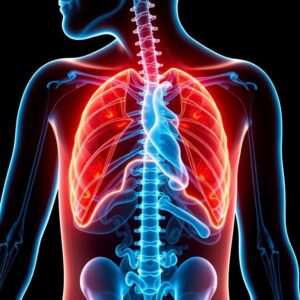
ICD-10 codes for hypomagnesemia
2. Decoding the Code: A Deep Dive into E83.42
At the heart of our discussion lies the code E83.42 – Hypomagnesemia. To understand its proper use, one must first understand its structure and placement within the vast ICD-10-CM taxonomy.
The Structure and Meaning of E83.42
The ICD-10-CM system is hierarchical and logical. Let’s break down E83.42:
-
Chapter E00-E89: This signifies the chapter for “Endocrine, nutritional, and metabolic diseases.” This placement immediately tells us that hypomagnesemia is classified fundamentally as a disorder of metabolism.
-
Category E83: This category is dedicated to “Disorders of mineral metabolism.” This group includes disorders of iron, copper, zinc, and other minerals, firmly placing magnesium in this essential group.
-
Subcategory E83.4: This refers specifically to “Disorders of magnesium metabolism.” This subcategory contains codes for both deficiency and excess.
-
Code E83.42: This is the final, billable code for Hypomagnesemia.
-
Excludes1 Note: A critical component of ICD-10 coding is paying attention to the “Excludes” notes. For E83.4, there is an “Excludes1” note for hungry bone syndrome (E83.81). An Excludes1 note indicates that the two conditions are mutually exclusive and should not be coded together. Hungry bone syndrome is a specific condition where hypomagnesemia can occur post-parathyroidectomy, but the root cause is the syndrome itself, and it has its own distinct code.
It is also vital to note what E83.42 is not. It is not used for:
-
Abnormal blood magnesium levels without a diagnosed disorder: A marginally low magnesium level that is not considered clinically significant by the provider should not be coded.
-
Familial hypomagnesemia: There are specific codes for genetic disorders, such as E83.41 – Hypermagnesemia and codes within the E83.4 subcategory for other specified disorders. A separate code, N25.81 – Other disorders resulting from impaired renal tubular function, can be used for certain familial magnesium-wasting conditions like Gitelman syndrome, often in conjunction with E83.42.
The Chapter of Endocrine, Nutritional, and Metabolic Diseases (E00-E89)
The placement of hypomagnesemia in this chapter is significant. It underscores that magnesium balance is a core metabolic function, regulated by intricate hormonal and organ-based systems (primarily the gut and the kidneys). When coding E83.42, the coder is essentially classifying a failure of this metabolic homeostasis.
3. Beyond the Primary Code: The Critical Role of Etiology
This is the single most important concept in accurately coding hypomagnesemia. Coding E83.42 without addressing its cause is like describing a fever without identifying the infection. The underlying etiology is not just a secondary detail; it is often the primary driver of the patient’s condition, treatment, and resource utilization.
The “Code First” and “Use Additional Code” Imperative
ICD-10 guidelines frequently instruct coders to “code first” the underlying disease, and “use additional code” for the manifestation. While E83.42 does not always have a formal “code first” note attached to it, the principle remains a gold standard of accurate coding. The etiology code provides the “why,” and E83.42 provides the “what.”
Drug-Induced Hypomagnesemia: A Coding Labyrinth
Medications are a leading cause of hypomagnesemia. The coding approach depends on the intent and context of drug use.
-
Adverse Effect: This is when a drug is taken correctly as prescribed, but an unintended, harmful reaction occurs. In this case, you would code:
-
The nature of the adverse effect: E83.42 – Hypomagnesemia.
-
The causative drug, using codes from the T36-T50 categories with a fifth or sixth character 5 (e.g., T50.1X5A – Adverse effect of loop diuretics, initial encounter).
-
-
Poisoning or Overdose: This applies when a drug is taken in error, accidentally, or intentionally in excess of the prescribed dose. The coding would involve:
-
The poisoning code from T36-T50 with a fifth or sixth character 1-4 (e.g., T50.1X1A – Poisoning by loop diuretics, accidental, initial encounter).
-
The manifestation: E83.42 – Hypomagnesemia.
-
Common drug classes causing hypomagnesemia include:
-
Loop Diuretics (Furosemide, Bumetanide): T50.1X5A
-
Thiazide Diuretics (Hydrochlorothiazide): T50.2X5A
-
Proton Pump Inhibitors (Omeprazole, Pantoprazole): T47.1X5A (Adverse effect of drugs primarily affecting gastric secretion and gastrointestinal motility)
-
Aminoglycosides (Gentamicin): T36.5X5A
-
Chemotherapeutic Agents (Cisplatin): T45.1X5A (Adverse effect of antineoplastic antibiotics)
Gastrointestinal Losses: A Common Pathway
The gut is a primary site for magnesium absorption. Any condition that causes chronic diarrhea, malabsorption, or fistulas can lead to hypomagnesemia.
-
Inflammatory Bowel Disease (IBD): Code first K50.- for Crohn’s disease or K51.- for Ulcerative colitis, then E83.42.
-
Celiac Disease: Code first K90.0 – Celiac disease, then E83.42.
-
Chronic Pancreatitis: Code first K86.1 – Other chronic pancreatitis, then E83.42.
-
Short Bowel Syndrome: Code first K91.2 – Postsurgical malabsorption, not elsewhere classified, then E83.42.
Renal Losses: When the Kidneys Are the Culprit
The kidneys are responsible for magnesium reabsorption. Tubular disorders can lead to excessive urinary wasting.
-
Gitelman Syndrome: This is a genetic renal tubular disorder. The correct code is often N25.81 – Other disorders resulting from impaired renal tubular function, which can be used to represent this syndrome. E83.42 would be an additional code to specify the hypomagnesemia manifestation.
-
Bartter Syndrome: Similar to Gitelman, it is coded to N25.89 – Other specified disorders resulting from impaired renal tubular function.
-
Acute Tubular Necrosis (ATN): Code first N17.0 – Acute kidney failure with tubular necrosis, then E83.42.
-
Diuretic Use (as discussed under drug-induced).
Other Underlying Causes: From Malnutrition to Rare Syndromes
-
Alcohol Use Disorder: Chronic alcoholism is a major cause due to poor intake, diarrhea, and renal wasting. Code first F10.20 – Alcohol dependence, uncomplicated (or other specific alcohol-related disorder codes), then E83.42.
-
Hungry Bone Syndrome: As noted under Excludes1, this is coded separately as E83.81.
-
Malnutrition: Code first the appropriate malnutrition code (e.g., E43 – Unspecified severe protein-calorie malnutrition, E46 – Unspecified protein-calorie malnutrition), then E83.42.
4. Navigating Documentation Challenges: Bridging the Gap between Clinician and Coder
The accuracy of any code is entirely dependent on the quality of the clinician’s documentation. Ambiguity in the medical record is the primary source of coding errors and audit failures.
The Problem of “Probable,” “Suspected,” and “Rule Out”
ICD-10 guidelines are explicit: Do not code diagnoses that are uncertain, probable, or suspected. In the outpatient setting, this means if a physician documents “probable hypomagnesemia” or “rule out hypomagnesemia,” the coder cannot assign E83.42. They must code the reason for the encounter (e.g., symptoms like R25.2 – Cramp and spasm, or Z13.89 – Encounter for screening for other disorder) or the established diagnosis being managed. In the inpatient setting, the same rule applies for diagnoses documented at the time of discharge.
The Importance of Specificity in Physician Documentation
Coders rely on physicians to be specific. The following documentation practices are invaluable:
-
Linking the Cause and Effect: Instead of just listing “hypomagnesemia,” documenting “hypomagnesemia secondary to furosemide use” or “hypomagnesemia due to Crohn’s flare” provides direct causal linkage.
-
Specifying the Drug: Documenting the specific drug name (e.g., “furosemide-induced hypomagnesemia”) is far better than just stating “diuretic-induced.”
-
Clarifying Chronicity: While there is no specific ICD-10 code for “chronic hypomagnesemia,” documenting it as a chronic issue can support medical necessity for ongoing treatment and monitoring.
5. Clinical Context and Comorbidities: Painting a Complete Picture
Hypomagnesemia does not exist in a vacuum. It has profound interactions with other electrolytes, and its clinical manifestations are critical to code.
Hypomagnesemia and Hypokalemia: The Inseparable Duo
Magnesium is crucial for potassium channel function in the kidneys. Severe hypomagnesemia often causes refractory hypokalemia (low potassium) that is difficult to correct until the magnesium is repleted. In this scenario, a coder would assign:
-
E83.42 – Hypomagnesemia
-
E87.6 – Hypokalemia
The Calcium Connection: Hypomagnesemia and Hypocalcemia
Magnesium is required for the release of Parathyroid Hormone (PTH). Severe hypomagnesemia can lead to functional hypoparathyroidism and consequent hypocalcemia (low calcium). The codes would be:
-
E83.42 – Hypomagnesemia
-
E83.51 – Hypocalcemia
Coding for Associated Manifestations (e.g., Arrhythmias, Seizures)
The most serious consequences of hypomagnesemia are its effects on the nervous and cardiac systems.
-
Cardiac Arrhythmia: If a patient has hypomagnesemia and develops torsades de pointes or another ventricular arrhythmia, code:
-
The arrhythmia first (e.g., I47.2 – Ventricular tachycardia).
-
Then E83.42.
-
-
Seizures: If hypomagnesemia leads to a seizure, code:
-
The seizure (R56.9 – Unspecified convulsions or a more specific type if known).
-
Then E83.42.
-
6. A Practical Guide: Coding Scenarios and Case Studies
Let’s apply our knowledge to realistic patient cases.
Case Study 1: The Diuretic User
-
Scenario: A 68-year-old female with a history of congestive heart failure presents with generalized weakness and muscle cramps. Her lab work reveals a magnesium level of 1.2 mg/dL (severe hypomagnesemia) and hypokalemia. She is on furosemide 80mg daily for her heart failure.
-
Documentation: “Admission for severe hypomagnesemia and hypokalemia, likely an adverse effect of her chronic furosemide therapy for systolic heart failure.”
-
Correct Codes:
-
I50.20 – Unspecified systolic (congestive) heart failure (The underlying condition for which the drug was prescribed).
-
T50.1X5A – Adverse effect of loop diuretics, initial encounter (The causative drug).
-
E83.42 – Hypomagnesemia (The manifestation).
-
E87.6 – Hypokalemia (An associated manifestation).
-
Case Study 2: The Patient with Crohn’s Disease
-
Scenario: A 35-year-old male with a known history of Crohn’s disease is admitted with a severe flare, characterized by 10-12 watery stools per day. He develops paresthesia and a positive Chvostek’s sign. Labs show hypomagnesemia and hypocalcemia.
-
Documentation: “Patient admitted for acute exacerbation of Crohn’s disease. Developed hypomagnesemia and secondary hypocalcemia due to profound diarrhea from the flare.”
-
Correct Codes:
-
K50.014 – Crohn’s disease of small intestine with rectal bleeding (or other specific site and complication). (Code First)
-
E83.42 – Hypomagnesemia.
-
E83.51 – Hypocalcemia.
-
Case Study 3: Acute Alcohol Intoxication
-
Scenario: A 45-year-old male is brought to the ER after being found confused. He has a history of chronic alcohol use. ER labs show a magnesium level of 1.0 mg/dL and hypokalemia.
-
Documentation: “Patient presents with altered mental status and severe electrolyte disturbances (hypomagnesemia, hypokalemia) in the context of acute alcohol intoxication and chronic alcohol dependence.”
-
Correct Codes:
-
F10.129 – Alcohol abuse with intoxication, uncomplicated (or F10.229 for dependence with intoxication). (Code First for the acute reason for encounter)
-
E83.42 – Hypomagnesemia.
-
E87.6 – Hypokalemia.
-
Case Study 4: Cisplatin-Induced Hypomagnesemia
-
Scenario: A 60-year-old female receiving cisplatin chemotherapy for ovarian cancer has her routine labs drawn before her third cycle. She is asymptomatic, but her magnesium level is critically low at 1.1 mg/dL. She is admitted for IV magnesium replacement.
-
Documentation: “Admission for symptomatic hypomagnesemia, an adverse effect of cisplatin chemotherapy.”
-
Correct Codes:
-
C56.9 – Malignant neoplasm of ovary, unspecified (The underlying cancer).
-
T45.1X5A – Adverse effect of antineoplastic and immunosuppressive drugs, initial encounter.
-
E83.42 – Hypomagnesemia.
-
7. The Financial and Compliance Implications of Accurate Coding
Using E83.42 correctly is not an academic exercise; it has real-world consequences.
-
Impact on Reimbursement and DRG Assignment: In the inpatient setting, diagnoses are used to assign a Diagnosis-Related Group (DRG), which determines the fixed payment the hospital receives. A complex case of hypomagnesemia caused by Crohn’s disease (a MCC – Major Complication/Comorbidity) will yield a higher reimbursement than a simple, uncomplicated case. Missing the underlying etiology code can lead to underpayment. Conversely, incorrectly coding hypomagnesemia when it is not supported by documentation can be considered “upcoding” and lead to overpayment, which must be returned.
-
Audit Risks and Compliance Concerns: Both internal and external (e.g., RAC, MAC) auditors scrutinize coding patterns. A record with E83.42 coded without a clear, documented etiology is a red flag. It suggests the coder may not have understood the clinical picture or that the physician’s documentation is insufficient. This can lead to claim denials, financial penalties, and damage to the organization’s compliance profile.
8. The Future of Coding: A Glimpse Beyond ICD-10
The World Health Organization (WHO) has already released ICD-11, which will eventually be adopted in the United States (likely as ICD-11-CM). In ICD-11, the coding structure becomes more granular and logically detailed.
The code for hypomagnesemia in ICD-11 is 5B75.0. The significant advantage is that ICD-11 allows for “cluster coding” or “post-coordination,” where you can combine a base code with “extension codes” to build a highly specific clinical concept in a single entry. For example, you could potentially link 5B75.0 (Hypomagnesemia) directly to a code for “drug-induced disorder” and the specific drug, all in a more structured way than the current ICD-10 system. This promises even greater precision in capturing the full context of conditions like hypomagnesemia.
9. Conclusion: Mastering the Nuances for Optimal Patient Care and Administrative Excellence
The ICD-10 code E83.42 for hypomagnesemia is a small but critical piece of the healthcare data puzzle. Its accurate application requires a deep understanding that it is a manifestation, not a final diagnosis. Precision in coding demands a relentless focus on the underlying etiology, whether it be a drug, a gastrointestinal disorder, a renal defect, or another primary condition. By bridging the communication gap between clinicians and coders, adhering to official guidelines, and appreciating the financial and compliance landscape, healthcare organizations can ensure that the story told by their data is complete, accurate, and ultimately, a catalyst for improved patient care and operational integrity.
10. Frequently Asked Questions (FAQs)
Q1: Can I code E83.42 if the magnesium level is only slightly low and the physician doesn’t mention it in the assessment?
A: No. Coding should reflect the provider’s diagnosed conditions. A lab value alone, without a clinical diagnosis, is not sufficient to assign a code.
Q2: What is the difference between an “adverse effect” and “poisoning” for drug-induced hypomagnesemia?
A: An “adverse effect” occurs when a drug is taken correctly as prescribed. “Poisoning” implies an overdose, wrong drug given or taken in error, or a deliberate misuse.
Q3: How do I code for a patient with chronic, stable hypomagnesemia from Gitelman syndrome?
A: You would typically code N25.81 (for the Gitelman syndrome) as the primary diagnosis, and you may also code E83.42 to specify the persistent hypomagnesemia, depending on the reason for the encounter and payer guidelines.
Q4: The physician documented “likely hypomagnesemia” in the discharge summary. Can I code it?
A: No. Terms like “likely,” “probable,” or “suspected” are considered uncertain and should not be coded in the inpatient setting upon discharge. Code only the confirmed diagnoses.
Q5: Is there a specific code for “refractory hypomagnesemia”?
A: No, there is not. You would still use E83.42. The “refractory” nature would be captured in the clinical documentation and could support the medical necessity for more intensive treatments.
11. Additional Resources
For the most accurate and up-to-date information, always consult these primary sources:
-
The Official ICD-10-CM Guidelines for Coding and Reporting: Published annually by the Centers for Disease Control and Prevention (CDC) and the Centers for Medicare & Medicaid Services (CMS). This is the definitive rulebook.
-
The ICD-10-CM Code Set: Available through the CDC’s website or via commercial coding software and books.
-
American Health Information Management Association (AHIMA): Provides professional resources, practice briefs, and continuing education on coding best practices.
-
American Academy of Professional Coders (AAPC): Another leading organization offering certification, training, and resources for medical coders.
-
National Institutes of Health (NIH) – Genetic and Rare Diseases Information Center: Useful for understanding and coding rare causes of hypomagnesemia like Gitelman and Bartter syndromes.
Date: October 3, 2025
Author: The Health Informatics Team
Disclaimer: The information contained in this article is intended for educational and informational purposes only. It is not a substitute for professional medical advice, diagnosis, or treatment. Always seek the advice of your physician or other qualified health provider with any questions you may have regarding a medical condition or coding practice. The author and publisher are not responsible for any errors or omissions or for any outcomes related to the use of this information. Coding guidelines are subject to change; always refer to the most current official ICD-10-CM coding manual and payer-specific directives.