Imagine the most fundamental resource for life, the very element that powers every cell in the human body, suddenly becoming scarce. This is the reality of hypoxia—a state of insufficient oxygen supply to the tissues. It is not a disease in itself, but a potentially catastrophic consequence of a vast array of medical conditions, from a severe asthma attack to a massive pulmonary embolism, from carbon monoxide poisoning to a climb up Mount Everest. Hypoxia is a medical emergency that can silently compromise organ function, leading to irreversible damage within minutes, with the brain being the most vulnerable. In the intricate world of medical coding, accurately capturing this critical state is paramount. It is not merely an administrative task; it is the process of translating a patient’s physiological crisis into a standardized language that drives clinical decision-making, quality reporting, research, and healthcare reimbursement. This article embarks on a comprehensive journey to demystify the ICD-10 codes for hypoxia. We will move beyond a simple code lookup and delve into the clinical nuances, documentation challenges, and coding strategies that ensure precision, compliance, and ultimately, a true reflection of the patient’s condition.
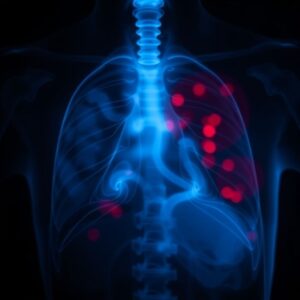
ICD-10 codes for hypoxia
Understanding Hypoxia: More Than Just Shortness of Breath
To code hypoxia correctly, one must first understand its clinical dimensions. Patients may report dyspnea (shortness of breath), but hypoxia is a quantifiable physiological state, often distinct from the patient’s subjective sensation.
The Physiology of Oxygen Delivery
Oxygen delivery (DO₂) to tissues is a complex process governed by a simple equation: DO₂ = Cardiac Output (CO) × Arterial Oxygen Content (CaO₂).
Arterial Oxygen Content itself is primarily determined by the hemoglobin level and its saturation with oxygen (SaO₂). A disruption at any point in this pathway—from the air we breathe to the mitochondria using the oxygen—can lead to hypoxia. This is why a patient with severe anemia can be hypoxic despite normal lungs and a healthy heart, and why a patient with normal oxygen saturation in their blood can still have tissue hypoxia if their cardiac output is critically low.
A Taxonomy of Oxygen Deprivation: The Four Types of Hypoxia
Clinicians classify hypoxia into four main types, a distinction that is crucial for treatment and highly relevant for precise coding.
-
Hypoxemic Hypoxia: This is the most common type and the one most directly referenced by the code R09.02. It is characterized by a low partial pressure of oxygen (PaO₂) in the arterial blood. Causes include:
-
Low Inspired Oxygen: High altitude.
-
Hypoventilation: Drug overdose, neurological disorders.
-
Ventilation/Perfusion (V/Q) Mismatch: Chronic Obstructive Pulmonary Disease (COPD), Asthma, Pneumonia.
-
Right-to-Left Shunt: A structural heart defect where deoxygenated blood bypasses the lungs.
-
-
Circulatory (or Stagnant) Hypoxia: Here, the arterial oxygen content may be normal, but blood flow to the tissues is inadequate. This results in tissues extracting a greater fraction of the delivered oxygen, leading to a low mixed venous oxygen saturation.
-
Causes: Heart failure, shock, vasoconstriction, local arterial obstruction.
-
-
Anemic Hypoxia: The ability of the blood to carry oxygen is reduced due to a deficiency in hemoglobin or its dysfunction.
-
Causes: Iron deficiency anemia, hemorrhage, carbon monoxide poisoning (where CO binds to hemoglobin more strongly than oxygen, forming carboxyhemoglobin), methemoglobinemia.
-
-
Histotoxic Hypoxia: The tissue cells are poisoned and cannot utilize the oxygen delivered to them, even if delivery is normal.
-
Causes: Cyanide poisoning, alcohol intoxication.
-
The Critical Role of ICD-10 in Modern Healthcare
The International Classification of Diseases, Tenth Revision (ICD-10) is the cornerstone of the healthcare information system. Its uses extend far beyond hospital billing.
-
Clinical Care: Provides a standardized language for healthcare providers to communicate about patient diagnoses.
-
Public Health Surveillance: Tracks the incidence and prevalence of diseases, guiding resource allocation and prevention strategies (e.g., monitoring hypoxic events during a severe influenza season).
-
Quality Measurement: Used in pay-for-performance models to assess the quality of care provided for conditions like COPD or heart failure, where hypoxia is a key complication.
-
Research: Enables epidemiological studies by allowing researchers to identify patient populations with specific conditions.
-
Reimbursement: Forms the basis of diagnosis-related groups (DRGs) and other risk-adjusted payment models, directly impacting hospital revenue.
Inaccurate coding for a condition like hypoxia can therefore distort health statistics, hinder research, and lead to significant financial losses or compliance risks for healthcare providers.
Navigating the ICD-10-CM Index for Hypoxia
The first step for a coder is to consult the ICD-10-CM Alphabetic Index. Under “Hypoxia,” you will find a structured pathway.
Hypoxia
-
see also Anoxia
-
cerebral – see Hypoxia, brain
-
brain G93.1
-
newborn P91.60
-
intrauterine – see Distress, fetal
-
newborn P84
-
specified type NEC P84.8
-
tissue – see Hypoxemia
This index entry immediately reveals critical distinctions. It directs you to related terms like “Anoxia” and, most importantly, specifies different codes based on the body system affected (brain) and the patient’s status (newborn). The instruction to “see Hypoxemia” for “tissue” hypoxia is a key cross-reference.
A Deep Dive into the R09.02 Code: Hypoxemia
The code R09.02 is the most frequently used code for hypoxic events in adults. Its official descriptor is “Hypoxemia.”
Clinical Definition and Documentation Requirements
Hypoxemia is specifically defined as a low level of oxygen in the blood, typically measured by arterial blood gas (ABG) analysis. The key parameters are:
-
Partial Pressure of Oxygen (PaO₂): Normal is 80-100 mmHg at sea level. Hypoxemia is generally considered at PaO₂ < 80 mmHg.
-
Oxygen Saturation (SaO₂): Measured by ABG.
-
Peripheral Oxygen Saturation (SpO₂): Measured by pulse oximetry. An SpO₂ of 90-94% is considered mild hypoxemia, while anything below 90% is typically significant and requires intervention.
For a coder to assign R09.02, the physician’s documentation must explicitly state “hypoxemia” or provide clear, objective evidence such as “SpO₂ 88% on room air” or “PaO₂ 55 mmHg.” The term “shortness of breath” or “dyspnea” (R06.02) alone is not sufficient, as these are symptoms that can occur without hypoxemia.
Coding Scenarios and Case Studies
Scenario 1: The Straightforward Case
A 70-year-old male with a history of COPD presents to the ER with increased cough and sputum production. Triage note states: “Patient in moderate respiratory distress, SpO₂ 85% on room air.” The physician’s assessment is “COPD exacerbation with acute hypoxemia.”
-
Coding: J44.1 (COPD with acute exacerbation) and R09.02 (Hypoxemia). The hypoxemia is a component of the exacerbation and is coded additionally.
Scenario 2: The Importance of Specificity
A patient is admitted with severe community-acquired pneumonia. The ABG shows a PaO₂ of 65 mmHg. The physician documents “hypoxic respiratory failure secondary to pneumonia.”
-
Coding: While “hypoxic respiratory failure” might seem to point to R09.02, a more specific code exists. The coder must check the index for Failure, respiratory, acute. This leads to J96.0-(Acute respiratory failure). The physician’s statement of “hypoxic respiratory failure” should be coded with J96.01 if the patient is not hypercapnic (high CO₂) or J96.02 if they are. In this case, J18.9 (Pneumonia, unspecified organism) and J96.01 (Acute respiratory failure with hypoxia) would be assigned. R09.02 would not be used, as it is included in the more specific code J96.01.
Scenario 3: Distinguishing Type
A firefighter is brought in after being rescued from a smoke-filled building. SpO₂ is 92% on a non-rebreather mask, which is lower than expected. Carboxyhemoglobin level is reported at 25%.
-
Coding: This is a case of anemic hypoxia due to carbon monoxide poisoning. The appropriate code is T58.11XA (Toxic effect of carbon monoxide from incomplete combustion of other domestic fuels, accidental (unintentional), initial encounter). The hypoxemia in this context is a manifestation of the poisoning. R09.02 is not typically assigned as the primary diagnosis is the toxic effect itself.
Hypoxia as a Manifestation: The Importance of Underlying Cause Coding
A fundamental principle of ICD-10 coding is the guideline to “code the underlying cause.” Hypoxia is very often a manifestation of a more severe, underlying disease process.
Coding for Hypoxic Brain Injury
When hypoxia is severe or prolonged, it can lead to brain injury. The coding hierarchy is critical here.
-
Step 1: Identify the Cause. What caused the hypoxia? Was it a cardiac arrest (I46.9), a drug overdose (T-code), or a near-drowning (T75.1)?
-
Step 2: Identify the Effect. The effect is the anoxic/hypoxic brain injury.
-
Coding: The index under Injury, brain, anoxic leads to G93.1. The coding guideline I.C.6.d states that when a causal condition is known, it should be sequenced first, followed by G93.1.
Example: A patient suffers a ventricular fibrillation arrest (I49.01) and is resuscitated but remains comatose. An EEG confirms anoxic brain injury.
-
Correct Coding: I49.01 (Ventricular fibrillation) followed by G93.1 (Anoxic brain damage, not elsewhere classified).
Hypoxia in the Context of Respiratory and Circulatory Diseases
As seen in the scenarios above, hypoxia is a common complication of respiratory and cardiac conditions. The following table outlines the coding relationship.
Coding Hypoxia in Common Underlying Conditions
| Underlying Condition | ICD-10 Code for Condition | Hypoxia Present | Appropriate Hypoxia-Related Code | Rationale |
|---|---|---|---|---|
| COPD with Exacerbation | J44.1 | Yes, documented as “hypoxemia” | R09.02 | Hypoxemia is an additional, reportable component. |
| Severe Pneumonia | J18.9 | Yes, documented as “hypoxic respiratory failure” | J96.01 | “Respiratory failure” is a more specific condition than “hypoxemia.” |
| Acute Pulmonary Embolism | I26.99 | Yes, documented as “hypoxemia” | R09.02 | The hypoxemia is a direct consequence and is coded additionally. |
| Congestive Heart Failure | I50.9 | Yes, documented as “low SpO2” but no specific term used. | R09.02 | The objective finding supports the code. The circulatory failure is the cause. |
| Carbon Monoxide Poisoning | T58.11XA | Yes, due to carboxyhemoglobin. | (Do not use R09.02) | The hypoxemia is integral to the poisoning; code the poisoning. |
| Cardiac Arrest with Brain Injury | I46.9 | The cause of the brain injury. | G93.1 (sequenced second) | Code the cause first, the effect (brain injury) second. |
The Perils of Neonatal and Perinatal Hypoxia
The coding for hypoxia in newborns is entirely separate from the adult codes and requires extreme precision, as it carries significant implications for long-term outcomes and resource utilization.
Distinguishing PPHN, HIE, and Birth Asphyxia
-
P84 – Other problems with newborn: This is a catch-all code for nonspecific neonatal hypoxia. The index directs “hypoxia, newborn” here. It should be used only when the documentation is vague, such as “baby born flat and hypoxic,” without further specification. P84 is considered a nonspecific code and may be questioned by payers.
-
P21.0 – Severe birth asphyxia and P21.1 – Mild and moderate birth asphyxia: These codes are used when the hypoxic event is directly linked to the birth process. The Apgar score is often, but not always, used as a proxy. Documentation must clearly link the condition to the birth.
-
P91.60 – Hypoxic ischemic encephalopathy [HIE], unspecified: HIE is a severe and specific neurological condition resulting from perinatal asphyxia. It implies brain dysfunction. This code is more specific than P84 or P21.0.
-
P29.3 – Persistent fetal circulation (Pulmonary hypertension of newborn): Also known as Persistent Pulmonary Hypertension of the Newborn (PPHN), this is a condition where the newborn’s circulation fails to transition, causing profound hypoxemia. It is a distinct clinical diagnosis.
Coding Example: A full-term infant is delivered via emergency C-section for fetal bradycardia. The infant has low Apgar scores, requires extensive resuscitation, and on day 1, exhibits seizures and an abnormal neurological exam. MRI confirms HIE.
-
Correct Coding: P91.60 (Hypoxic ischemic encephalopathy, unspecified). The coder should query the physician for further specificity if available (e.g., P91.61 for mild, P91.62 for moderate, P91.63 for severe).
Hypoxia in a Specific Context: The Case of High Altitude
High altitude exposes individuals to a classic model of hypoxemic hypoxia due to low inspired oxygen. ICD-10 has specific codes for this.
-
T70.2XXA – Other and unspecified effects of high altitude, initial encounter: This code captures conditions like acute mountain sickness.
-
W94.XXXA – Exposure to high and low air pressure and changes in air pressure, initial encounter: This external cause code can be used secondarily to indicate the cause of the hypoxia.
A patient presenting to a clinic at 12,000 feet with headache, nausea, and an SpO₂ of 83% would be coded as T70.2XXA and R09.02.
The Documentation Loop: A Partnership Between Clinicians and Coders
Accurate coding is impossible without clear and precise clinical documentation. The relationship between clinicians and coders must be collaborative.
-
What Coders Need from Physicians:
-
Specificity: Use “hypoxemia,” “hypoxic respiratory failure,” or “HIE” instead of just “hypoxic.”
-
Linkage: Clearly state the cause-and-effect relationship (e.g., “hypoxemia due to pulmonary edema from heart failure”).
-
Objective Data: Include SpO₂ or ABG values.
-
Avoid Ambiguity: Distinguish between “history of hypoxia” and “current acute hypoxia.”
-
-
The Power of the Query: When documentation is unclear, contradictory, or incomplete, the coder’s most powerful tool is the physician query. A formal query might ask: “The patient has an SpO₂ of 86% and is in respiratory distress. Can you clarify if this represents acute hypoxemia for coding purposes?”
Common Coding Pitfalls and How to Avoid Them
-
Pitfall: Using R09.02 when a more specific code is available.
-
Example: Coding “hypoxic respiratory failure” as R09.02.
-
Solution: Always check the index for “Failure, respiratory.” Use J96.0- instead.
-
-
Pitfall: Miscoding neonatal hypoxia.
-
Example: Using adult code R09.02 for a newborn.
-
Solution: Remember that Chapter 16 (P-codes) is for perinatal conditions. Always start the index lookup with “Hypoxia, newborn.”
-
-
Pitfall: Coding the hypoxia but not the underlying cause.
-
Example: Coding R09.02 for a patient with carbon monoxide poisoning without coding the T58.11XA.
-
Solution: Always ask, “What caused the hypoxia?” Code the underlying cause first.
-
-
Pitfall: Over-reliance on pulse oximetry without clinical correlation.
-
Example: Coding R09.02 for a patient with poor peripheral circulation giving a falsely low SpO₂ reading.
-
Solution: The code should reflect the physician’s diagnosis, not just a number. The number supports the diagnosis.
-
The Impact of Accurate Hypoxia Coding on Reimbursement and Analytics
In the DRG system, a patient’s diagnoses determine their assignment to a specific DRG, which has a fixed payment rate. Adding a significant comorbidity or complication (CC/MCC) like acute hypoxemia (R09.02) or respiratory failure (J96.01) can move a patient from a lower-paying DRG to a higher-paying one.
-
Example: A patient admitted for Pneumonia (J18.9) without major complications might fall into DRG 195 (Simple Pneumonia & Pleurisy). If the same patient has documented hypoxic respiratory failure (J96.01), they would likely be assigned to DRG 189 (Pulmonary Edema & Respiratory Failure), which carries a significantly higher reimbursement, justifiably reflecting the higher resource intensity of their care.
Beyond reimbursement, accurate coding allows hospitals to:
-
Identify patients at high risk for deterioration.
-
Track the rate of hypoxic events as a quality metric.
-
Conduct research on the effectiveness of oxygen therapy protocols.
The Future of Coding: ICD-11 and Beyond
The World Health Organization has already released ICD-11, which offers even greater specificity. While the US has not yet set a transition date, understanding its structure is forward-thinking.
In ICD-11, the concept of hypoxia is embedded within a more complex ontology. For example, a search for “hypoxemia” leads to MG41.0 (Disorders of blood gas), which can be combined with the underlying disease using “post-coordination.” This allows for a much more detailed and interconnected clinical picture, moving from a list of codes to a network of related conditions.
Conclusion
Accurately coding for hypoxia in ICD-10-CM is a critical skill that bridges clinical medicine and health information management. It requires a deep understanding of the pathophysiology of oxygen deprivation, meticulous attention to the nuances of the classification system, and a collaborative partnership with clinical providers. By moving beyond the simple lookup of R09.02 and embracing the principles of cause-and-effect, specificity, and complete documentation, healthcare organizations can ensure data integrity, secure appropriate reimbursement, and most importantly, contribute to a system that accurately reflects the severity and complexity of patient illness.
Frequently Asked Questions (FAQs)
1. What is the difference between hypoxia and hypoxemia?
Hypoxemia (coded with R09.02) specifically refers to low oxygen levels in the blood. Hypoxia is a broader term meaning low oxygen levels at the tissue level. A patient can have tissue hypoxia without hypoxemia (e.g., in circulatory shock), but hypoxemia is a common cause of hypoxia.
2. Can I code R09.02 with a code from the J96.0- series for respiratory failure?
No. According to ICD-10 coding guidelines, R09.02 is a symptom code that is considered an integral part of “acute respiratory failure.” Therefore, it is not coded separately when a diagnosis of hypoxic respiratory failure (J96.01 or J96.02) is assigned.
3. When a patient has both hypoxia and hypercapnia (high CO2), which code do I use?
You would use a single code: J96.02 – Acute respiratory failure with hypercapnia. This code encompasses the failure of both oxygenation and ventilation.
4. How do I code a patient who is on home oxygen for chronic hypoxia?
The code for the underlying chronic condition causing the need for oxygen should be sequenced first (e.g., J44.9 for COPD). The code Z99.81 – Dependence on supplemental oxygen can be used as an additional code to indicate the long-term oxygen therapy.
5. What is the most common mistake in coding neonatal hypoxia?
The most common mistake is using an adult code like R09.02. All conditions originating in the perinatal period must be coded from Chapter 16 of ICD-10-CM, using codes from the P00-P96 range.
Additional Resources
-
Official ICD-10-CM Guidelines: Centers for Disease Control and Prevention (CDC) – The definitive source for coding rules and conventions.
-
American Health Information Management Association (AHIMA): www.ahima.org – Provides professional education, toolkits, and journals on coding best practices.
-
American Academy of Professional Coders (AAPC): www.aapc.com – Offers certification, training, and resources for medical coders.
-
National Institutes of Health (NIH) – National Library of Medicine: MedlinePlus – Oxygen Therapy – Provides patient-friendly information on the conditions that cause hypoxia and its treatment.
-
UpToDate or DynaMed: These clinical decision support resources (subscription required) are invaluable for understanding the clinical details and diagnostic criteria for conditions that cause hypoxia.
Date: October 3, 2025
Author: The Medical Coding Specialist Team
Disclaimer: The information contained in this article is for educational and informational purposes only and is not intended as a substitute for professional medical advice, diagnosis, or treatment. Always seek the advice of your physician or other qualified health provider with any questions you may have regarding a medical condition or treatment, and before undertaking a new health care regimen. Never disregard professional medical advice or delay in seeking it because of something you have read in this article. The authors and publishers are not responsible for any errors or omissions or for any consequences from the application of the information presented.