Imagine a labyrinth, not of stone and hedge, but of clinical nuance, complex terminology, and intricate classification systems. This is the world of Interstitial Lung Disease (ILD), a group of over 200 diverse disorders that scar and inflame the delicate architecture of the lungs. For clinicians, navigating this labyrinth is a diagnostic challenge. For medical coders, it represents a parallel challenge: accurately translating this clinical complexity into the universal language of the International Classification of Diseases, Tenth Revision (ICD-10). In an era where healthcare data drives everything from patient treatment plans and hospital reimbursements to groundbreaking medical research, the accuracy of a single code—a series of alphanumeric characters—has never been more critical. This article is your detailed map through this labyrinth. We will embark on a comprehensive journey to master the ICD-10 coding for Interstitial Lung Disease, moving beyond simple code lookup to a deep understanding of the “why” behind the “what,” ensuring that your coding is not only compliant but contributes meaningfully to the story of each patient’s health.
ICD-10 Codes for Interstitial Lung Disease
2. Deciphering the Basics: What is Interstitial Lung Disease?
To code ILD effectively, one must first understand what it is. Interstitial Lung Disease is not a single disease but an umbrella term for a vast array of conditions that cause progressive scarring (fibrosis) and inflammation of the lung interstitium.
Anatomy of the Problem: The Alveolar-Interstitial Unit
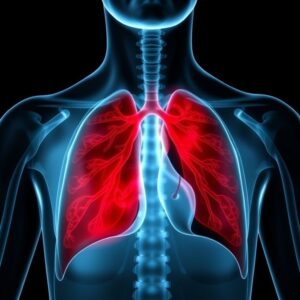
The lungs’ primary function is gas exchange—bringing oxygen into the bloodstream and removing carbon dioxide. This occurs in the tiny air sacs called alveoli. Surrounding these alveoli is the interstitium, a delicate, lace-like network of tissue that provides support and contains capillaries. In ILD, this interstitium becomes thickened by inflammation, collagen deposition, and fibrosis. This scarring makes the lungs stiff, like a sponge soaked in glue, impairing their ability to expand and transfer oxygen efficiently. The result is a characteristic set of symptoms: progressive shortness of breath (dyspnea), a persistent dry cough, fatigue, and, in advanced stages, respiratory failure.
A Spectrum of Disorders: The Many Faces of ILD
The heterogeneity of ILD is its defining feature. Causes can be broadly categorized:
-
Idiopathic: When no specific cause can be identified (e.g., Idiopathic Pulmonary Fibrosis).
-
Autoimmune/Connective Tissue Disease-related: Associated with conditions like rheumatoid arthritis, scleroderma, or Sjogren’s syndrome.
-
Hypersensitivity: Caused by inhaled environmental antigens (e.g., bird fancier’s lung, farmer’s lung).
-
Drug-Induced: Resulting from side effects of medications like chemotherapeutic agents or certain antibiotics.
-
Occupational: From long-term exposure to inorganic dusts like silica (silicosis) or asbestos (asbestosis).
-
Granulomatous: Characterized by the formation of granulomas, such as in sarcoidosis.
This diversity is precisely why ICD-10 coding for ILD requires such a high degree of specificity.
3. The ICD-10 Coding System: A Primer for Clarity and Compliance
The ICD-10-CM (Clinical Modification) is the standard diagnostic tool used in the United States for epidemiology, health management, and clinical purposes. It is vastly more detailed than its predecessor, ICD-9, with over 70,000 codes compared to approximately 14,000. This expansion was intentional, designed to capture specific details about a patient’s condition, including laterality, etiology, severity, and anatomic site.
Beyond Diagnosis: The Role of ICD-10 in Modern Healthcare
ICD-10 codes are the foundation of the modern healthcare ecosystem. They are used for:
-
Reimbursement: Determining Diagnosis-Related Groups (DRGs) and justifying medical necessity to payers.
-
Quality and Outcomes Measurement: Tracking disease prevalence, treatment efficacy, and patient outcomes.
-
Public Health and Research: Identifying disease outbreaks, allocating resources, and facilitating clinical trials.
-
Clinical Decision Support: Informing electronic health record (EHR) alerts and treatment pathways.
An inaccurate code can lead to claim denials, compliance issues, audit failures, and flawed data that misrepresents a patient’s true condition and the provider’s work.
4. The Core Chapter: A Deep Dive into ICD-10-CM Chapter J (Diseases of the Respiratory System)
Most ILD codes reside within Chapter J of the ICD-10-CM manual. This chapter covers diseases of the respiratory system (J00-J99). It is crucial to understand the block notes and exclusion guidelines at the beginning of this chapter. For instance, certain respiratory conditions that are manifestations of another disease are coded elsewhere. A key example is interstitial lung disease specifically caused by a connective tissue disease; the coding guidance often directs you to code the underlying condition first.
5. Mastering the J84 Code Family: The Heart of ILD Coding
The J84 category, “Other interstitial pulmonary diseases,” is the central hub for many ILD codes. Let’s dissect its components.
-
J84.0 – Alveolar and Parieto-alveolar Conditions: This subcategory includes specific disorders like pulmonary alveolar proteinosis and microlithiasis. It is less commonly used for the broad spectrum of fibrotic ILDs.
-
J84.1 – Other Interstitial Pulmonary Diseases with Fibrosis: This is a critical subcategory. It requires additional digits to specify the type of fibrotic lung disease.
-
J84.10 – Pulmonary fibrosis, unspecified: Used only when the documentation is not specific enough to assign a more precise code.
-
J84.11 – Idiopathic interstitial pneumonia: This is a parent code that requires a 5th digit.
-
J84.111 – Idiopathic pulmonary fibrosis: This is the specific code for IPF, a devastating and progressive form of fibrotic ILD with a characteristic radiologic and histologic pattern (Usual Interstitial Pneumonia – UIP).
-
J84.112 – Idiopathic non-specific interstitial pneumonia: A code for NSIP, which has a different prognosis and treatment response than IPF.
-
J84.113 – Acute interstitial pneumonia: A rare, rapidly progressive form of IIP.
-
J84.115 – Respiratory bronchiolitis interstitial lung disease: Associated with smoking.
-
J84.116 – Cryptogenic organizing pneumonia: Previously known as BOOP.
-
J84.117 – Desquamative interstitial pneumonia: Also strongly linked to smoking.
-
-
J84.2 – Lymphoid Interstitial Pneumonia: A code for LIP, which is often associated with immune deficiencies like HIV or autoimmune diseases like Sjogren’s syndrome.
-
-
J84.8 – Other Specified Interstitial Pulmonary Diseases: This is a catch-all for ILDs that don’t fit neatly into the other J84 subcategories. This is where you would code conditions like:
-
Idiopathic Nonspecific Interstitial Pneumonia (if not using the more specific J84.112 pathway, though J84.112 is preferred)
-
Neuroendocrine cell hyperplasia of infancy
-
Other specified types, often requiring careful review of the Alphabetic Index.
-
-
J84.9 – Interstitial Pulmonary Disease, Unspecified: This is a vague code that should be used as a last resort. It indicates that the physician’s documentation does not provide enough detail to assign a more specific code. Heavy reliance on this code can trigger audits and denials, as it fails to communicate the clinical severity or nature of the condition.
6. The Art of Specificity: Coding Underlying Causes and Associated Conditions
The most common and critical mistake in ILD coding is focusing solely on the lung manifestation while ignoring the cause. ICD-10 is built for combination coding.
The Connective Tissue Disease Connection
If a patient’s ILD is due to an autoimmune disease, the connective tissue disease code is sequenced first, followed by an appropriate ILD code.
-
Example 1: A patient with Rheumatoid Arthritis and associated interstitial lung disease.
-
Code 1: M05.11 (Rheumatoid lung disease with rheumatoid arthritis of shoulder)
-
*Note: The ICD-10 index directs you to M05.1- for rheumatoid lung disease. You would then use the appropriate 5th digit for the specific joint involvement. The lung disease is inherent in this code, and an additional J84.- code is generally not used unless the documentation specifies a type of ILD not captured by M05.1-.*
-
-
Example 2: A patient with Systemic Sclerosis (scleroderma) and pulmonary fibrosis.
-
Code 1: M34.81 (Systemic sclerosis with lung involvement)
-
Code 2: J84.10 (Pulmonary fibrosis, unspecified) – Used if the fibrosis is not further specified.
-
Coding Guideline I.C.10.a. states: “If a patient has multiple conditions, and one condition is a manifestation of another, the manifestation is sequenced after the underlying etiology.” Here, the pulmonary fibrosis is a manifestation of the scleroderma.
-
Drug-Induced ILD
When ILD is an adverse effect of a drug, you must use two codes:
-
The code for the specific lung condition (e.g., J84.9).
-
The code from the T36-T50 series with a 5th or 6th character of 5 to identify the drug.
-
Example: Methotrexate-induced pneumonitis.
-
Code 1: J84.9 (Interstitial pulmonary disease, unspecified) or a more specific code if documented.
-
Code 2: T45.1X5A (Adverse effect of antineoplastic and immunosuppressive drugs, initial encounter).
-
Hypersensitivity Pneumonitis (J67.-)
This is a classic example of ICD-10’s specificity. You do not use a generic J84 code for HP. Instead, you use a specific code from J67 that identifies the causative agent.
-
J67.0 Farmer’s lung
-
J67.1 Bagassosis
-
J67.2 Bird fancier’s lung
-
J67.3 Suberosis
-
J67.8 Hypersensitivity pneumonitis due to other organic dusts
-
J67.9 Hypersensitivity pneumonitis, unspecified
7. Idiopathic Interstitial Pneumonias (IIPs): A Coding Challenge
This group requires meticulous documentation from the pulmonologist. The coder must rely on the final diagnosis after all clinical, radiological, and sometimes pathological data has been synthesized.
-
Idiopathic Pulmonary Fibrosis (IPF): This is specifically coded to J84.112. It is crucial that this code is only used when the physician has definitively diagnosed IPF, as it carries significant prognostic implications.
-
Idiopathic Nonspecific Interstitial Pneumonia (NSIP): While some code it to J84.8, the Alphabetic Index under “Pneumonia, interstitial, nonspecific” directs you to J84.112. The Tabular List for J84.112 includes “Idiopathic nonspecific interstitial pneumonia.” Therefore, J84.112 is the correct code for both IPF and NSIP, as they are both types of idiopathic interstitial pneumonia. The specificity is inherent in the diagnosis name itself.
8. Granulomatous ILDs: Sarcoidosis and Beyond
Sarcoidosis is coded outside of Chapter J. It has its own category in Chapter 3: Diseases of the blood and blood-forming organs and certain disorders involving the immune mechanism (D86.-). You must specify the organ involvement.
-
D86.0 Sarcoidosis of lung
-
D86.1 Sarcoidosis of lymph nodes
-
D86.2 Sarcoidosis of lung with sarcoidosis of lymph nodes
-
D86.9 Sarcoidosis, unspecified
9. The Power of Combination Coding: Painting a Complete Clinical Picture
Let’s synthesize everything with practical case studies.
Case Study 1: The Complex Rheumatology Patient
-
Presentation: A 60-year-old female with a long history of seropositive rheumatoid arthritis presents with worsening dyspnea and cough. A high-resolution CT (HRCT) shows a pattern consistent with Usual Interstitial Pneumonia. Her pulmonologist diagnoses “Rheumatoid Arthritis-Associated Interstitial Lung Disease with a UIP pattern.”
-
Incorrect Coding: J84.112 (IPF) only. This is incorrect because the fibrosis is not idiopathic; it is directly associated with the RA.
-
Correct Coding:
-
M05.159 (Rheumatoid lung disease with rheumatoid arthritis of unspecified hip) – This code captures the underlying etiology and the lung manifestation together.
-
*An additional code from J84.1 is not needed here because the lung disease is included in the M05.1- code. The documentation of the UIP pattern is for clinical management but does not change the fundamental coding logic in this specific case.*
-
Case Study 2: The Occupational History
-
Presentation: A 70-year-old retired shipyard worker presents with basilar crackles and clubbing. HRCT shows evidence of pleural plaques and pulmonary fibrosis. The diagnosis is “Asbestosis.”
-
Incorrect Coding: J84.9 (Unspecified ILD).
-
Correct Coding:
-
J61 (Pneumoconiosis due to asbestos and other mineral fibers) – This code specifically describes asbestosis.
-
Z87.010 (Personal history of pneumoconiosis) – May be used as an additional code.
-
Z77.21 (Contact with and (suspected) exposure to asbestos) – May also be used.
-
10. Common Pitfalls and How to Avoid Them
-
Pitfall 1: Overusing J84.9. This code is vague and often reflects a lack of specific documentation.
-
Solution: Implement a physician query process. If a provider documents “ILD,” a coder or clinical documentation improvement (CDI) specialist should ask for clarification: “Is the ILD idiopathic, related to an underlying condition, drug-induced, etc.?”
-
-
Pitfall 2: Misunderstanding “Excludes” Notes. An “Excludes1” note means “NOT CODED HERE!”—the two conditions are mutually exclusive. An “Excludes2” note means “not included here,” but both codes can be used together if the patient has both conditions.
-
Pitfall 3: Coding from the Radiology Report Alone. Coders must code from the physician’s final diagnostic statement in the medical record. A radiology report may suggest “findings consistent with IPF,” but the treating pulmonologist’s final diagnosis is the authoritative source for code assignment.
11. The Future is Now: ICD-10’s Role in Research, Registries, and Personalized Medicine
The specificity of ICD-10 is a powerful tool for the future. By accurately coding different subtypes of ILD (e.g., IPF vs. NSIP vs. CTD-ILD), we create rich, real-world data sets. These datasets power patient registries, help identify candidates for clinical trials of new antifibrotic drugs, and ultimately contribute to the era of personalized medicine, where treatment is tailored not just to “ILD” but to a patient’s specific disease variant and genetic makeup. Precise coding is the bedrock upon which this future is built.
Common ILD Diagnoses and Their Corresponding ICD-10 Codes
| Diagnosis | ICD-10 Code | Notes & Important Considerations |
|---|---|---|
| Idiopathic Pulmonary Fibrosis (IPF) | J84.112 | Only use if definitively diagnosed by a physician. Represents a UIP pattern. |
| Idiopathic Nonspecific Interstitial Pneumonia (NSIP) | J84.112 | The Alphabetic Index directs NSIP to this code. |
| Hypersensitivity Pneumonitis (unspecified) | J67.9 | Always try to code to a more specific type (e.g., J67.2 for Bird fancier’s lung). |
| Rheumatoid Arthritis with Lung Involvement | M05.1-_ | Requires a 5th digit to specify the joint involved. The ILD is included in this code. |
| Systemic Sclerosis with Lung Involvement | M34.81 | Code first. May use an additional J84.10 code if pulmonary fibrosis is documented. |
| Sarcoidosis of Lung | D86.0 | Coded outside of Chapter J. Do not use a J84 code. |
| Drug-Induced ILD | J84.9 + T36-T50 with 5th character 5 | Always use two codes. The T code identifies the responsible drug. |
| Asbestosis | J61 | This is the specific code for this pneumoconiosis. |
| Lymphoid Interstitial Pneumonia | J84.2 | Often associated with other immune conditions. |
| Cryptogenic Organizing Pneumonia | J84.116 | A specific type of idiopathic interstitial pneumonia. |
| Interstitial Lung Disease, Unspecified | J84.9 | Use |
12. Conclusion: Precision Coding as a Pillar of Patient Care
Navigating the intricate landscape of ICD-10 coding for Interstitial Lung Disease demands a partnership between clinician and coder. It requires a deep understanding of pulmonary pathology, a meticulous approach to the coding guidelines, and an unwavering commitment to specificity. By moving beyond generic codes and embracing the detailed framework that ICD-10 provides, we do more than ensure accurate reimbursement; we contribute to high-quality patient care, robust clinical research, and a clearer understanding of these complex and challenging diseases. Precision in coding is not an administrative task—it is a fundamental pillar of modern, data-driven medicine.
Frequently Asked Questions (FAQs)
Q1: What is the most important thing to remember when coding for ILD?
A: The single most important rule is to code the cause. Always look for an underlying etiology (e.g., connective tissue disease, drug exposure, occupational hazard) before defaulting to an idiopathic code. Sequencing often requires the underlying condition to be coded first.
Q2: When should I use J84.9 (Interstitial pulmonary disease, unspecified)?
A: Use J84.9 only as a temporary or default code when the physician’s documentation provides no further specificity about the type or cause of the ILD. This should prompt an immediate query to the provider for more detailed information. Chronic use of J84.9 is a red flag for auditors.
Q3: How do I code a patient with both Idiopathic Pulmonary Fibrosis (IPF) and emphysema (combined pulmonary fibrosis and emphysema – CPFE)?
A: You would code both conditions.
-
J84.112 for Idiopathic Pulmonary Fibrosis
-
J43.9 for Emphysema, unspecified
Code first the condition that is the primary reason for the encounter.
Q4: A patient has sarcoidosis primarily in the lungs. Do I use a J84.- code?
A: No. Sarcoidosis has its own code family, D86.-. For sarcoidosis confined to the lungs, you would use D86.0 (Sarcoidosis of lung). Using a J84 code would be incorrect.
Q5: What is the difference between J84.1 and J84.8?
A: J84.1 is specifically for interstitial diseases with fibrosis. J84.8 is a residual category for “other specified” interstitial diseases that don’t fit into the other J84 subcategories (like J84.0, J84.1, J84.2). Always consult the Alphabetic Index first to see where a specific diagnosis is directed.
Additional Resources
-
The Official ICD-10-CM Guidelines for Coding and Reporting: Published annually by the Centers for Medicare & Medicaid Services (CMS) and the National Center for Health Statistics (NCHS). This is the ultimate authority.
-
American Health Information Management Association (AHIMA): Provides webinars, articles, and practice briefs on complex coding topics, including respiratory diseases.
-
American Academy of Professional Coders (AAPC): Offers certification, training, and forums where coding professionals discuss challenging cases.
-
American Thoracic Society (ATS) / European Respiratory Society (ERS) Clinical Practice Guidelines: While not coding manuals, these provide the definitive clinical classifications and diagnostic criteria for Idiopathic Interstitial Pneumonias and other ILDs, which directly inform correct coding.
-
Your Encoder Software: Utilize the notes, excludes, and cross-referencing features within your professional encoder software (e.g., Optum, 3M).
Date: October 6, 2025
Author: The Health Informatics Team
Disclaimer: The information contained in this article is for educational and informational purposes only and is not intended as a substitute for professional medical coding, billing, or legal advice. Always consult with a certified medical coder, your healthcare organization’s compliance officer, and the most current, official ICD-10-CM coding guidelines before assigning codes for billing or reimbursement purposes.