A patient presents with a complaint of “left shoulder pain.” To the clinician, this is a symptom, a puzzle to be solved through examination, history, and diagnostic testing. To the medical coder and biller, it is the starting point of a complex journey to translate that clinical picture into a precise alphanumeric language: the International Classification of Diseases, Tenth Revision, Clinical Modification (ICD-10-CM). This code is far from a mere administrative formality. It is the linchpin of the modern healthcare ecosystem, a critical piece of data that influences everything from physician reimbursement and hospital funding to epidemiological research and public health policy. An inaccurately coded “left shoulder pain” can trigger a chain reaction—leading to claim denials, skewed health statistics, and potentially fragmented patient care. This comprehensive guide is designed to demystify the process of ICD-10 codes for left shoulder pain, moving beyond the generic default code to explore the rich tapestry of specific diagnoses that underlie this common complaint. We will journey through the anatomy of the shoulder, the structure of the ICD-10 system, and the critical thinking required to select the most accurate code, ensuring that the story of the patient’s pain is told correctly in the data-driven world of healthcare.
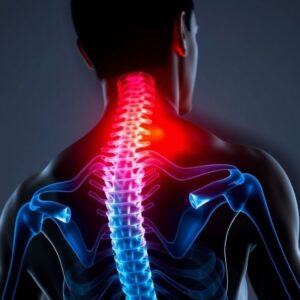
ICD-10 Codes for Left Shoulder Pain
2. Understanding the Foundation: What is the ICD-10-CM System?
Before we can decode left shoulder pain, we must first understand the codebook itself. The ICD-10-CM is the United States’ clinical modification of the World Health Organization’s ICD-10, a system used globally to classify diseases and health problems.
A Brief History: From ICD-9 to ICD-10
The transition from ICD-9-CM to ICD-10-CM in 2015 was a monumental shift in healthcare. ICD-9, with its approximately 14,000 codes, was outdated and lacked the specificity required for modern medicine. ICD-10-CM, with over 68,000 codes, introduced a level of detail that allows for a much more accurate representation of patient conditions, including laterality (right vs. left), etiology, severity, and anatomic site. This granularity is precisely what we will leverage when coding for left shoulder pain.
The Structure of an ICD-10 Code
An ICD-10-CM code is not a random string of characters. It follows a logical structure:
-
Category (Characters 1-3): The code begins with a letter followed by two numbers, indicating the general category of the disease or condition. For example, “M25” represents “Other joint disorders.”
-
Etiology, Anatomic Site, Severity, etc. (Characters 4-7): These characters add layers of specificity. The fourth character often specifies the etiology or type of disease, the fifth and sixth characters typically detail the anatomic site, and the seventh character (often used in injury codes) denotes the encounter type (initial, subsequent, sequela).
This structured approach forces coders and providers to think critically about the diagnosis, moving from a general symptom to a precise clinical term.
3. The Clinical Landscape of Left Shoulder Pain
To code accurately, one must first understand the clinical reality. The shoulder is a complex structure, and pain can originate from a multitude of sources.
Anatomy of the Shoulder: A Masterpiece of Mobility and Stability
The glenohumeral joint, or shoulder joint, is a ball-and-socket joint where the head of the humerus (upper arm bone) articulates with the glenoid fossa of the scapula (shoulder blade). This design allows for an incredible range of motion but at the cost of inherent instability. Stability is provided by a group of muscles and tendons known as the rotator cuff (supraspinatus, infraspinatus, teres minor, subscapularis), the glenoid labrum (a fibrous ring that deepens the socket), and a complex network of ligaments and bursae (fluid-filled sacs that reduce friction). Understanding these components is crucial because the ICD-10 code will often specify which one is affected.
Common Etiologies of Left Shoulder Pain
-
Musculoskeletal and Traumatic Causes:
-
Rotator Cuff Pathology: This includes tendinitis (inflammation), tears (partial or complete), and impingement (pinching of the tendons under the acromion bone).
-
Adhesive Capsulitis (Frozen Shoulder): A condition characterized by stiffness and pain in the shoulder joint.
-
Glenohumeral Osteoarthritis: Degenerative “wear-and-tear” of the joint cartilage.
-
Acromioclavicular (AC) Joint Separation: A sprain or tear of the ligaments connecting the acromion and the clavicle.
-
Fractures: Most commonly of the proximal humerus or the clavicle.
-
Bursitis: Inflammation of the bursae, often the subacromial bursa.
-
Bicipital Tendinitis: Inflammation of the long head of the biceps tendon.
-
-
Neurological and Referred Pain:
-
Cervical Radiculopathy: A pinched nerve in the neck (often C5 or C6) can cause radiating pain, weakness, or numbness in the shoulder region.
-
Brachial Plexus Injury: Damage to the network of nerves that sends signals from the spine to the shoulder, arm, and hand.
-
-
Systemic and Inflammatory Conditions:
-
Rheumatoid Arthritis: An autoimmune disorder that can attack multiple joints, including the shoulder.
-
Gout or Pseudogout: Crystal-induced arthropathies that can cause acute, intensely painful shoulder inflammation.
-
[Image: A detailed anatomical illustration of the shoulder, highlighting the bones (humerus, scapula, clavicle), rotator cuff muscles, and bursae.]
4. Navigating the ICD-10-CM Chapter Guide: Chapter 13 (M00-M99)
The vast majority of codes for shoulder pain will be found in Chapter 13: Diseases of the Musculoskeletal System and Connective Tissue (M00-M99). This chapter is organized by anatomic site and type of disorder. It is essential to note the code first and use additional code notes in this chapter, as they guide the coder to sequence underlying conditions (e.g., gout) before the joint manifestation.
5. A Deep Dive into Specific ICD-10 Codes for Left Shoulder Pain
This is the core of our guide. We will now explore the most common and important codes, moving from the general to the highly specific.
M25.512 – Pain in Left Shoulder: The Default and Its Proper Use
This code is found in the M25 category (Other joint disorders, not elsewhere classified). It is a symptom code, not a diagnosis. Its use is appropriate only when a more specific diagnosis cannot be made after a clinical workup. For instance, it may be used for an initial encounter where the cause of the pain is still under investigation. Overusing this code is a common pitfall that can lead to claim denials, as payers expect a definitive diagnosis when one is available.
S-Codes: Injury, Poisoning and Certain Other Consequences of External Causes (S00-T88)
When the shoulder pain is the direct result of an injury, we turn to the S-codes. These codes require a seventh character to describe the encounter (A: Initial, D: Subsequent, S: Sequela).
-
S43.4- Sprain of Shoulder Joint, Left Side: This code is for injuries to the ligaments of the shoulder joint, such as the glenohumeral ligaments. It requires a 7th character.
-
Example: S43.412A – Sprain of left shoulder joint, initial encounter.
-
-
S46.0- Injury of Muscle, Fascia and Tendon of the Rotator Cuff, Left Shoulder: This is a crucial category for traumatic rotator cuff injuries.
-
Example: S46.011A – Strain of muscle(s) and tendon(s) of the rotator cuff of left shoulder, initial encounter.
-
-
S42.2- Fracture of Upper End of Humerus, Left: This covers fractures of the proximal humerus.
-
Example: S42.202A – Fracture of unspecified part of neck of left humerus, initial encounter for closed fracture.
-
M-Codes: The Breadth of Musculoskeletal Diagnoses
This is where the true specificity of ICD-10 shines for non-traumatic conditions.
-
M75.1- Rotator Cuff Tear/Disorder, Left Shoulder: This code family is for degenerative or non-traumatic rotator cuff issues.
-
M75.11-: Rotator cuff tear or rupture of left shoulder, not specified as traumatic.
-
M75.12-: Incomplete rotator cuff tear or rupture of left shoulder, not specified as traumatic.
-
-
M75.4- Impingement Syndrome, Left Shoulder: This code is used specifically for the diagnosis of shoulder impingement.
-
Example: M75.42 – Impingement syndrome of left shoulder.
-
-
M19.01- Primary Osteoarthritis, Left Shoulder: For degenerative joint disease.
-
Example: M19.012 – Primary osteoarthritis, left shoulder.
-
-
M75.3- Calcific Tendinitis, Left Shoulder: For the buildup of calcium deposits in the tendons.
-
Example: M75.32 – Calcific tendinitis of left shoulder.
-
-
M65.8- Other Synovitis and Tenosynovitis, Left Shoulder: For inflammation of the joint lining (synovium) or tendon sheath.
-
Example: M65.812 – Other synovitis and tenosynovitis, left shoulder.
-
When the Cause is Elsewhere: Codes for Referred Pain
A critical role of the coder and clinician is to recognize when shoulder pain is not of musculoskeletal origin.
-
I20-I25: Ischemic Heart Disease: Angina or a myocardial infarction (heart attack) can present with pain referred to the left shoulder, jaw, or arm. This is a medical emergency. A code from this range (e.g., I20.9 – Angina pectoris, unspecified) would be primary.
-
M54.2: Cervicalgia: While cervicalgia is neck pain, if the provider documents that the left shoulder pain is radicular (from a pinched nerve), a code like M54.12 (Cervical radiculopathy) or M54.13 (Cervicobrachial syndrome) would be more accurate than a shoulder code.
6. The Art of Specificity: Documentation is King
The accuracy of the ICD-10 code is entirely dependent on the quality of the clinical documentation. The provider’s notes must be clear, precise, and detailed.
-
Laterality: The documentation must explicitly state “left.” Assumptions cannot be made.
-
Etiology and Manifestation: The note should distinguish between, for example, a traumatic rotator cuff injury (S46.0-) and a degenerative one (M75.1-).
-
Acuity: Is the condition acute, chronic, or acute on chronic? While not always required in the code, this information supports medical necessity.
7. Coding Scenarios: From Patient Chart to Accurate Code
Let’s apply our knowledge to real-world examples.
Scenario 1: The Weekend Warrior
-
Presentation: A 45-year-old male presents to the ER after falling off his bicycle and landing on his outstretched left arm. He has immediate, severe pain and difficulty moving his shoulder. X-ray confirms a non-displaced fracture of the greater tuberosity of the left humerus.
-
Documentation: “Closed fracture of greater tuberosity, left humerus, due to fall from bicycle.”
-
Correct ICD-10 Code: S42.252A (Fracture of greater tuberosity of left humerus, initial encounter for closed fracture).
Scenario 2: The Gradual Ache
-
Presentation: A 60-year-old female with a history of gradually worsening left shoulder pain, especially with overhead activities. MRI reveals a full-thickness tear of the supraspinatus tendon. There is no history of acute trauma.
-
Documentation: “Full-thickness rotator cuff tear, left shoulder, degenerative in nature.”
-
Correct ICD-10 Code: M75.112 (Complete rupture of rotator cuff, not specified as traumatic, left shoulder).
Scenario 3: The Mysterious Pain
-
Presentation: A 55-year-old male with a history of hypertension and high cholesterol presents with a dull ache in his left shoulder and jaw that started during his morning walk and subsides with rest. An orthopedic exam of the shoulder is unremarkable.
-
Documentation: “Patient presents with chest discomfort and referred pain to left shoulder and jaw, consistent with stable angina.”
-
Correct ICD-10 Code: I20.9 (Angina pectoris, unspecified). The shoulder pain is a symptom of the primary cardiac condition.
8. Common Pitfalls and How to Avoid Them
-
Over-reliance on M25.512: Using this as a catch-all is a recipe for denials. Always look for a more specific diagnosis in the documentation.
-
Misinterpreting “Unspecified” Codes: Codes with “unspecified” (e.g., M75.10 – Rotator cuff tear, unspecified shoulder) are intended for use only when the information is not available in the record. They should not be used if the laterality or specificity is known but simply not documented. Query the provider.
-
Ignoring Coding Guidelines and Updates: The ICD-10-CM Official Guidelines for Coding and Reporting are updated annually. Failing to stay current with these changes can lead to systematic errors.
9. The Importance of Accurate Coding: A Ripple Effect
The correct code for left shoulder pain is not just a billing tool. It has a profound impact:
-
Impact on Reimbursement: Accurate codes ensure that providers are reimbursed correctly for the complexity of care they provide. An incorrect code can lead to underpayment or denial.
-
Impact on Public Health Data and Research: Aggregated ICD-10 data helps track the incidence of rotator cuff tears, the effectiveness of new treatments for arthritis, and even patterns of sports injuries. Inaccurate coding corrupts this vital data.
-
Impact on Patient Care: Accurate coding contributes to a precise patient record, which is essential for continuity of care, especially when a patient sees multiple specialists.
Common ICD-10 Codes for Left Shoulder Pain
| ICD-10 Code | Code Description | Clinical Context & Usage Notes |
|---|---|---|
| M25.512 | Pain in left shoulder | Use only when a more specific diagnosis is not available. A symptom code. |
| S43.412A | Sprain of left shoulder joint, initial encounter | For acute ligament injuries. Requires a 7th character (A, D, S). |
| S46.011A | Strain of rotator cuff of left shoulder, initial encounter | For acute muscle/tendon injuries from trauma. Requires a 7th character. |
| S42.252A | Fracture of greater tuberosity of left humerus, initial encounter | For a specific type of shoulder fracture. |
| M75.112 | Complete rupture of rotator cuff, not specified as traumatic, left shoulder | For degenerative, full-thickness rotator cuff tears. |
| M75.42 | Impingement syndrome of left shoulder | For diagnosis of shoulder impingement. |
| M19.012 | Primary osteoarthritis, left shoulder | For degenerative joint disease of the shoulder. |
| M75.32 | Calcific tendinitis of left shoulder | For calcium deposits in the shoulder tendons. |
| I20.9 | Angina pectoris, unspecified | Crucial: Used when left shoulder pain is referred from cardiac ischemia. |
| M54.12 | Cervical radiculopathy | Used when pain originates from a pinched nerve in the neck, radiating to the shoul |
10. FAQs: Frequently Asked Questions About ICD-10 for Left Shoulder Pain
Q1: What is the difference between M75.11- (rotator cuff tear) and S46.0- (injury of rotator cuff)?
A: M75.11- is used for degenerative, non-traumatic tears, often due to age or overuse. S46.0- is used for acute, traumatic injuries, such as those from a fall or accident. The provider’s documentation of the cause is key.
Q2: Can I use two codes for one shoulder problem?
A: Yes, often. You may need a combination code. For example, for shoulder pain due to osteoarthritis, you would code the osteoarthritis (M19.012) as the definitive diagnosis. The pain (M25.512) is inherent in the condition and would generally not be coded separately unless it is being treated independently. Always follow coding guidelines for etiology and manifestation rules.
Q3: What if the provider’s documentation just says “left shoulder pain” without a specific diagnosis?
A: In this case, M25.512 (Pain in left shoulder) is the correct code. However, for subsequent encounters or if a diagnosis is established later, a query to the provider for a more specific diagnosis is recommended for accurate coding and billing.
Q4: How do I code for post-operative pain after left shoulder surgery?
A: Post-operative pain is typically not coded separately, as it is an expected part of the surgical aftercare. The focus should be on the reason for the surgery (e.g., the rotator cuff tear) and any post-procedure complications, using the appropriate Z-code for aftercare (e.g., Z48.81 – Encounter for surgical aftercare) as the primary reason for the encounter.
11. Conclusion
Accurately coding left shoulder pain in ICD-10-CM requires a synergy of clinical knowledge and coding expertise. It is a process of moving from a general symptom to a precise diagnosis, guided by detailed provider documentation and a thorough understanding of the ICD-10 structure. By embracing the system’s specificity—navigating the distinctions between traumatic and degenerative conditions, understanding referred pain, and always documenting laterality—healthcare professionals can ensure accurate reimbursement, contribute to valuable health data, and ultimately, support the highest quality of patient care. The code is more than a number; it is the definitive story of the patient’s condition in the language of modern medicine.
12. Additional Resources
-
CDC ICD-10-CM Official Guidelines: https://www.cdc.gov/nchs/icd/icd-10-cm.htm (The definitive source for coding rules).
-
American Health Information Management Association (AHIMA): https://www.ahima.org/ (Provides education and resources for coding professionals).
-
American Academy of Professional Coders (AAPC): https://www.aapc.com/ (Offers certification, training, and industry updates for medical coders).
-
National Center for Biotechnology Information (NCBI): https://www.ncbi.nlm.nih.gov/ (A valuable resource for understanding the clinical aspects of shoulder pathologies).
Date: October 10, 2025
Author: The Medical Coding Insights Team
Disclaimer: The information contained in this article is for educational and informational purposes only and is not intended as a substitute for professional medical advice, diagnosis, or treatment. Always seek the advice of your physician or other qualified health provider with any questions you may have regarding a medical condition or for accurate medical coding. The author and publisher are not responsible for any errors or omissions or for the results obtained from the use of this information.