If you’ve found yourself searching for the “ICD-9 code for frequent urination,” you’re likely navigating the complex world of medical billing, insurance forms, or old medical records. While the healthcare system has moved on to a newer coding manual, understanding ICD-9 codes remains crucial for dealing with historical records or understanding past diagnoses.
In this comprehensive guide, we’ll demystify the specific code, explain its context, and provide you with the modern equivalents used in today’s healthcare. Our goal is to turn confusing medical jargon into clear, actionable information.
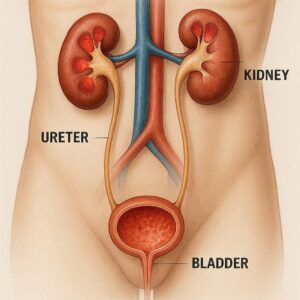
ICD-9 Code for Frequent Urination
Understanding ICD-9 and Its Modern Relevance
First, let’s clarify what ICD-9 is. The International Classification of Diseases, 9th Revision (ICD-9) was the standard system used by healthcare providers and coders to classify and code all diagnoses, symptoms, and procedures. It was used in the United States from 1979 until October 1, 2015.
On that date, the U.S. officially transitioned to ICD-10-CM, a much more detailed and modern system. While ICD-9 is now outdated for current clinical and billing purposes, you might still encounter these codes on:
-
Older personal medical records
-
Historical insurance claims
-
Some research papers or studies conducted before 2015
-
Legacy data within healthcare systems
Knowing the correct ICD-9 code helps you accurately interpret these documents.
The Specific ICD-9 Code: 788.41
The direct answer to your search is that the ICD-9 code for the symptom of frequent urination is 788.41.
Let’s break down what this code means:
-
Chapter 9: Diseases of the Genitourinary System (580-629). The 788 series falls under symptoms related to this system.
-
Category 788: Symptoms involving the urinary system. This category covers various urinary complaints like pain, retention, and incontinence.
-
Sub-category 788.4: Frequency of urination and polyuria. This groups together both frequent urination (normal volume) and polyuria (excessive urine volume).
-
Final Code 788.41: Urinary frequency. This specifically pinpoints the symptom of needing to urinate often.
Important Note: Code 788.41 described the symptom itself. A crucial part of medical coding was (and is) to then identify and code the underlying cause, if known. Frequent urination is not a disease; it’s a sign of something else.
What This Code Described
When a coder used 788.41, it documented the patient’s chief complaint: urinating more often than usual. This could manifest as:
-
Needing to wake up multiple times at night to urinate (nocturia).
-
Having urinary urges throughout the day at short intervals.
-
A persistent feeling of needing to go even after just voiding.
From ICD-9 to ICD-10: A Critical Translation
Since ICD-9 is obsolete, understanding its translation to ICD-10 is vital. The transition wasn’t a simple one-to-one change; ICD-10 offers significantly more detail. The equivalent code in ICD-10-CM is R35.0: Frequency of micturition.
Comparative Table: ICD-9 vs. ICD-10 for Frequent Urination
| Feature | ICD-9-CM (788.41) | ICD-10-CM (R35.0) |
|---|---|---|
| Code | 788.41 | R35.0 |
| Code Title | Urinary frequency | Frequency of micturition |
| System | Chapter: Diseases of Genitourinary System Category: Symptoms of Urinary System |
Chapter: Symptoms, Signs & Abnormal Clinical Findings Block: Symptoms involving the urinary system |
| Specificity | Broad symptom code. Underlying cause coded separately. | More specific term (“micturition” means urination). Also requires coding the cause separately. |
| Additional Detail | No ability to specify further in the code itself. | Can be combined with other codes for greater clinical picture (e.g., R35.1 for nocturia). |
| Status | Historical. Not used for current billing. | Current. The active standard for diagnosis coding. |
This table highlights a key point: R35.0 is the direct symptom equivalent, but it is almost never used alone. The real power of ICD-10 is in coding the diagnosis causing the frequency.
Beyond the Code: Common Causes of Frequent Urination
Frequent urination is a gateway symptom. The medical focus is always on determining “why.” Here are the most common categories of underlying conditions, which would have been assigned their own ICD-9 (and now ICD-10) codes alongside 788.41.
1. Urinary Tract Infections (UTIs) and Bladder Issues
-
Cystitis (Bladder Infection): A leading cause, especially in women. ICD-9: 595.0 (Acute cystitis).
-
Overactive Bladder (OAB): Characterized by urgency, with or without incontinence. ICD-9: 596.51 (Hypertonicity of bladder).
-
Interstitial Cystitis/Bladder Pain Syndrome: A chronic condition causing bladder pressure and pain. ICD-9: 595.1 (Chronic interstitial cystitis).
2. Metabolic and Endocrine Disorders
-
Diabetes Mellitus (Uncontrolled): High blood sugar causes the kidneys to excrete more urine (polyuria). ICD-9: 250.0x (Diabetes mellitus).
-
Diabetes Insipidus: A disorder of water balance, causing dilute urine in large volumes. ICD-9: 253.5.
3. Prostate Conditions (In Men)
-
Benign Prostatic Hyperplasia (BPH): An enlarged prostate gland obstructs the urethra, preventing complete bladder emptying. ICD-9: 600.0x.
4. Other Contributing Factors
-
Medications: Diuretics (“water pills”) for blood pressure, certain antidepressants, etc.
-
Pregnancy: Hormonal changes and physical pressure on the bladder.
-
Neurological Disorders: Stroke, multiple sclerosis, spinal cord injuries affecting bladder nerves.
-
Excessive Fluid Intake, especially caffeine or alcohol.
Why Accurate Coding Matters – For Patients and Providers
You might wonder why a simple code matters so much. The implications are far-reaching.
For Patient Care:
-
Clear Communication: Accurate coding creates a precise, standardized medical history that travels with you.
-
Treatment Pathways: The underlying diagnosis code directly influences recommended treatment plans and specialist referrals.
-
Research & Public Health: Aggregated, anonymized code data helps track disease outbreaks and the prevalence of conditions like diabetes or UTIs.
For Healthcare Systems:
-
Billing and Reimbursement: Insurance companies use diagnosis codes (like the one for the cause of frequent urination) to determine if a test, visit, or treatment is medically necessary and should be paid for.
-
Operational Efficiency: Standardized codes streamline clinical documentation, data analysis, and quality reporting.
A Key Takeaway: “The symptom code gets you in the door, but the diagnosis code drives your care and ensures your provider is compensated for their work. This interdependent relationship is the cornerstone of modern medical documentation.” – Healthcare Administration Principle.
Navigating Medical Records: A Practical Guide for Readers
If you’re looking at an old record with “788.41” on it, here’s a step-by-step approach:
-
Identify the Symptom Code: Locate 788.41 (Urinary frequency) on the form, usually under “Diagnoses” or “Assessment.”
-
Look for the Primary Diagnosis: Scan for other codes listed near it or above it. These are likely the root cause (e.g., 599.0 for UTI, 250.00 for diabetes, 600.01 for BPH).
-
Consult the Modern Equivalent: Use the table above to see that your symptom is now R35.0 in ICD-10. The diagnosis codes will also have updated, more specific ICD-10 counterparts.
-
Ask Your Current Provider: If you have questions about an old diagnosis, bring the record to your current doctor. They can interpret it in the context of your present health.
Helpful List: Questions to Ask Your Doctor About Frequent Urination
-
“Based on my symptoms, what do you think is the most likely cause?”
-
“What tests do you recommend to confirm the diagnosis?”
-
“Is this a temporary issue or a chronic condition?”
-
“What are my treatment options, and what are the pros and cons of each?”
-
“Are there lifestyle changes (diet, fluid management, pelvic floor exercises) that could help?”
Frequently Asked Questions (FAQ)
Q: Is ICD-9 code 788.41 still used today?
A: No. As of October 1, 2015, the U.S. healthcare system exclusively uses ICD-10-CM for diagnosis coding. 788.41 is only relevant for historical records.
Q: What is the new ICD-10 code for frequent urination?
A: The direct equivalent is R35.0 (Frequency of micturition). However, a coder will primarily use a more specific code for the underlying condition (like N39.0 for a UTI) and may add R35.0 for additional detail.
Q: My old record only has 788.41 on it. What does that mean?
A: It could mean that at the time of that visit, a definitive underlying cause had not yet been determined. The visit may have been to initially investigate the symptom. Further testing likely followed.
Q: Can I use this code for self-diagnosis or billing?
A: Absolutely not. Medical diagnosis coding is a complex, regulated process performed by trained healthcare professionals and certified medical coders. This guide is for educational understanding only.
Q: How many times is ‘frequent urination’ in a day?
A: There’s no universal number, as baseline urine output varies. However, clinicians often become concerned if you urinate more than 8 times in 24 hours while drinking a normal amount (about 2 liters), or if the frequency is new, disruptive to your sleep (nocturia), or accompanied by other symptoms like pain, fever, or urgency.
Conclusion
The search for the “ICD-9 code for frequent urination” leads to the historical code 788.41, a marker for a common but important urinary symptom. Its journey from a standalone ICD-9 entry to the more nuanced ICD-10 code R35.0 reflects the evolution of precise medical documentation. Ultimately, understanding these codes underscores a fundamental truth: treating the symptom effectively requires identifying and addressing its root cause. Whether you’re deciphering an old record or preparing for a doctor’s visit, this knowledge empowers you to be an active participant in your healthcare journey.
Additional Resources
For authoritative information on current medical coding, visit the Centers for Disease Control and Prevention (CDC) ICD-10 page: CDC ICD-10-CM
Disclaimer: This article is for informational and educational purposes only. It is not a substitute for professional medical advice, diagnosis, or treatment. Always seek the advice of your physician or other qualified health provider with any questions you may have regarding a medical condition or the interpretation of medical records. Do not use historical ICD-9 codes for self-diagnosis or current billing purposes.
Author: The Professional Web Writer Team
Date: January 24, 2026