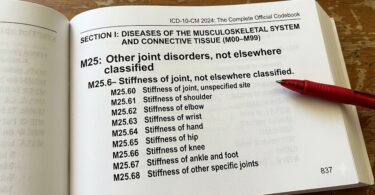
Influenza B is a significant respiratory virus that affects millions of people worldwide each year. While often considered less severe than Influenza A, it can still lead to serious complications, especially in high-risk populations such as children, the elderly, and immunocompromised individuals. Accurate diagnosis and proper ICD-10 coding are essential for effective treatment, billing, and public health tracking.
This comprehensive guide explores Influenza B, its symptoms, diagnosis, treatment, and the correct ICD-10 codes used in medical documentation. Whether you’re a healthcare provider, medical coder, or simply seeking detailed information, this article provides valuable insights into managing and coding Influenza B infections.

influenza b icd 10 code
2. Understanding Influenza B
What Is Influenza B?
Influenza B is one of the two primary types of influenza viruses (the other being Influenza A) responsible for seasonal flu outbreaks. Unlike Influenza A, which can infect animals and humans and has multiple subtypes, Influenza B primarily circulates among humans and has fewer genetic variations.
Symptoms of Influenza B
Common symptoms include:
-
Fever and chills
-
Cough and sore throat
-
Runny or stuffy nose
-
Muscle or body aches
-
Fatigue
-
Headaches
-
Vomiting and diarrhea (more common in children)
How Influenza B Differs from Influenza A
| Feature | Influenza A | Influenza B |
|---|---|---|
| Host Range | Humans and animals (e.g., birds, pigs) | Mostly humans |
| Subtypes | Multiple (H1N1, H3N2, etc.) | Two lineages (Victoria & Yamagata) |
| Mutation Rate | High (antigenic drift & shift) | Lower (less variability) |
| Severity | Can cause pandemics | Typically milder but still severe in high-risk groups |
3. Diagnosis of Influenza B
Clinical Presentation
Doctors often diagnose Influenza B based on symptoms during flu season. However, laboratory confirmation is necessary for accurate treatment and public health reporting.
Laboratory Testing
Common diagnostic tests include:
-
Rapid Influenza Diagnostic Tests (RIDTs) – Quick but less sensitive.
-
RT-PCR (Reverse Transcription Polymerase Chain Reaction) – Gold standard for detection.
-
Viral Culture – Used for research and surveillance.
4. ICD-10 Coding for Influenza B
Importance of Accurate ICD-10 Coding
Proper ICD-10 coding ensures:
-
Correct billing and reimbursement
-
Accurate disease tracking by public health agencies
-
Improved patient care coordination
Specific ICD-10 Codes for Influenza B
The primary ICD-10 codes for Influenza B are:
| ICD-10 Code | Description |
|---|---|
| J10.1 | Influenza due to identified influenza B virus with other respiratory manifestations |
| J10.2 | Influenza due to identified influenza B virus with gastrointestinal manifestations |
| J10.8 | Influenza due to identified influenza B virus with other manifestations (e.g., encephalopathy) |
| J11.1 | Influenza due to unidentified influenza virus with respiratory manifestations (used if Influenza B is suspected but not confirmed) |
Common Coding Mistakes to Avoid
-
Using J11.1 (unspecified influenza) when lab-confirmed Influenza B is present.
-
Failing to document complications (e.g., pneumonia, otitis media) with additional codes.
5. Treatment and Management of Influenza B
Antiviral Medications
-
Oseltamivir (Tamiflu) – Reduces severity if taken within 48 hours of symptom onset.
-
Zanamivir (Relenza) – Inhaled antiviral for treatment and prevention.
Supportive Care
-
Hydration, rest, and fever reducers (e.g., acetaminophen).
-
Hospitalization may be needed for severe cases (e.g., pneumonia).
Prevention Strategies (Vaccination)
-
Annual flu vaccines include protection against Influenza B strains.
-
High-risk individuals should prioritize vaccination.
6. Public Health Impact of Influenza B
-
Seasonal Trends: Peaks in winter but can occur year-round.
-
High-Risk Populations: Children, elderly, pregnant women, and those with chronic illnesses.
7. Influenza B vs. Other Respiratory Infections
Comparison with Influenza A, RSV, and COVID-19 in terms of transmission, severity, and treatment.
8. FAQs on Influenza B and ICD-10 Coding
Q1: What is the ICD-10 code for lab-confirmed Influenza B with respiratory symptoms?
A: J10.1 (Influenza due to identified influenza B virus with respiratory manifestations).
Q2: Can Influenza B cause severe illness?
A: Yes, especially in high-risk groups (e.g., leading to pneumonia or hospitalization).
Q3: How is Influenza B different from the common cold?
A: Influenza B has a sudden onset with high fever and body aches, while colds are milder.
9. Conclusion
Influenza B is a significant respiratory infection requiring accurate diagnosis and proper ICD-10 coding (J10.1, J10.2, J10.8). Antiviral treatment, vaccination, and supportive care are key to management. Proper coding ensures effective billing and public health monitoring.