Radiology is a cornerstone of modern medicine, providing critical diagnostic and therapeutic services. However, accurate billing and coding are essential to ensure proper reimbursement and compliance with healthcare regulations. Current Procedural Terminology (CPT) codes are the standardized numerical codes used to describe medical, surgical, and diagnostic services.
Radiology CPT codes are complex, with thousands of codes covering imaging modalities such as X-rays, CT scans, MRIs, ultrasounds, and interventional procedures. Incorrect coding can lead to claim denials, delayed payments, or even legal repercussions.
This guide provides an in-depth exploration of radiology CPT codes, including their structure, common codes, modifiers, billing challenges, and best practices. Whether you’re a radiologist, coder, biller, or healthcare administrator, this article will serve as a valuable resource for optimizing radiology revenue cycles.

Radiology CPT Codes
2. Understanding Radiology CPT Codes
What Are CPT Codes?
CPT codes, developed by the American Medical Association (AMA), are used to report medical procedures and services to insurers. Radiology CPT codes fall under the 70000 series and are categorized based on imaging techniques.
Importance of Radiology CPT Codes
-
Standardization: Ensures uniformity in billing across healthcare providers.
-
Reimbursement: Accurate coding maximizes insurance payouts.
-
Compliance: Reduces audit risks and legal issues.
3. Categories of Radiology CPT Codes
Radiology CPT codes are divided into four main categories:
A. Diagnostic Radiology (70000–76499)
Includes imaging procedures like X-rays, CT scans, and MRIs.
B. Interventional Radiology (76000–76999)
Covers minimally invasive image-guided procedures (e.g., angioplasty, biopsies).
C. Nuclear Medicine (78000–79999)
Involves radioactive tracers for diagnostics (e.g., PET scans).
D. Radiation Oncology (77200–77799)
Used for cancer treatment planning and delivery.
4. Common Radiology CPT Codes
Below are frequently used CPT codes in radiology:
Table 1: Common Diagnostic Radiology CPT Codes
| Procedure | CPT Code | Description |
|---|---|---|
| Chest X-ray (2 views) | 71046 | Radiologic examination, chest, 2 views |
| CT Head without Contrast | 70450 | Computed tomography, head/brain; without contrast |
| MRI Lumbar Spine | 72148 | Magnetic resonance imaging, lumbar spine; without contrast |
| Ultrasound Abdomen | 76700 | Complete abdominal ultrasound |
Common Interventional Radiology CPT Codes
| Procedure | CPT Code | Description |
|---|---|---|
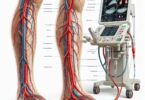
| Angiography (Lower Extremity) | 75716 | Angiogram, lower extremity |
| Biopsy (CT-guided) | 77012 | CT-guided needle biopsy |
| IVC Filter Placement | 37620 | Insertion of vena cava filter |
5. Modifiers in Radiology Billing
Modifiers provide additional information about a procedure. Common radiology modifiers include:
-
-26 (Professional Component): Used when billing only for physician interpretation.
-
-TC (Technical Component): Covers the technical aspect (equipment, staff).
-
-59 (Distinct Procedural Service): Indicates a separate procedure.
6. Billing and Reimbursement Challenges
-
Denials: Common due to incorrect coding or missing documentation.
-
Prior Authorization: Required for advanced imaging (MRI, CT).
-
Audit Risks: Upcoding or unbundling can trigger audits.
7. Coding Updates and Changes
CPT codes are updated annually. Recent changes include:
-
New codes for AI-assisted imaging analysis.
-
Revised guidelines for 3D reconstructions in CT/MRI.
8. Best Practices for Accurate Coding
-
Regular Training: Stay updated with AMA and CMS changes.
-
Detailed Documentation: Ensure reports support billed codes.
-
Audit Compliance: Conduct internal audits to prevent errors.
9. Case Studies
Case 1: A hospital reduced denials by 30% after implementing AI-based coding verification.
Case 2: A radiology group improved reimbursement by 20% through modifier training.
10. Conclusion
Accurate radiology CPT coding is crucial for reimbursement and compliance. By understanding common codes, modifiers, and billing challenges, healthcare providers can optimize revenue cycles. Regular training, documentation, and audits are key to minimizing errors and maximizing efficiency.
11. FAQs
Q1: What is the difference between CPT and ICD codes?
A: CPT codes describe procedures, while ICD codes diagnose conditions.
Q2: How often are radiology CPT codes updated?
A: Annually by the AMA.
Q3: Can modifiers increase reimbursement?
A: Yes, correct modifiers prevent claim denials.