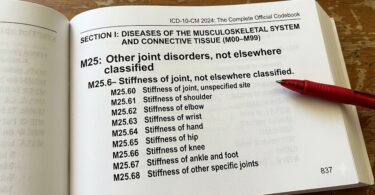
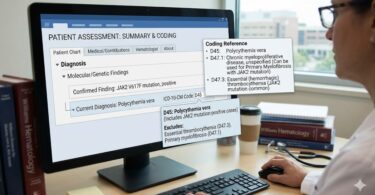
Headaches are one of the most common medical complaints, affecting millions of people worldwide. Whether mild or debilitating, headaches can significantly impact a person’s quality of life. For healthcare providers, accurately diagnosing and coding headaches is essential for proper treatment, insurance reimbursement, and medical research.
The International Classification of Diseases, 10th Revision (ICD-10), provides standardized codes for headaches, ensuring consistency in medical documentation. This guide explores the different ICD-10 codes for headaches, their clinical significance, and best practices for accurate coding.
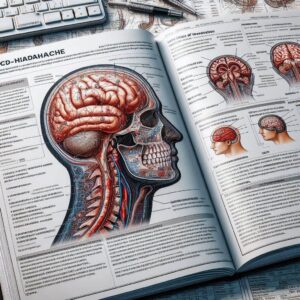
ICD-10 Code for Headache
2. Understanding Headaches and Their Classification
Headaches are broadly classified into two main categories:
-
Primary Headaches – These are not caused by an underlying medical condition and include migraines, tension-type headaches, and cluster headaches.
-
Secondary Headaches – These result from another medical condition, such as sinusitis, head injury, or hypertension.
Proper classification is crucial for selecting the correct ICD-10 code.
3. What is ICD-10?
The ICD-10 (International Classification of Diseases, 10th Revision) is a globally recognized system for coding diseases, symptoms, and medical procedures. It is used for:
-
Medical billing and insurance claims
-
Epidemiological research
-
Tracking public health trends
ICD-10 codes for headaches help standardize diagnoses, ensuring accurate communication among healthcare providers.
4. ICD-10 Codes for Different Types of Headaches
Below is a detailed breakdown of ICD-10 codes for various headache types:
A. Primary Headaches
| Headache Type | ICD-10 Code | Description |
|---|---|---|
| Migraine without aura | G43.909 | Common migraine without neurological symptoms |
| Migraine with aura | G43.109 | Migraine preceded by sensory disturbances |
| Tension-type headache | G44.209 | Chronic tension headache |
| Cluster headache | G44.009 | Severe, recurring pain around one eye |
B. Secondary Headaches
| Headache Type | ICD-10 Code | Description |
|---|---|---|
| Post-traumatic headache | G44.309 | Headache following head injury |
| Sinus headache | J01.90 | Due to sinusitis |
| Medication-overuse headache | G44.40 | Caused by excessive painkiller use |
C. Other Specified and Unspecified Headaches
| Headache Type | ICD-10 Code | Description |
|---|---|---|
| Other specified headache | G44.89 | Headaches not fitting standard categories |
| Unspecified headache | R51.9 | Headache of unknown origin |
5. How to Properly Code Headaches in Medical Billing
Accurate ICD-10 coding requires:
-
Detailed patient history (e.g., frequency, triggers, duration)
-
Clinical examination findings
-
Documentation of headache type (primary vs. secondary)
Example:
-
If a patient has chronic migraines without aura, the correct code is G43.909.
-
If the headache is due to sinusitis, use J01.90.
6. Common Documentation Errors and How to Avoid Them
Mistakes in headache coding can lead to claim denials. Common errors include:
-
Using unspecified codes (R51.9) when a specific code is available
-
Failing to document headache characteristics
-
Incorrectly classifying secondary headaches as primary
Best Practice: Always specify the headache type based on clinical assessment.
7. The Importance of Accurate ICD-10 Coding for Headaches
Proper coding ensures:
✔ Correct insurance reimbursement
✔ Better patient care through precise diagnosis
✔ Reliable health data for research
8. Headache Diagnosis and Treatment: A Brief Overview
Diagnosis may involve:
-
Neurological exams
-
Imaging (CT/MRI) for secondary headaches
-
Blood tests (if infection is suspected)
Treatment options:
-
Medications (NSAIDs, triptans, preventatives)
-
Lifestyle modifications (stress management, hydration)
-
Therapies (biofeedback, acupuncture)
9. Frequently Asked Questions (FAQs)
Q1: What is the ICD-10 code for a tension headache?
A: The code is G44.209 for chronic tension-type headache.
Q2: Can I use R51.9 for all headaches?
A: Only if the headache type is unspecified. Always use a more specific code when possible.
Q3: How do I code a migraine with aura?
A: Use G43.109 for migraines with neurological symptoms.
Q4: What is the code for a headache due to high blood pressure?
A: Code the underlying condition (e.g., I10 for hypertension) along with R51.9 if needed.
10. Conclusion
Accurate ICD-10 coding for headaches is essential for proper diagnosis, billing, and research. By using specific codes and thorough documentation, healthcare providers can improve patient care and avoid claim rejections. Always refer to the latest ICD-10 guidelines for updates.