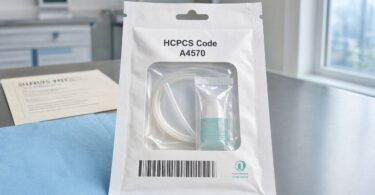
Healthcare billing is a complex system that relies on standardized codes to ensure accuracy and efficiency. One of the most critical coding systems in the U.S. is the Healthcare Common Procedure Coding System (HCPCS). These codes are used by Medicare, Medicaid, and private insurers to process claims for medical services, supplies, and equipment.
Understanding HCPCS codes is essential for healthcare providers, billers, and even patients who want to decode their medical bills. This guide will break down everything you need to know about HCPCS codes meaning—how they work, why they matter, and how they impact medical billing.

hcpcs code meaning
What Are HCPCS Codes?
Definition and Purpose
HCPCS (pronounced “hick-picks”) is a standardized coding system used to describe medical procedures, supplies, products, and services. It was developed by the Centers for Medicare & Medicaid Services (CMS) to streamline billing and reimbursement processes.
HCPCS codes are divided into two main levels:
-
Level I: CPT (Current Procedural Terminology) codes, maintained by the American Medical Association (AMA), primarily for physician services.
-
Level II: National codes for non-physician services like medical equipment, ambulance services, and drugs.
Who Uses HCPCS Codes?
-
Healthcare Providers: Doctors, hospitals, and clinics use these codes for billing.
-
Insurance Companies: Medicare, Medicaid, and private insurers rely on HCPCS for claims processing.
-
Medical Suppliers: Durable medical equipment (DME) providers and pharmacies use HCPCS for reimbursement.
The Structure of HCPCS Codes
Level I: CPT Codes (AMA)
CPT codes are five-digit numeric codes used for medical procedures and services. Examples:
-
99213: Office visit (established patient, moderate complexity)
-
90658: Influenza vaccine
Level II: National Codes (CMS)
These alphanumeric codes (one letter followed by four digits) cover services not included in CPT. Examples:
-
A0425: Ambulance service (basic life support)
-
J3420: Injection of vitamin B12
Level III: Local Codes (Discontinued in 2003)
Previously used by regional Medicare carriers, these were phased out in favor of national standardization.
How HCPCS Codes Are Used in Medical Billing
Medicare and Medicaid Billing
HCPCS codes are mandatory for Medicare and Medicaid claims. They help determine reimbursement rates and prevent fraud.
Private Insurance Use
Many private insurers also require HCPCS codes, though some may use modified versions.
Table 1: Common HCPCS Codes and Their Uses
| HCPCS Code | Description | Usage |
|---|---|---|
| J1100 | Dexamethasone injection | Used for inflammation treatment |
| E0601 | CPAP device | Sleep apnea therapy |
| A4215 | Sterile syringe | Medical supply billing |
Key Differences Between HCPCS Level I and Level II Codes
| Feature | HCPCS Level I (CPT) | HCPCS Level II |
|---|---|---|
| Maintained by | AMA | CMS |
| Format | 5-digit numbers | 1 letter + 4 digits |
| Coverage | Physician services | Supplies, drugs, equipment |
Common HCPCS Code Categories
1. Medical Supplies and Equipment (E-codes)
-
E0250: Hospital bed
-
E1399: Oxygen concentrator
2. Ambulance Services (A-codes)
-
A0428: Advanced life support transport
3. Drugs and Pharmaceuticals (J-codes)
-
J0897: Denosumab injection (osteoporosis treatment)
How to Look Up HCPCS Codes
Official CMS Resources
-
CMS HCPCS Website: www.cms.gov/medicare/coding/hcpcs
-
Medicare Fee Schedules
Third-Party Databases
-
AAPC Codify
-
Find-A-Code
Updates and Revisions to HCPCS Codes
CMS updates HCPCS codes annually. Providers must stay informed to avoid claim denials.
Frequently Asked Questions (FAQs)
1. What happens if I use the wrong HCPCS code?
Incorrect coding can lead to claim denials or audits. Always verify codes before submission.
2. Are HCPCS codes the same as CPT codes?
No, CPT codes are Level I, while HCPCS includes both Level I (CPT) and Level II codes.
3. Where can I find the latest HCPCS updates?
CMS publishes updates on their official website.
Conclusion
HCPCS codes are essential for accurate medical billing and reimbursement. Understanding their structure, usage, and updates helps providers avoid errors and streamline claims. Whether you’re a healthcare professional or a patient, knowing these codes can demystify medical billing.