Healthcare billing and coding are complex processes that require precision to ensure accurate reimbursement and compliance. Among the most critical coding systems used in the U.S. is the Healthcare Common Procedure Coding System (HCPCS), which is divided into two levels: Level I (CPT codes) and Level II (HCPCS codes).
HCPCS Level II codes are essential for billing Medicare, Medicaid, and other insurance providers for services and supplies not covered by CPT codes. These codes include medical equipment, ambulance services, prosthetics, and drugs administered in outpatient settings.
This comprehensive guide will explore HCPCS Level II codes in detail, covering their structure, usage, billing implications, and best practices. Whether you’re a medical coder, biller, healthcare provider, or administrator, this article will serve as an invaluable resource.

HCPCS Level II Codes
What Are HCPCS Level II Codes?
HCPCS Level II codes are alphanumeric codes used to identify medical services, supplies, and equipment not included in the CPT (Current Procedural Terminology) coding system. Managed by the Centers for Medicare & Medicaid Services (CMS), these codes are primarily used for billing government and private insurance programs.
Key Uses of HCPCS Level II Codes
-
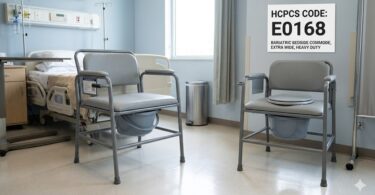
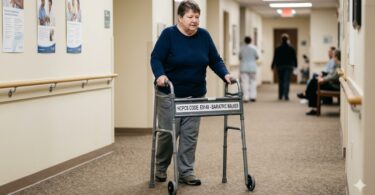
Billing for durable medical equipment (DME) (e.g., wheelchairs, oxygen supplies)
-
Coding ambulance services and prosthetic devices
-
Reporting drugs administered in outpatient settings
-
Identifying preventive services (e.g., flu shots)
History and Evolution of HCPCS Level II Codes
The HCPCS system was established in the 1970s to standardize medical billing across federal programs.
Timeline of HCPCS Level II Development
| Year | Milestone |
|---|---|
| 1978 | HCPCS Level II introduced to cover non-physician services |
| 1983 | Medicare mandates the use of HCPCS for DME and supplies |
| 1996 | HIPAA requires HCPCS for electronic healthcare transactions |
| 2003 | Medicare Modernization Act expands drug coding under HCPCS |
Structure and Format of HCPCS Level II Codes
HCPCS Level II codes consist of one alphabetical letter followed by four numbers (e.g., A0021 for ambulance services).
Breakdown of HCPCS Level II Code Categories
| Letter Range | Category | Examples |
|---|---|---|
| A | Transportation & Medical Supplies | A0021 (Ambulance service) |
| J | Drugs Administered | J3420 (Vitamin B12 injection) |
| L | Orthotics & Prosthetics | L1830 (Knee orthosis) |
| E | Durable Medical Equipment | E0601 (CPAP device) |
Key Differences Between HCPCS Level I (CPT) and Level II Codes
| Feature | HCPCS Level I (CPT) | HCPCS Level II |
|---|---|---|
| Managed by | American Medical Association (AMA) | Centers for Medicare & Medicaid Services (CMS) |
| Code Structure | 5-digit numeric (e.g., 99213) | 1 letter + 4 digits (e.g., A0425) |
| Coverage | Physician & outpatient services | Medical supplies, DME, drugs, transportation |
Common Categories of HCPCS Level II Codes
-
Durable Medical Equipment (DME) – Wheelchairs (E0130), oxygen concentrators (E1390)
-
Ambulance Services – A0425 (Ground ambulance)
-
Prosthetics & Orthotics – L5980 (Prosthetic foot)
-
Drugs & Biologicals – J3490 (Unclassified drugs)
How to Use HCPCS Level II Codes Correctly
-
Verify code descriptions in the latest HCPCS manual
-
Ensure medical necessity documentation supports the claim
-
Use modifiers when applicable (e.g., KX for DME documentation)
Billing and Reimbursement with HCPCS Level II Codes
Medicare and private insurers require HCPCS Level II codes for reimbursement. Errors can lead to claim denials or audits.
Common Billing Mistakes
-
Using outdated codes
-
Missing required modifiers
-
Incorrect documentation for DME
Updates and Revisions to HCPCS Level II Codes
CMS updates HCPCS Level II codes annually, with changes effective January 1.
2024 Notable Updates
-
New codes for COVID-19 vaccines
-
Revisions to diabetic supply codes
Challenges and Common Mistakes When Using HCPCS Level II Codes
-
Undercoding/Overagecoding – Leads to lost revenue or fraud risks
-
Lack of Specificity – Using unspecified codes (e.g., A9999) without justification
Best Practices for Accurate Coding
✅ Stay updated with annual CMS changes
✅ Use coding software with built-in HCPCS validation
✅ Train staff regularly on coding guidelines
Conclusion
HCPCS Level II codes are vital for billing medical supplies, equipment, and non-physician services. Understanding their structure, proper usage, and updates ensures accurate reimbursement and compliance. By following best practices and avoiding common mistakes, healthcare providers can optimize revenue cycles and reduce audit risks.
Frequently Asked Questions (FAQs)
1. What is the difference between HCPCS Level I and Level II codes?
HCPCS Level I (CPT) covers physician services, while Level II covers supplies, equipment, and non-MD services.
2. How often are HCPCS Level II codes updated?
Annually, with changes effective January 1.
3. Can HCPCS Level II codes be used for private insurance?
Yes, many private insurers also require them for DME and drug billing.