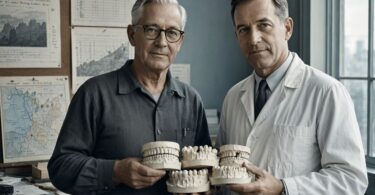
Turkey has become a global hub for dental tourism. Every year, thousands of patients travel from Europe, the United States, and the Middle East to receive high-quality dental care at a fraction of the price they would pay at home. Dental implants are the most sought-after procedure in this booming industry.
But how much does it actually cost to get a dental implant in Turkey? The answer depends on the brand, the clinic, and the city. This article provides a comprehensive breakdown of the financial landscape for dental implants in Turkey. We will explore why prices are low, what is included in packages, and how to budget for your trip.

How Much Does It Cost In Turkey For Dental Implants?
Why Are Dental Implants Cheaper in Turkey?
Before discussing numbers, it is helpful to understand the economic factors at play. Many people assume lower cost means lower quality. In Turkey, this is often not the case. The lower prices stem from several structural advantages.
Lower Operating Costs
The cost of living in Turkey is significantly lower than in Western Europe or North America. This translates to lower salaries for dental staff, lower rent for clinics, and lower utility bills. These savings are passed on to the patient.
Government Incentives
The Turkish government actively supports health tourism. They offer tax breaks and incentives to clinics that treat international patients. This helps keep prices competitive.
High Competition
Cities like Istanbul, Antalya, and Izmir have a dense concentration of dental clinics. This competition drives prices down. Clinics must offer competitive rates and high-quality service to attract international patients.
Exchange Rates
The Turkish Lira has experienced significant volatility against the US Dollar and Euro. This often makes services cheaper for foreigners paying in stronger currencies.
The Average Cost of Dental Implants in Turkey
The price of a single dental implant in Turkey varies based on the brand of the implant and the material of the crown (the visible tooth part).
| Treatment Component | Price Range (in USD) | Price Range (in EUR) | Notes |
|---|---|---|---|
| Implant Fixture (Titanium) | $250 – $600 | €230 – €550 | The screw placed in the jawbone. |
| Abutment | $100 – $250 | €90 – €230 | The connector piece. |
| Porcelain Crown | $150 – $350 | €140 – €320 | The visible tooth. |
| Zirconium Crown | $200 – $500 | €180 – €460 | Stronger, more aesthetic option. |
| Total (All-in-One) | $500 – $1,200 | €460 – €1,100 | Average cost per tooth. |
Note: This is the cost of the dentistry only. It does not include flights or hotels unless you book an all-inclusive package.
Brand Comparison
The brand of the implant fixture greatly influences the price.
-
Budget Brands (Local Turkish): These start around $400 per tooth.
-
Mid-Range Brands (South Korean, e.g., Osstem): These cost between $500 and $700 per tooth.
-
Premium Brands (Swiss/German, e.g., Straumann or Nobel Biocare): These cost between $800 and $1,200 per tooth.
Many clinics offer “Premium” packages using Straumann or Nobel brands, which command a higher price but offer extensive lifetime warranties.
Full Mouth Dental Implants in Turkey
Many patients do not need just one implant; they need a full restoration. Turkey is famous for the “All-on-4” or “All-on-6” treatment concepts. This involves placing four to six implants in the jaw and attaching a full arch of prosthetic teeth.
All-on-4/All-on-6 Pricing
The cost for a full jaw restoration is significantly higher than a single tooth, but still much cheaper than in the US or UK.
| Procedure | Average Cost in Turkey (USD) | Average Cost in USA (USD) | Average Cost in UK (GBP) |
|---|---|---|---|
| Full Mouth (All-on-4) | $4,000 – $8,000 | $25,000 – $35,000 | £12,000 – £20,000 |
| Full Mouth (All-on-6) | $5,500 – $10,000 | $30,000 – $45,000 | £15,000 – £25,000 |
| Implant Supported Dentures | $3,000 – $6,000 | $15,000 – $20,000 | £8,000 – £12,000 |
These prices usually include the surgery, the implants, and the temporary or permanent denture teeth.
What is Usually Included in a Turkish Package?
Most clinics in Istanbul and Antalya do not just sell you an implant. They sell you a “Dental Holiday” package. It is important to know what you are paying for.
Typical Inclusions
-
Consultation and X-Rays: 3D CT scans and panoramic x-rays.
-
The Surgery: Placement of the implant fixture.
-
Medication: Antibiotics and painkillers.
-
Temporary Teeth: If applicable, so you are not without teeth during healing.
-
Transfers: Transportation between the airport, hotel, and clinic.
-
Hotel Accommodation: Many packages include 3 to 5 nights in a 4 or 5-star hotel.
Typical Exclusions
-
Flights: International airfare is usually the patient’s responsibility.
-
Bone Grafting: If you lack jawbone density, a bone graft will cost extra (usually $200 to $500 per area).
-
Sinus Lifts: Similar to bone grafts, this adds cost.
-
Permanent Crowns: Some packages quote the implant only and charge separately for the final zirconium crown.
How Much Does a Dental Implant Cost in Istanbul vs. Antalya?
There is a slight price variation within Turkey.
Istanbul
Istanbul is the most popular destination. It has the highest concentration of clinics. Prices here are very competitive, but premium clinics in luxury districts like Nisantasi may charge more for the “experience.”
Antalya
Antalya is a resort city. Patients often choose it to combine surgery with a beach vacation. Prices are often slightly higher than Istanbul due to the resort setting, but still very affordable.
Izmir
Izmir offers a middle ground. It is a large city with excellent medical facilities, and prices can be lower than both Istanbul and Antalya due to less tourism demand.
Step-by-Step: The Dental Implant Process in Turkey
Understanding the timeline helps you budget for the length of your stay. There are two main approaches: the “Two-Stage” (traditional) and the “One-Stage” (immediate loading).
The Two-Stage Procedure (Two Trips)
-
First Trip (Surgery): You fly to Turkey. The dentist places the titanium implant into your jawbone. You stay for 3-5 days. The gum is stitched over the implant. You fly home.
-
Healing Period: You wait 3 to 6 months at home. This allows the bone to fuse with the implant (osseointegration).
-
Second Trip (Crown): You fly back to Turkey. The dentist exposes the implant and places the abutment and the crown. This trip is usually shorter (3-4 days).
The Immediate Loading Procedure (One Trip)
For patients getting full mouth restorations or specific single implants, the dentist can place the implant and a temporary (or sometimes final) tooth on the same day. This requires careful planning and high implant stability.
Is It Safe? Understanding the Risks
While the cost is attractive, you must do your homework. The standard of care in top Turkish clinics is world-class, but there are also “dental mills” that cut corners.
How to Vet a Turkish Dentist
-
Check Credentials: Look for membership in the Turkish Dental Association (TDB) or international bodies like the International Congress of Oral Implantologists (ICOI).
-
Read Reviews: Check Google Reviews and Trustpilot. Look for reviews from your specific country.
-
Ask About Warranty: Reputable clinics offer a lifetime warranty on the implant fixture and a 5 to 10-year warranty on the crown.
-
Communication: Ensure the clinic has an English-speaking coordinator. You need to understand the treatment plan.
The Hidden Costs of Travel
When calculating the total cost, don’t forget the logistics.
-
Flights: Round-trip flights from the US to Istanbul range from $800 to $1,500. From the UK, flights are usually £150 to £400.
-
Passport and Visa: Turkey has a simple e-Visa system for many nationalities, costing around $50. US citizens require a visa. UK citizens do not.
-
Food and Spending: If breakfast is included at the hotel, budget $20 to $40 per day for lunch and dinner.
-
Complications: If you need a bone graft, expect to add $300 to $600 to your bill.
The Financial Verdict
The cost of a dental implant in Turkey offers undeniable value. You can save up to 70% compared to prices in the United States or the United Kingdom. A single tooth implant that costs $4,000 in the US can be obtained for $800 in Turkey, including a hotel stay.
However, the savings only make sense if the quality is high and the communication is clear. Taking the time to research your clinic will ensure you receive excellent care and a great financial deal.
Conclusion
Turkey offers some of the lowest prices in the world for dental implants, with a single tooth costing between $500 and $1,200. The savings are driven by lower living costs, government support, and favorable exchange rates. While travel costs must be considered, the total expense for an international patient is often less than the cost of the implants alone in their home country. By choosing a reputable clinic with a clear warranty, patients can achieve a beautiful smile and significant financial savings.
Frequently Asked Questions (FAQ)
How much is a full set of teeth in Turkey?
A full set of permanent teeth using the All-on-4 or All-on-6 method costs between $4,000 and $10,000 per jaw. This includes the implants and a fixed bridge of teeth.
Do I need a bone graft?
Many patients who have been missing teeth for years suffer from bone loss. A 3D CT scan is required to determine bone density. If a graft is needed, it adds to the cost and extends the healing time.
Is it cheaper to use a local Turkish implant brand?
Yes. Local brands like NTA or Implance are cheaper. However, international patients often prefer Korean (Osstem) or Swiss (Straumann) brands due to their global warranty coverage and long-term track record.
How long does the pain last after the surgery?
Most patients experience discomfort and swelling for 3 to 5 days. The pain is usually manageable with standard over-the-counter painkillers like Ibuprofen.
Can I pay in installments?
Most Turkish clinics require payment upfront or upon completion of the treatment. Some clinics accept credit cards, which allows you to pay your bank back in installments, but the clinic generally requires full payment before you leave Turkey.
Additional Resources
-
Turkish Dental Association (TDB): For verifying the legitimacy of dentists. Visit www.tdb.org.tr.
-
Health Türkiye: The official government portal for health tourism. Visit www.healthturkiye.com.
Does Medicare Cover The Cost Of Repairing A Partial Denture?
Dental care is a significant concern for older Americans. As we age, our dental needs often increase, yet our insurance coverage becomes more confusing. Original Medicare (Part A and Part B) is the federal health insurance program for people aged 65 and older. Many beneficiaries wonder if Medicare will help pay for their dental needs, particularly for the repair of a partial denture.
The short answer is usually no. However, there are some exceptions and alternative options available. This guide explores the relationship between Medicare and denture repair costs in detail. We will look at why Medicare does not cover it, what the exceptions are, and how you can manage the expense.
The Basic Rule: Medicare and Dental Exclusion
It is crucial to understand the foundational policy of Medicare. Since its inception in 1965, Medicare has excluded most routine dental care. This includes cleanings, fillings, tooth extractions, and dental devices like dentures and partials.
What This Means for Denture Repair
If your partial denture breaks, cracks, or needs a reline, Original Medicare will not pay for the repair. This applies to:
-
Broken Clasps: The metal hooks that hold the partial to your teeth.
-
Cracked Acrylic: The pink gum-colored base.
-
Replacement Teeth: If a tooth on the partial falls off.
-
Relines: Reshaping the underside of the denture to fit your gums better.
You are responsible for 100% of the cost of these repairs if you only have Original Medicare.
Understanding Original Medicare Parts
To understand the “why,” it helps to look at the structure of Medicare.
Medicare Part A (Hospital Insurance)
Part A covers inpatient hospital care. It only covers dental services if the dental procedure is so complex it must be performed in a hospital setting (e.g., jaw reconstruction after an accident). It does not cover denture repairs.
Medicare Part B (Medical Insurance)
Part B covers outpatient medical services. It covers some dental services, but only if they are an integral part of a covered medical procedure. For example, if you need a tooth extracted before radiation therapy for jaw cancer, Part B might cover that extraction. However, repairing a partial denture a year later is not considered a medical necessity under these rules.
When Does Medicare Cover Dental Costs?
There are very narrow exceptions. You should know them because some Medicare Advantage plans or supplemental policies might refer to them.
The “Medically Necessary” Exception
If you require a dental procedure as part of a covered medical service, Medicare may pay.
-
Example: You are having heart surgery. The surgeon requires an oral exam to clear you for surgery. The exam is covered.
-
Example: You have an accident and break your jaw. The hospital treatment and the wiring of the jaw are covered.
Part A Hospital Stays
If you are in the hospital and a dentist comes to your room to perform an emergency procedure that is part of your medical care, Part A might pay the facility fee. But the dentist’s fee might still fall under Part B rules.
Repairing a partial denture almost never falls into these exceptions. It is considered routine prosthetic maintenance.
The Role of Medicare Advantage Plans (Part C)
This is where the good news begins. If you are enrolled in a Medicare Advantage Plan (also known as Part C), you likely have dental coverage.
Medicare Advantage plans are offered by private insurance companies approved by Medicare. They must cover everything Original Medicare covers, but they can offer extra benefits. Most modern Medicare Advantage plans include dental benefits.
Typical Coverage for Denture Repair
If you have a Medicare Advantage plan with dental benefits, your plan may cover denture repairs. Here is what to look for in your plan documents:
-
The Schedule of Benefits: Look for “Prosthetics” or “Denture Services.”
-
The Annual Maximum: This is the limit the plan will pay per year. It is often between $500 and $2,000.
-
The Coinsurance: You usually pay a percentage (e.g., 50%) of the cost.
Example:
You need a partial denture repair costing $300. Your plan has a $0 deductible for dentures and covers 50%. You pay $150, and the plan pays $150.
Stand-Alone Dental Plans
If you have Original Medicare and a Medigap (Supplement) policy, you do not have dental coverage. Medigap plans do not cover dental work unless they are newer plans that offer a small “preventive” package, but usually not repairs.
To get coverage for denture repair, you would need to buy a Stand-Alone Dental Plan from a private insurer.
Types of Stand-Alone Plans
-
PPO Plans: Offer a network of dentists. You pay less if you stay in-network.
-
HMO Plans: Usually cheaper premiums but require you to use a specific primary dental provider.
Waiting Periods
This is a critical warning. If you buy a dental plan today and your partial breaks tomorrow, your repair may not be covered.
-
Basic Services: Often have a 3 to 6 month waiting period.
-
Major Services: Can have a 12-month waiting period.
-
Repairs: Sometimes classified as basic, sometimes as major. Check the fine print.
How Much Does a Partial Denture Repair Cost Out of Pocket?
If Medicare does not cover you and you have no other insurance, you will pay cash. Fortunately, repairing a partial is usually much cheaper than replacing it.
| Type of Repair | Average Cost (Cash Pay) | Details |
|---|---|---|
| Simple Adjustment | $50 – $100 | Dentist adjusts the wire clasps. |
| Reline (Hard) | $200 – $400 | Reshapes the base to fit the gums. |
| Reline (Soft) | $250 – $500 | Provides a cushion for sore gums. |
| Broken Clasp Repair | $150 – $300 | Replace the metal wire. |
| Tooth Replacement | $100 – $250 | Add a new tooth to the base. |
| Fracture Repair | $200 – $400 | Repairing a crack in the pink base. |
Low-Cost Options for Seniors
If you cannot afford the repair, you have options other than just dealing with a broken denture.
Dental Schools
Dental schools and dental hygiene schools offer services at reduced rates. Students perform the work under the supervision of licensed instructors. The process takes longer, but the savings are significant (often 30% to 50% less).
Community Health Centers
Federally funded health centers (FQHCs) provide dental care to underserved populations. Many operate on a sliding-fee scale based on your income. You can search for a center near you on the HRSA website.
Donated Dental Services (DDS)
This program provides free dental care to seniors with disabilities or low income. Eligibility requirements are strict, but it is worth investigating if you are in financial distress.
Negotiating with Your Dentist
Dentists are often understanding of financial constraints. Ask if they offer a cash discount or a short-term payment plan. If your denture is old, they might advise against repairing it if the cost exceeds the value of the denture.
Repair vs. Replace: A Financial Decision
Sometimes, fixing an old partial is throwing good money after bad.
When to Repair
-
The partial is less than 5 years old.
-
The repair is simple (a single broken clasp).
-
The denture fits well otherwise.
When to Replace
-
The partial is over 10 years old.
-
Multiple teeth are missing or broken.
-
The gums have receded significantly, and the denture no longer fits.
-
The cost of the repair is more than half the cost of a new partial.
A new partial denture can cost between $700 and $1,800. If your repair quote is $1,000, a new one might be a better investment.
The Future of Medicare and Dental
There is currently legislative debate in Washington D.C. about adding a dental benefit to Medicare Part B. Several bills have been proposed.
Proposed Changes
Lawmakers have discussed adding coverage for “medically necessary” dental services and eventually expanding to routine care. However, as of the current year, these changes have not been passed into law. You should not rely on future legislation to cover your current needs.
Conclusion
Original Medicare (Part A and Part B) does not cover the cost of repairing a partial denture. This is due to the statutory exclusion of routine dental care. However, many seniors can obtain coverage through Medicare Advantage plans or private stand-alone dental insurance. If you are uninsured, the cost of repair is usually manageable, ranging from $100 to $400, and assistance is available through dental schools and community clinics.
Frequently Asked Questions (FAQ)
Does AARP Medicare Supplement cover dentures?
No. AARP Medicare Supplement (Medigap) plans do not cover dental services. They only fill the “gaps” in Original Medicare, such as deductibles and coinsurance for medical services. You would need a separate dental policy or an Advantage plan.
Can I use my Flexible Spending Account (FSA) for denture repair?
Yes. If you have an FSA through an employer, you can use those pre-tax dollars to pay for denture repairs. The same applies to Health Savings Accounts (HSAs).
Is a broken denture considered a medical emergency?
If the denture is not causing severe pain or bleeding, it is not a medical emergency. However, if you have a disability or rely on the denture for nutrition and cannot eat, a hospital might provide emergency care, but they will not repair the denture itself. You need a dentist for that.
How long do partial dentures last?
A well-made partial denture can last 5 to 10 years. Your mouth changes shape over time, so you may need relines or adjustments during that period.
What is the difference between a full denture and a partial?
A full denture replaces all teeth on the upper or lower jaw. A partial denture replaces only a few missing teeth and usually attaches to remaining natural teeth with metal clasps or precision attachments.
Additional Resources
-
Medicare.gov: The official government site. Search “Dental services” for the exact coverage rules. Visit www.medicare.gov.
-
National Association of Dental Plans (NADP): For finding a stand-alone dental plan. Visit www.nadp.org.