
Preventive dentistry is the cornerstone of long-term oral health, and the D1320 dental code plays a pivotal role in ensuring patients receive proper guidance to maintain healthy teeth and gums. Unlike routine cleanings or fluoride treatments, D1320 focuses on personalized counseling, helping patients understand how to improve their oral hygiene habits.
This article provides an in-depth exploration of D1320, covering its clinical applications, insurance considerations, and best practices for implementation. Whether you’re a dentist, hygienist, or patient, understanding this code can lead to better preventive care and reduced dental complications.
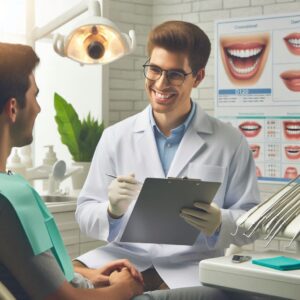
D1320 Dental Code
2. Understanding the D1320 Dental Code
Definition and Purpose
The D1320 code, as defined by the American Dental Association (ADA), refers to “counseling for the control and prevention of adverse oral, behavioral, and systemic health effects.” It is a preventive service aimed at educating patients on:
-
Proper brushing and flossing techniques
-
Diet modifications to reduce caries risk
-
Tobacco cessation counseling
-
Managing oral health with systemic conditions (e.g., diabetes)
Who Can Perform D1320?
-
Dentists
-
Dental Hygienists (under dentist supervision in some states)
-
Expanded Function Dental Assistants (EFDAs) (where permitted)
When Is It Used?
D1320 is typically applied in cases where patients exhibit:
-
High caries risk
-
Poor oral hygiene habits
-
Gingivitis or early periodontal disease
-
Systemic conditions affecting oral health
3. The Importance of Preventive Dental Counseling
Studies show that personalized oral hygiene counseling significantly reduces plaque buildup, cavities, and gum disease. A Journal of Dental Research study found that patients receiving structured counseling had 30% fewer cavities over five years compared to those who did not.
Long-Term Benefits for Patients
-
Reduced need for restorative treatments (fillings, crowns)
-
Lower risk of periodontal disease
-
Improved overall health (due to links between oral and systemic health)
4. D1320 vs. Other Preventive Dental Codes
| Code | Description | Key Differences |
|---|---|---|
| D1320 | Preventive counseling (personalized) | Focuses on behavior modification |
| D1330 | Oral hygiene instructions (generic) | General advice, not customized |
| D1110 | Adult prophylaxis (cleaning) | Mechanical plaque removal |
| D1120 | Child prophylaxis (cleaning) | Same as D1110, but for kids |
D1320 is not a substitute for prophylaxis but rather a complementary service that enhances patient outcomes.
5. Step-by-Step Procedure for D1320
Patient Assessment
-
Review medical/dental history
-
Identify risk factors (e.g., smoking, poor diet)
Customized Counseling Approach
-
Demonstrate proper brushing/flossing techniques
-
Discuss diet modifications (e.g., reducing sugar intake)
-
Provide tobacco cessation resources (if applicable)
Documentation Requirements
-
Detailed notes on patient education provided
-
Follow-up recommendations
6. Insurance and Reimbursement for D1320
-
Covered by most PPO plans (but frequency may be limited)
-
Medicaid often includes D1320 for pediatric patients
-
Common denial reasons:
-
Lack of documentation
-
Incorrect coding (e.g., using D1330 instead)
-
7. Case Studies and Real-World Applications
Case Study 1: Pediatric Patient with High Caries Risk
A 7-year-old with multiple cavities received D1320 counseling, including diet advice and fluoride toothpaste recommendations. After six months, no new cavities developed.
Case Study 2: Diabetic Adult with Gum Disease
A 55-year-old diabetic with bleeding gums was counseled on better brushing techniques and blood sugar control. Gum health improved within three months.
8. Enhancing Patient Compliance with D1320
-
Use visual aids (e.g., models, videos)
-
Follow-up reminders (text/email)
-
Motivational interviewing techniques
9. Common Misconceptions About D1320
❌ Myth: “D1320 is the same as a dental cleaning.”
✅ Fact: It’s an educational service, not a clinical procedure.
❌ Myth: “Only children need preventive counseling.”
✅ Fact: Adults with poor hygiene or health conditions benefit greatly.
10. Future Trends in Preventive Dental Counseling
-
AI-powered patient education tools
-
Teledentistry for remote counseling
-
Greater insurance coverage for preventive services
11. Conclusion
The D1320 dental code is an essential tool for preventive oral health, helping patients adopt better hygiene habits and avoid future dental problems. By incorporating personalized counseling, dental professionals can reduce cavities, gum disease, and overall treatment costs. Proper documentation and patient engagement are key to maximizing its benefits.
12. FAQs
Q1: How often can D1320 be billed?
Most insurers allow once per visit, but frequency depends on the plan.
Q2: Can D1320 be billed with a prophylaxis (D1110/D1120)?
Yes, as they serve different purposes (cleaning vs. education).
Q3: Does Medicaid cover D1320?
Yes, especially for children and high-risk adults.
13. Additional Resources
-
ADA’s Guide to Dental Codes (www.ada.org)
-
CDC Oral Health Tips (www.cdc.gov/oralhealth)


