Oral cancer is a serious and potentially life-threatening disease, with over 54,000 new cases diagnosed annually in the U.S. alone. Early detection is critical, as the 5-year survival rate for late-stage oral cancer is only about 30%, compared to 80-90% when caught early.
Dentists play a pivotal role in early detection through oral cancer screenings, often performed during routine dental exams. However, many dental practices struggle with proper billing and coding for these screenings, leading to claim denials and lost revenue.
This comprehensive guide will cover:
-
The medical necessity of oral cancer screenings
-
Current Dental Terminology (CDT) codes used for billing
-
Insurance reimbursement policies
-
Best practices for documentation and claim submission
-
Emerging technologies improving detection
By the end of this article, dental professionals will have a clear understanding of how to properly bill for oral cancer screenings, maximize reimbursements, and contribute to better patient outcomes.

Oral Cancer Screening Dental Code Billing
2. The Importance of Oral Cancer Screening in Dentistry
Oral cancer screenings are a standard of care in modern dentistry. The American Dental Association (ADA) and the American Cancer Society (ACS) recommend that dentists perform visual and tactile oral cancer screenings at least once a year for all adult patients, especially those with risk factors such as:
-
Tobacco use (smoking, chewing)
-
Heavy alcohol consumption
-
HPV (Human Papillomavirus) infection
-
Prolonged sun exposure (for lip cancer)
-
Age (most cases occur in patients over 40)
Early detection through screenings can lead to:
✔ Less invasive treatments
✔ Higher survival rates
✔ Lower healthcare costs
Despite its importance, many dental offices underutilize oral cancer screenings due to billing complexities. The next sections will clarify coding and reimbursement strategies.
3. Common Oral Cancer Screening Methods
Dentists use several techniques to detect abnormalities:
A. Visual and Tactile Examination
-
Inspection of lips, gums, tongue, and oral mucosa
-
Palpation of lymph nodes and soft tissues
B. Adjunctive Screening Tools
| Screening Tool | Description | Pros | Cons |
|---|---|---|---|
| ViziLite® | Chemiluminescent light enhances abnormal tissue visibility | Non-invasive, quick | Higher cost, not covered by all insurers |
| Toluidine Blue Stain | Dye highlights dysplastic cells | Helps identify high-risk lesions | Can produce false positives |
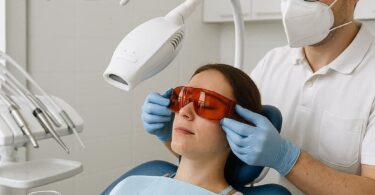
| OralID® (Fluorescence Imaging) | Blue light detects metabolic changes in cells | Early detection, FDA-approved | Requires training |
| Brush Biopsy (OralCDx®) | Collects cells for lab analysis | Minimally invasive | Longer wait for results |
C. Emerging Technologies
-
AI-powered imaging for early lesion detection
-
Salivary biomarkers for non-invasive testing
4. Dental Codes for Oral Cancer Screening (CDT Codes)
The Code on Dental Procedures and Nomenclature (CDT) includes specific codes for oral cancer screenings. The most commonly used is:
CDT Code D0431 – Oral Cancer Screening
| Code | Description | Frequency | Covered by Insurance? |
|---|---|---|---|
| D0431 | “Adjuvant pre-diagnostic test that aids in detection of mucosal abnormalities including premalignant and malignant lesions, not to include cytology or biopsy procedures.” | Typically once per year | Varies by insurer |
Other Relevant Codes:
-
D7286 – Brush biopsy (cytology sample)
-
D7287 – Incisional biopsy
-
D7288 – Excisional biopsy
5. Understanding CDT Code D0431
Key Points About D0431:
-
Not a substitute for a biopsy (definitive diagnosis requires histopathology).
-
Separate from a routine oral exam (D0120, D0150).
-
Can be billed alongside prophylaxis (D1110) or periodontal maintenance (D4910).
Insurance Coverage:
-
Medicare: Does not cover D0431 (considered diagnostic, not preventive).
-
Private Insurers: Some cover D0431 once per year (check individual policies).
-
Medicaid: Varies by state.
Best Practices for Billing D0431:
-
Document thoroughly (note risk factors, screening method used).
-
Use the correct modifier (if required by insurer).
-
Submit with supporting notes to prevent denials.
6. Medicare and Insurance Reimbursement for Oral Cancer Screening
Medicare Coverage for Oral Cancer Screenings
Medicare does not typically cover D0431 because it is considered a diagnostic rather than a preventive service. However, if a lesion is found and a biopsy is performed (D7286-D7288), Medicare may cover the diagnostic procedure.
Private Insurance Policies
| Insurance Provider | Coverage for D0431 | Frequency | Notes |
|---|---|---|---|
| Delta Dental | Often covered | Once per year | Requires documentation |
| MetLife | Varies by plan | Case-by-case | May require pre-authorization |
| Aetna | Sometimes covered | Annually | Check individual policy |
Tips for Maximizing Reimbursement:
✔ Verify benefits before performing the screening.
✔ Appeal denials with clinical notes.
✔ Consider bundling with other covered services.
7. Best Practices for Documenting and Billing Oral Cancer Screenings
Proper documentation is crucial for claim approval and legal protection. Include:
-
Patient’s risk factors (tobacco use, HPV status, etc.)
-
Screening method used (visual, ViziLite®, etc.)
-
Findings (normal, suspicious lesion, referral details)
Example Documentation:
*”Patient presents with a 20-year smoking history. Oral cancer screening performed using ViziLite®; no abnormalities detected. Recommended annual screening due to tobacco use risk.”*
8. Challenges in Billing for Oral Cancer Screenings
Common issues include:
-
Claim denials (insurers arguing screening is part of routine exam)
-
Low reimbursement rates (some pay only $15-$30 for D0431)
-
Lack of patient awareness (patients decline due to cost concerns)
Solutions:
-
Educate patients on the importance of screenings.
-
Use adjunctive tools to justify separate billing.
-
Appeal denied claims with supporting evidence.
9. Future Trends in Oral Cancer Detection and Billing
-
AI and machine learning improving early detection.
-
Saliva-based DNA tests for high-risk patients.
-
Expanded insurance coverage due to rising oral cancer rates.
10. Conclusion
Oral cancer screenings save lives, but proper billing is essential for sustainability. By using CDT code D0431, documenting thoroughly, and staying updated on insurance policies, dental practices can improve detection rates and maximize reimbursements. Emerging technologies promise even more accurate screenings, making this a critical area of growth in preventive dentistry.
11. Frequently Asked Questions (FAQs)
Q1: Is oral cancer screening covered by insurance?
A: Some private insurers cover D0431, but Medicare usually does not. Always verify benefits beforehand.
Q2: How often should oral cancer screenings be performed?
A: The ADA recommends at least once per year, more frequently for high-risk patients.
Q3: Can I bill D0431 with a routine cleaning?
A: Yes, as long as the screening is separately documented and justified.
Q4: What if a suspicious lesion is found?
A: Perform a biopsy (D7286-D7288) and refer to an oral surgeon or oncologist.
Q5: Why do some insurers deny D0431 claims?
A: They may argue it’s part of a standard exam. Appeal with detailed clinical notes.