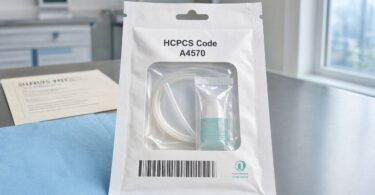
Many people face a common challenge when dealing with incontinence supplies. You might have a prescription from your doctor. You might know the exact brand and size that works best. Yet, the paperwork stops you cold. The world of medical billing uses a language all its own. And at the center of this language sits the HCPCS code for adult pull ups.
This guide breaks down that language into plain English. We will walk through the specific codes you need. We will explain how to get these essential products covered by insurance or Medicaid. You will learn about documentation, state-specific rules, and the common pitfalls that lead to denials.
No one plans to need absorbent products. But life happens. You deserve a clear, honest roadmap to navigate this system without the usual frustration and confusion.

Understanding the Basics of Incontinence Product Coding
Before we dive into the specific numbers, let us build a solid foundation. The medical supply world does not just call these products “adult pull ups.” They use standardized codes. These codes let suppliers, doctors, and insurance companies speak the same language.
What Does HCPCS Stand For?
HCPCS stands for Healthcare Common Procedure Coding System. Say it out loud a few times, and it becomes less intimidating. Think of it as a giant catalog. Every medical supply, service, and piece of equipment gets a unique number. This number, the HCPCS code, tells the insurance company exactly what item you need.
The system splits into two levels. Level I covers standard medical procedures and services. Level II covers supplies, products, and equipment that fall outside standard doctor visits. Incontinence products, including adult pull ups, live in Level II.
Why the Right Code Matters So Much
Using the wrong code can derail your entire claim. An incorrect code sends a signal to the insurance company that something does not match. They may deny the claim outright. They may delay payment for weeks. They may even flag your account for review.
The right code, on the other hand, streamlines everything. It tells the insurer, “This patient has a documented medical need for this specific product.” It connects the diagnosis from the doctor to the item the supplier provides. This connection forms the backbone of every successful claim.
“The HCPCS code acts as a bridge between a patient’s medical necessity and the product that meets that need. Without the correct code, the bridge collapses, and the patient is left without coverage.” — A guiding principle in medical billing.
Incontinence Products: A Category Overview
The HCPCS system groups incontinence items into a few broad buckets. You have disposable briefs, sometimes called adult diapers, which usually feature tabs on the sides. You have disposable undergarments, commonly called pull ups. You have liners, guards, underpads, and reusable items. Each category has its own code or set of codes.
This article focuses squarely on the pull up category. But understanding where pull ups fit within the larger landscape helps you avoid mix-ups. A brief with tabs uses a different code from a pull-on undergarment. Knowing this distinction can save you hours of headaches.
The Primary HCPCS Code for Adult Pull Ups
Now, let us get to the heart of the matter. The main HCPCS code for adult pull ups, the one used most often for billing disposable absorbent undergarments that pull on like regular underwear, is T4529.
HCPCS Code T4529: Definition and Scope
T4529 describes a “Disposable incontinence undergarment, pull-on style, any size.” The official language is clinical, but the meaning is straightforward. This code covers the products you buy at a medical supply store or receive through a Medicaid provider that you step into and pull up. They do not have tabs or fasteners.
The phrase “any size” is crucial. Whether you need a small, medium, large, or extra-large, T4529 covers it. You do not need a separate code for each size. The supplier bills one unit of T4529 for each pull up provided.
The scope of T4529 covers a wide range of absorbency levels, from light to heavy. The code itself does not differentiate between moderate and maximum absorbency. The supplier chooses the specific product based on the patient’s assessed need, and the code remains the same.
Who Uses T4529?
T4529 sees the most use in home healthcare settings, long-term care facilities, and for individuals receiving supplies through state Medicaid programs. You will also see it on claims submitted to private insurance companies, though private payers sometimes have their own coding preferences or require additional modifiers.
Suppliers, durable medical equipment (DME) companies, and pharmacies all use T4529 when billing for pull ups. If you order supplies through a mail-order program tied to your insurance, the packing slip will likely reference this code.
T4529 and Medicaid Coverage
Medicaid programs in many states rely on T4529 as the standard code for adult pull ups. However, and this is a big however, each state runs its own Medicaid program with its own rules. The code T4529 provides the starting point, but state-specific policies dictate quantity limits, prior authorization requirements, and approved brands.
We will explore state-level variations in a dedicated section. For now, remember that T4529 is the most widely recognized and accepted code for pull-on disposable undergarments across state Medicaid systems.
Additional HCPCS Codes Related to Adult Pull Ups
While T4529 takes center stage, a few other codes deserve your attention. These codes cover variations in the product or the billing scenario. Understanding this full family of codes helps you make sense of invoices, explanation of benefits (EOB) documents, and supplier conversations.
T4530: Disposable Briefs vs. Pull Ups
T4530 describes a “Disposable incontinence brief, any size.” This code covers the adult diaper style with tabs or fasteners on the sides. Some people use the term “adult pull up” loosely to include tab-style briefs. But in the coding world, the distinction matters.
| Feature | T4529 (Pull Up) | T4530 (Brief) |
|---|---|---|
| Style | Pull-on, like regular underwear | Wrap-around with side tabs/fasteners |
| Best for | Mobile, active individuals | Bed-bound or limited mobility individuals |
| Change process | Remove pants/shoes to change | Open tabs, change while lying down |
| Coding keyword | Undergarment | Brief |
| Typical user | Independent or assisted standing changes | Caregiver-performed changes |
Using T4530 when you mean T4529, or vice versa, causes a mismatch. The insurer may see the code for a tab-style brief while the supplier shipped pull ups. A mismatch like this triggers a denial or a request for more information.
T4535: Reusable Pull-On Undergarments
T4535 represents a “Reusable incontinence undergarment, pull-on style, any size.” This code covers washable, cloth-like pull ups rather than disposable ones. Some patients prefer reusable products for environmental reasons, cost savings over time, or skin sensitivity. The billing for these items follows a different path than disposable pull ups.
Suppliers typically bill one unit of T4535 per reusable undergarment provided. Medicaid and private insurers may cover a set number per month or per year. The coverage for reusable products often involves a higher upfront cost but a lower long-term supply frequency.
T4540: Youth-Specific Incontinence Products
While this guide focuses on adult products, families caring for older children or teenagers should know about T4540. This code covers disposable incontinence products sized specifically for youth. These are not toddler pull ups. They are products designed for older children and adolescents who need protection beyond standard baby diapers.
The line between the largest youth size and the smallest adult size can blur. If your child fits into adult pull ups, the supplier bills T4529. If they need a youth-specific product, the supplier uses T4540. The physician’s documentation and the patient’s measurements guide this decision.
| Code | Product Description | Key Application |
|---|---|---|
| T4529 | Disposable incontinence undergarment, pull-on style, any size | Adult pull ups, standard use |
| T4530 | Disposable incontinence brief, any size | Adult diapers with tabs |
| T4535 | Reusable incontinence undergarment, pull-on style, any size | Washable adult pull ups |
| T4540 | Disposable incontinence product, youth size | Older children/adolescents |
Documentation: The Paper Trail That Makes Coverage Possible
A code alone does not guarantee coverage. The insurance company or Medicaid program needs proof. They need documentation that establishes medical necessity, confirms the diagnosis, and shows that the product ordered matches the patient’s needs. This section covers what you need and why it matters.
The Prescription: Your First Essential Step
Every successful claim starts with a prescription from a qualified healthcare provider. This prescription must contain specific elements. A simple note saying “needs pull ups” will not cut it.
The prescription must include the patient’s full name and date of birth. It must include the date of the order. It must state the specific diagnosis or condition causing the incontinence. The provider must describe the type of product needed, in this case, disposable pull-on undergarments. The prescription should specify a quantity and frequency, such as “200 pull ups per month.” Finally, the provider must sign and date the document.
“A properly written prescription is the foundation of a successful claim. It connects the patient’s medical condition to the specific product, leaving no room for guesswork by the reviewer.” — A principle of durable medical equipment billing.
Medical Necessity Documentation
Beyond the prescription, the insurer may request supporting medical records. These records establish the “why” behind the request. Why does this patient need pull ups? Why this style instead of another? Why this quantity?
Medical necessity documentation often includes a history of the condition. It may include physical exam findings, such as muscle weakness or neurological deficits. It may include a voiding diary or an assessment by a continence nurse. The key idea is that the documentation paints a clear picture. A reviewer who has never met the patient should understand the need just by reading the file.
Common qualifying conditions include urinary incontinence due to neurological disorders, such as spinal cord injury or multiple sclerosis. They include post-surgical incontinence, such as after prostate removal. They include functional incontinence where mobility issues prevent timely bathroom trips. They also include fecal incontinence when related to a specific medical condition.
Certificates of Medical Necessity (CMN) and Prior Authorization
Some payers require a specific form called a Certificate of Medical Necessity, or CMN. This form standardizes the information they need. The provider fills out the CMN, answering questions about the diagnosis, the type of incontinence, and the expected duration of need.
Prior authorization, often called a PA, adds another layer. Before the supplier ships any products, they must submit the paperwork to the insurer for approval. The insurer reviews the documentation and issues an approval number. Only then can the supplier bill for the products. Skipping a required prior authorization almost always results in a denial.
Check with your insurance plan or Medicaid caseworker to confirm whether a CMN or prior authorization is required. Do not assume anything. A quick phone call upfront can prevent months of back-and-forth later.
Common Challenges and How to Overcome Them
The path to getting pull ups covered is rarely perfectly smooth. Bumps and obstacles appear. Knowing about them in advance gives you a head start. This section tackles the most frequent issues and offers practical solutions.
Quantity Limits and Monthly Allowances
Most plans impose quantity limits. A common allowance is 200 pull ups per month. Some plans allow 300. Others might only cover 150. The limit depends on your specific policy or state Medicaid rules.
If 200 per month does not meet your needs, you can request an exception. The provider submits documentation explaining why the standard quantity is insufficient. A patient with heavy incontinence, for example, may require more frequent changes to protect skin integrity. Include a wound care nurse’s assessment or a dermatology note if skin breakdown is a concern. Document everything.
When the Wrong Code Causes a Denial
You receive a denial letter stating the code does not match the product. Do not panic. First, review the explanation of benefits. Identify which code the supplier used. Compare that to what the doctor ordered. If the supplier used T4530 (brief) but the doctor ordered pull ups, contact the supplier. Ask them to correct the code to T4529 and resubmit the claim.
If the code appears correct but the denial persists, the issue might involve a missing modifier. Some payers require a modifier indicating left or right side, though this applies more to prosthetics than incontinence supplies. In most cases, a clean, resubmitted claim with the correct code resolves the problem.
Non-Covered Brands and Product Substitutions
Many state Medicaid programs contract with specific manufacturers. Your supplier might only be able to provide certain brands. You may love Brand A, but your Medicaid plan covers Brand B. If the supplier ships Brand B and you find it unsuitable, you have options.
Document the specific issues. Does the product leak? Does it cause a rash? Report these problems to your supplier and your doctor. The doctor can write a letter of medical necessity explaining why a specific feature, such as a particular absorbency level or a hypoallergenic material, is medically necessary. This letter can sometimes unlock access to a different brand within the same HCPCS code.
The Gap Between Hospital Discharge and Home Supply
A common crisis occurs when a patient leaves the hospital with a small supply of pull ups but has no ongoing supply set up at home. The hospital discharge planner may provide a few days’ worth of products. Then the patient goes home and finds the cupboard bare.
Plan ahead. Before discharge, ask to speak with a case manager or social worker. They can help arrange a referral to a home health agency or a DME supplier that handles incontinence products. They can fax the prescription and medical records. They can confirm whether prior authorization is already in place. A proactive approach prevents the stress of running out.
Medicare and Adult Pull Ups: A Critical Distinction
Many people assume Medicare covers incontinence supplies. This assumption leads to disappointment and financial strain. The reality requires a clear explanation.
Original Medicare’s Stance on Incontinence Supplies
Original Medicare, Part A and Part B, generally does not cover disposable absorbent products like adult pull ups. Medicare views these items as personal care products, not medical equipment. They fall into the same category as toilet paper or tissues in Medicare’s eyes. This policy applies regardless of medical necessity. Even with a strong doctor’s letter, Original Medicare will likely deny the claim for T4529.
This rule surprises many families. They hear about Medicare’s coverage of hospital stays, doctor visits, and durable medical equipment. They logically assume pull ups would qualify. The reality hits hard when the supplier explains that Medicare will not pay.
The Medicare Advantage Exception
Medicare Advantage plans, also called Part C, operate differently. These private insurance plans must cover everything Original Medicare covers, but they can offer additional benefits. Some Medicare Advantage plans include an over-the-counter (OTC) benefit. This benefit provides a quarterly or monthly allowance for items like vitamins, first aid supplies, and incontinence products.
If you have a Medicare Advantage plan, check your Evidence of Coverage document. Look for the OTC benefit section. You may find that your plan covers pull ups through a catalog or a specific supplier network. In this case, the supplier may not use HCPCS codes for billing at all. The transaction may process as an OTC purchase. However, if the plan does use formal billing, T4529 remains the applicable code.
| Payer Type | Coverage for Adult Pull Ups? | Coding Note |
|---|---|---|
| Original Medicare (Part A/B) | No | T4529 not covered; considered personal care |
| Medicare Advantage (Part C) | Possibly, via OTC benefit | May use T4529 or process as OTC |
| Medicaid (state-specific) | Yes, in most states | T4529 is standard code |
| Private Commercial Insurance | Varies by plan | T4529 commonly used; verify benefits |
State Medicaid Programs: A Landscape of Variation
Medicaid coverage for adult pull ups varies significantly from state to state. While T4529 serves as the common coding thread, the rules around eligibility, quantity limits, and approved suppliers differ. This section provides a realistic overview without over-promising uniform coverage.
The Role of Waiver Programs
In many states, standard Medicaid does not cover incontinence supplies for adults living at home. Instead, coverage comes through Home and Community Based Services (HCBS) waivers. These waivers serve specific populations, such as the elderly, people with physical disabilities, or individuals with intellectual and developmental disabilities.
If you have Medicaid and seek pull ups, ask specifically about waiver programs. A case manager can assess your eligibility for a waiver that includes incontinence supply coverage. The process takes time and requires assessments, but it opens a door that standard Medicaid keeps closed in many states.
Examples of State Approaches
Some states, like California, provide incontinence supplies through the Incontinence Medical Supply Program under Medi-Cal. The code T4529 features prominently in their billing system. The program has specific quantity limits and requires a physician’s order. Other states, like Texas, handle supplies through managed care organizations that each have their own formularies and preferred brands.
The key takeaway is this: Do not assume coverage based on another person’s experience in a different state. Call your state Medicaid office or your managed care plan. Ask directly: “Does my plan cover HCPCS code T4529 for disposable pull-on undergarments? What are the quantity limits and prior authorization requirements?” Write down the name of the person you spoke with and the reference number for the call.
Managed Care Organization (MCO) Variations
Many states now deliver Medicaid benefits through private managed care organizations. Each MCO may have its own list of contracted DME suppliers. The supplier that worked for your neighbor might not be in-network for your specific MCO. Before choosing a supplier, verify their network status. Using an out-of-network supplier often means no coverage or higher out-of-pocket costs.
How to Work Effectively with Suppliers
The supplier, often a durable medical equipment company, serves as a crucial partner. They handle the billing, ship the products, and communicate with your insurer. A good working relationship with your supplier makes the entire process smoother.
Choosing a Reputable Supplier
Look for a supplier that specializes in incontinence products. Ask them directly about their experience billing HCPCS codes T4529, T4530, and T4535. A knowledgeable supplier will answer confidently. They will know the documentation requirements for your specific insurance plan.
Check online reviews and ask for recommendations from your doctor’s office or a local continence clinic. Avoid suppliers who promise coverage without first reviewing your insurance benefits. A reputable supplier verifies coverage before shipping products.
What the Supplier Needs From You
To process your order, the supplier needs specific items. They need a copy of your insurance card, front and back. They need the signed prescription from your doctor. They need your full contact information, including a phone number and address. They may need a voiding diary or an incontinence assessment form completed by a nurse. They may need a signed assignment of benefits form, allowing them to bill your insurance directly.
Gather these items before your first call. Having everything ready speeds up the process and demonstrates that you are an organized, serious customer.
When Supplies Arrive Damaged or Incorrect
Inspect your shipment upon arrival. Count the packages. Check the size and style against your order. If anything looks wrong, call the supplier immediately. Document the issue with photos if possible. A reputable supplier will arrange a replacement or pickup quickly. Do not wait weeks, as return windows may close.
Product Features and Medical Justification
Not all pull ups are created equal. A cheap, thin product will not serve someone with heavy incontinence. The medical justification for a specific type of pull up can strengthen the case for coverage and ensure you receive a product that actually works.
Absorbency Levels and Their Clinical Relevance
Absorbency ranges from light guards for occasional drips to maximum absorbency products for full bladder voids. The doctor’s order should note the required absorbency level. A patient with total urinary incontinence after spinal cord injury needs a heavy absorbency product. A patient with stress incontinence when coughing may only need a moderate level.
Skin integrity hangs in the balance. A product that lacks sufficient absorbency leaves moisture against the skin. This leads to incontinence-associated dermatitis, fungal infections, and pressure ulcers. These complications are expensive to treat and devastating for the patient. Documenting the absorbency need ties directly to medical necessity.
The Importance of Proper Fit
A poorly fitting pull up causes leaks, skin irritation, and discomfort. The product should fit snugly around the legs without gaps. It should not sag when wet. It should not leave deep red marks on the skin.
Suppliers often provide sizing charts. Measurements of hip and waist circumference guide the selection. Some suppliers offer samples. Trying a sample before committing to a large shipment can prevent a lot of wasted product and frustration.
Skin Protection Features
Some pull ups include built-in features that go beyond basic absorbency. They might have a breathable outer layer to reduce heat and moisture buildup. They might contain aloe, vitamin E, or other skin-soothing ingredients. They might have a wetness indicator that changes color when the product is saturated.
If a patient has a history of skin breakdown, allergies, or sensitivity, these features become medically relevant. The provider can document the need for a hypoallergenic, breathable product. The supplier can then select a product within the T4529 category that meets these criteria.
“Skin breakdown in an incontinent patient is not just a comfort issue. It is a medical complication that can lead to infection, hospitalization, and a significant decline in quality of life. The right product, properly fitted, is a preventive medical tool.” — A wound, ostomy, and continence nurse’s perspective.
Understanding Coverage for Different Care Settings
Where you receive care impacts how pull ups get covered and billed. The rules for a nursing home differ from the rules for your own home.
Home Care and Self-Directed Care
If you live at home, you typically receive supplies through a DME supplier that bills your insurance or Medicaid. You or a family caregiver manages the ordering process. This arrangement offers the most flexibility but requires the most self-advocacy. You must track your supply levels, reorder on time, and communicate with the supplier and insurer.
Assisted Living and Group Homes
In assisted living facilities, the facility often handles supply ordering. They may have a contract with a specific supplier. The code T4529 still applies, but the facility’s staff manages the paperwork. Ask the facility administrator about their process. Confirm whether incontinence supplies are included in the monthly fee or billed separately to insurance.
Skilled Nursing Facilities
For patients in a skilled nursing facility under Medicare Part A, incontinence supplies are typically included in the bundled payment to the facility. The facility does not bill separately for each pull up. The facility provides what the patient needs as part of the daily rate. If a patient exhausts their Part A days and transitions to private pay or Medicaid, the supply coverage rules shift. This transition period requires close attention to prevent a gap in supply.
Insurance Coverage Beyond Government Programs
Private insurance plans through employers or the individual marketplace have their own rules for covering adult pull ups.
Commercial Insurance Plans
Some plans cover incontinence supplies as durable medical equipment. Others classify them as excluded personal care items. The level of coverage varies widely. A top-tier PPO plan might cover T4529 at 80% after deductible. A basic HMO plan might offer no coverage at all.
Read the summary of benefits and coverage for your plan. Look for sections on “Durable Medical Equipment” or “Incontinence Supplies.” If the language is unclear, call the customer service number on the back of your insurance card and ask specifically about code T4529.
Health Savings Accounts and Flexible Spending Accounts
Even if your insurance does not cover pull ups, you can still save money. The IRS considers incontinence supplies as qualified medical expenses. You can use funds from a Health Savings Account (HSA), a Flexible Spending Account (FSA), or a Health Reimbursement Arrangement (HRA) to pay for adult pull ups.
Keep your receipts. If you purchase supplies from a retailer, the receipt should show the date and the amount. A letter of medical necessity from your doctor is not required by the IRS for these purchases, but some FSA administrators might request documentation. Having the prescription on file never hurts.
| Payment Method | Covers Adult Pull Ups? | Requirements |
|---|---|---|
| HSA/FSA/HRA | Yes, as a qualified medical expense | Keep receipts; some plans want a prescription |
| Private Insurance | Varies by plan | Check DME benefits; T4529 is the billing code |
| VA Benefits | Yes, for eligible veterans | VA-specific process; clinical assessment required |
The Veteran Affairs System and Pull Up Coverage
Veterans enrolled in the VA health system have a separate pathway for obtaining incontinence supplies. The VA does not typically use HCPCS codes for products dispensed through its own distribution system. However, for community care referrals or when a veteran uses VA-authorized private suppliers, the codes become relevant.
A veteran with a service-connected condition causing incontinence, such as a spinal cord injury or prostate cancer treatment complications, should work with their VA primary care provider. The provider can place a consult for incontinence supplies. The VA prosthetics department often handles the actual dispensing. The process can be slower than private insurance, but the coverage is typically comprehensive for eligible veterans.
Pediatric and Young Adult Considerations
Incontinence affects people of all ages. A teenager with spina bifida. A young adult recovering from a spinal cord injury. A child with a congenital condition affecting bladder control. These individuals need pull ups that fit their bodies and their lifestyles.
The HCPCS system offers T4540 for youth-specific products. However, as a child grows, the transition to adult-sized products and the adult code T4529 becomes necessary. This transition should happen smoothly, with the physician updating the prescription to reflect the new size and code. The supplier adjusts the billing accordingly.
Parents and caregivers should advocate for products that allow the young person to maintain dignity and independence. A pull-up style product, as opposed to a tab-style brief, often supports self-toileting and social confidence. Documenting these psychosocial factors can strengthen the case for a specific product type.
How to Appeal a Denied Claim
A denial letter does not represent the final word. You have the right to appeal. The appeals process has specific steps and deadlines. Missing a deadline can forfeit your right to challenge the decision.
Step One: Understand the Reason
The denial letter must state why the claim was denied. Common reasons include “not medically necessary,” “code not covered,” “prior authorization required,” or “quantity exceeds limit.” Read the letter carefully. The reason directs your next steps.
Step Two: Gather Supporting Documentation
If the denial cites lack of medical necessity, obtain a more detailed letter from your provider. The letter should explain the diagnosis, the specific type and severity of incontinence, and why the requested product and quantity are necessary to prevent complications. Include relevant medical records, test results, and a timeline of the condition.
Step Three: File the Appeal Within the Deadline
Submit your appeal in writing. Include the denial letter, your new supporting documentation, and a clear statement of what you are requesting. Send the appeal via a trackable method, such as certified mail, and keep a copy for your records. Note the deadline on your calendar. Most plans offer multiple levels of appeal, from an internal review to an external independent review.
Step Four: Seek Help If Needed
State health insurance assistance programs, legal aid societies, and patient advocacy organizations can help with complicated appeals. You do not have to navigate this process alone. A social worker or case manager can guide you through the steps and help draft appeal letters.
The Future of Incontinence Product Coverage
The conversation around incontinence coverage is shifting. As the population ages and more people speak openly about bladder health, pressure mounts on policymakers to improve coverage.
Legislative efforts at the state level have aimed to expand Medicaid coverage for incontinence supplies. Some states have increased quantity limits or streamlined the prior authorization process. Federal proposals have been introduced, though none have significantly altered the Medicare exclusion to date.
The coding system itself evolves. New codes may emerge to differentiate between absorbency levels or product features. Suppliers and billing professionals must stay current with these changes. Patients and caregivers benefit from being informed as well. Knowledge of the codes and the coverage landscape empowers you to advocate effectively.
Practical Daily Management Tips
Beyond the billing and coding, life with incontinence requires practical strategies. These tips come from people who live this reality every day.
Tracking Supply Levels
Run out of supplies on a Friday evening, and you face a long weekend without protection. Avoid this scenario by tracking your usage. Mark reorder dates on a calendar. Order when you have a two-week supply remaining. Account for shipping time and potential delays.
Protecting Skin Health
Change promptly when wet. Clean the skin gently with a pH-balanced cleanser. Do not rub. Pat dry or air dry. Apply a barrier cream or ointment to protect the skin from moisture. Inspect the skin daily for signs of redness or breakdown. Address any issues immediately.
Maintaining Dignity and Normalcy
Incontinence does not define you. Wear clothing that makes changes easy, such as pants with elastic waists. Keep a small bag with spare pull ups, wipes, and a change of clothes in your car or at work. Plan bathroom breaks on road trips. Most people are so focused on their own lives that they do not notice what you carry in your bag. Live your life fully.
A Note on Product Quality and Realistic Expectations
The products covered by insurance and Medicaid are typically functional and adequate. They are not luxury items. They focus on absorbency, leak protection, and skin safety rather than stylish appearance or premium features.
Set realistic expectations. A Medicaid-covered pull up will contain leaks effectively and maintain skin integrity when changed appropriately. It may not feel like high-end retail underwear. It may crinkle slightly. It may have a medical look. These are trade-offs for the coverage. If you want a premium product, you may need to pay out of pocket or supplement the covered supply with your own purchases.
This does not mean you should accept a product that leaks or causes skin problems. If a covered product fails to perform its basic function, report it. The supplier can try a different size or a different brand within the covered formulary. The system, while imperfect, does have flexibility built in for legitimate product failures.
Conclusion
The HCPCS code for adult pull ups, T4529, opens the door to coverage through Medicaid, some private insurance plans, and Medicare Advantage OTC benefits. A proper prescription, solid medical necessity documentation, and a knowledgeable supplier form the three pillars of a successful claim. When denials happen, you have the right to appeal, and state-specific programs often provide pathways to coverage where standard plans fall short.
Frequently Asked Questions
Does Medicare pay for adult pull ups with HCPCS code T4529?
Original Medicare does not cover adult pull ups, regardless of the code. Medicare Advantage plans may offer an over-the-counter benefit that covers them.
What is the difference between T4529 and T4530?
T4529 is for pull-on style undergarments. T4530 is for tab-style briefs. The product type, not the brand, determines the correct code.
How many pull ups per month will Medicaid cover?
The amount varies by state, typically between 150 and 300 per month. Check with your specific state Medicaid program or managed care plan.
Can I use my HSA or FSA to buy adult pull ups?
Yes, adult pull ups qualify as a medical expense. Keep your receipts for documentation.
What if the pull ups I receive do not fit well?
Contact your supplier immediately. They can help with sizing. Your doctor can document the need for a different size or style.
Do I need a prior authorization for pull ups under Medicaid?
Many state Medicaid programs require prior authorization. Confirm the requirement with your plan before ordering.
What code applies to reusable, washable adult pull ups?
Use HCPCS code T4535 for reusable pull-on undergarments.