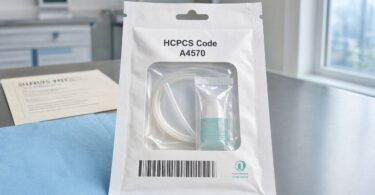
Losing your hair due to a medical condition brings enough emotional challenges without the added stress of deciphering insurance codes and coverage policies. Yet for thousands of individuals facing chemotherapy, alopecia areata, or other forms of medically induced hair loss, understanding the correct Healthcare Common Procedure Coding System (HCPCS) code represents the critical first step toward obtaining a quality cranial hair prosthesis. This guide walks you through every aspect of the coding, billing, and insurance landscape, giving you the knowledge you need to advocate for yourself or your patients effectively.
Why This Information Matters Right Now
Hair loss affects more than appearance. Studies consistently show that patients who secure appropriate cranial prostheses experience measurable improvements in self-esteem, social engagement, and overall mental health during medical treatment. The right code on the right form opens doors to coverage that would otherwise remain firmly shut. Without proper coding, even patients with robust insurance plans often face outright denials or unexpected out-of-pocket expenses running into thousands of dollars.
This article does not offer shortcuts or questionable workarounds. Instead, it provides factual, detailed information about the established coding framework, coverage criteria from major payers, and practical steps for successful claims submission. Whether you are a patient preparing for chemotherapy, a caregiver managing a loved one’s care, a healthcare provider writing prescriptions, or a durable medical equipment supplier navigating the reimbursement maze, you will find actionable guidance here.

Understanding Medical Hair Loss: The Clinical Context
Before diving into codes and claim forms, we need to establish the medical context that makes cranial hair prostheses necessary and reimbursable. Payers do not cover cosmetic wigs. They do cover prosthetic devices prescribed to address the effects of a diagnosed medical condition. Understanding this distinction shapes every aspect of the coding and documentation process.
Alopecia as a Medical Diagnosis
Alopecia refers to hair loss, but not all hair loss qualifies as a medical condition warranting prosthetic intervention. The types most commonly associated with cranial hair prosthesis coverage include:
Alopecia areata represents an autoimmune condition where the body’s immune system attacks hair follicles, resulting in patchy or total hair loss. The onset can be sudden and psychologically devastating. Alopecia totalis involves complete loss of scalp hair, while alopecia universalis extends to total body hair loss. These conditions affect people of all ages, often striking otherwise healthy individuals without warning.
Chemotherapy-induced alopecia occurs as a direct consequence of cancer treatment. The powerful medications designed to destroy rapidly dividing cancer cells cannot distinguish between malignant cells and healthy hair follicle cells. For many patients, visible hair loss serves as a constant, unwanted reminder of their diagnosis, affecting how they interact with family, colleagues, and strangers alike.
Other qualifying conditions include radiation therapy to the head, certain endocrine disorders, severe burns resulting in permanent hair follicle damage, and specific genetic conditions. Each diagnosis creates a clear medical need that separates a cranial prosthesis from a cosmetic wig in the eyes of insurers who follow established coverage policies.
The Psychological Cost of Medical Hair Loss
Research published in peer-reviewed dermatology and psycho-oncology journals documents what patients already know intimately: hair loss hurts. A 2018 study in the Journal of the American Academy of Dermatology found that patients with alopecia areata experienced rates of anxiety and depression significantly higher than the general population. For cancer patients, hair loss often ranks among the most distressing side effects of treatment, sometimes even surpassing physical symptoms like nausea or fatigue.
A cranial hair prosthesis does more than restore a physical appearance. It restores a sense of normalcy, privacy, and control during medical journeys that often strip away all three. One patient undergoing treatment for breast cancer shared:
“I could handle being sick. I struggled with looking sick. When I put on my prosthesis and looked in the mirror, I saw me again, not a patient. That changed everything about how I faced each day of treatment.”
This therapeutic benefit forms the clinical rationale behind coverage policies. Payers do not reimburse vanity purchases. They reimburse medically necessary prosthetics that address functional and psychological impairments stemming from diagnosed conditions.
The HCPCS Coding System: A Foundation
To work effectively with insurance claims, you need to understand the coding system that organizes and defines medical devices, supplies, and services. The Healthcare Common Procedure Coding System (HCPCS) operates on two levels, each serving distinct purposes in the reimbursement ecosystem.
Level I vs. Level II HCPCS Codes: What You Actually Need to Know
Level I HCPCS codes consist of the Current Procedural Terminology (CPT) codes maintained by the American Medical Association. These codes describe medical procedures and services performed by physicians and other healthcare professionals. You encounter these codes on explanation of benefits statements after office visits, surgeries, and diagnostic tests.
Level II HCPCS codes identify products, supplies, and services not covered by CPT codes. The Centers for Medicare and Medicaid Services (CMS) maintains this code set, updating it quarterly based on public input and policy changes. Durable medical equipment, prosthetics, orthotics, and supplies all fall under Level II. The code for a cranial hair prosthesis lives in this category.
Understanding this distinction matters because claims processors use these codes to determine medical necessity, coverage eligibility, and reimbursement amounts. A correctly assigned HCPCS code triggers the appropriate review pathway. An incorrect or missing code sends a claim into limbo, almost certainly resulting in denial.
How HCPCS Codes Organize Medical Equipment
Level II codes follow a logical organizational structure based on a single alphabetical letter followed by four numerical digits. The letter indicates the broad category of product or service. For example, E-codes cover durable medical equipment like wheelchairs and hospital beds. L-codes describe orthotic and prosthetic devices, including custom-fabricated braces and artificial limbs. K-codes, assigned by the Durable Medical Equipment Medicare Administrative Contractors (DME MACs), represent temporary codes for products not yet assigned permanent codes.
A-codes, which include the code relevant to our discussion, cover medical and surgical supplies, administration of drugs, and miscellaneous services. Within the A-code range, specific numerical sequences identify particular product types. Prosthetic devices, including cranial hair prostheses, occupy a designated place within this structure, which we will examine in detail shortly.
The Difference Between Cosmetic and Prosthetic Coding
Here lies one of the most persistent sources of confusion among patients and even some providers. Wigs intended for cosmetic enhancement, theatrical use, or fashion purposes do not carry HCPCS codes because they are not medical devices. They represent consumer products subject to sales tax, not insurance reimbursement.
A cranial hair prosthesis coded under the appropriate HCPCS code represents a prosthetic device prescribed to address a medical condition. The coding distinction reflects a clinical and legal reality: one product is a lifestyle accessory, the other is medically necessary durable medical equipment. Insurance companies rely on this distinction to approve or deny claims.
When a physician writes a prescription for a cranial prosthesis and a supplier bills the correct HCPCS code, the claim signals that the item addresses a legitimate medical need rather than a cosmetic preference. Removing this distinction from the conversation invites misunderstanding and denial. Maintaining it with accurate documentation and proper coding builds the foundation for successful reimbursement.
HCPCS Code A9282: The Dedicated Code for Cranial Hair Prosthesis
The specific Level II HCPCS code assigned to a cranial hair prosthesis is A9282. This alphanumeric identifier carries significant weight in the billing and reimbursement process, yet its simplicity belies the complexity of the coverage landscape surrounding it.
What Code A9282 Actually Covers
HCPCS code A9282 carries the official description: “Cranial prosthesis, each.” The code encompasses the device itself, including the base material, hair fiber (whether human hair or synthetic), and the necessary fitting and styling to achieve a natural appearance appropriate to the patient. Suppliers bill this code for each unit provided, typically one prosthesis per prescription.
The term “cranial prosthesis” intentionally distinguishes this device from a conventional wig. A cranial prosthesis typically features construction methods designed specifically for medical hair loss, such as:
Soft, breathable base materials that protect sensitive or treatment-compromised scalp tissue. Many patients undergoing chemotherapy experience scalp tenderness or sensitivity that makes standard wig caps unbearable. Medical-grade prostheses address this with specialized materials.
Custom-molded bases created from impressions of the patient’s scalp, ensuring secure fit without adhesives or clips that might irritate fragile skin. This feature proves particularly valuable for patients with total hair loss who lack natural anchoring points.
Graduated hairlines and crown designs that mimic natural growth patterns, making the prosthesis indistinguishable from biological hair even upon close inspection. Standard wigs often fail this test, revealing their artificial nature at hairlines and part lines.
A9282 Coverage Status Under Medicare
Here we must be direct about a reality that frustrates many patients and providers. Medicare does not currently provide a national coverage determination that includes cranial hair prostheses. The Medicare Benefit Policy Manual explicitly excludes “wigs” from the definition of covered prosthetic devices, and Medicare Administrative Contractors have historically applied this exclusion to cranial prostheses regardless of the medical diagnosis supporting the prescription.
This exclusion stems from Medicare’s statutory definition of prosthetic devices, which emphasizes replacement of internal body parts or external body parts with specific functional purposes. Medicare interprets cranial hair as lacking a recognized bodily function that a prosthesis would replace, distinguishing it from artificial limbs, breast prostheses following mastectomy, or artificial eyes.
However, this blanket characterization does not tell the complete story. Some Medicare Advantage plans, operated by private insurers under contract with Medicare, offer coverage for cranial prostheses that exceeds traditional Medicare benefits. These plans operate with greater flexibility in defining supplemental benefits. Beneficiaries enrolled in Medicare Advantage should review their plan’s evidence of coverage document or contact member services directly to inquire about cranial prosthesis benefits.
Important Note: Medicare’s exclusion of cranial prostheses does not indicate that these devices lack medical necessity or value. It reflects a statutory and regulatory framework that has not kept pace with clinical understanding of the psychological and social functions of hair. Advocacy organizations continue working to update these policies.
Medicaid and A9282: A State-by-State Landscape
Medicaid coverage for cranial prostheses coded under A9282 varies dramatically by state. Each state administers its Medicaid program within federal guidelines, establishing its own coverage criteria, prior authorization requirements, and reimbursement amounts. Some states provide robust coverage with reasonable documentation requirements. Others offer no coverage whatsoever.
States with active coverage typically require the following documentation:
A prescription from a treating physician specifying the medical necessity for a cranial prosthesis, including the qualifying diagnosis and its relationship to the hair loss. The prescription should explicitly reference HCPCS code A9282 and use the term “cranial prosthesis” rather than “wig.”
A letter of medical necessity elaborating on the clinical rationale for the prosthesis, including its role in addressing the functional and psychological effects of the patient’s medical condition. This letter bridges the gap between a simple diagnosis code and the specific intervention of a cranial prosthesis.
An invoice or detailed receipt from the supplier documenting the date of service, the specific prosthesis provided, and the amount billed. Some states cap reimbursement at a specific dollar amount, so this documentation helps establish medical necessity for the specific device provided.
Patients covered by Medicaid should contact their state Medicaid agency or managed care plan directly to verify coverage before proceeding with a prosthesis purchase. Assumptions lead to unexpected bills. Verification provides clarity and peace of mind.
Commercial Insurance Coverage for A9282
Private commercial insurance plans represent the most favorable coverage environment for cranial prostheses, though policies still vary significantly between carriers and even between different plans offered by the same carrier. The Affordable Care Act’s essential health benefits requirements do not specifically mandate cranial prosthesis coverage, leaving the decision to individual plan design.
Plans that cover cranial prostheses typically categorize them under durable medical equipment or prosthetic device benefits, applying the patient’s coinsurance, deductible, and out-of-pocket maximum provisions. Coverage limits often include:
An annual replacement limit, commonly one prosthesis per year, though some plans allow replacement only when medically necessary due to significant changes in the patient’s head size or shape.
A dollar maximum per prosthesis, which varies widely. Some plans impose no specific limit beyond medical necessity, while others cap reimbursement at amounts ranging from $350 to $1,500. These caps can create significant out-of-pocket exposure for patients requiring high-quality custom prostheses.
A requirement that the prosthesis be obtained from a contracted or in-network durable medical equipment supplier. Out-of-network providers may not be covered, or may be reimbursed at lower rates with higher patient cost-sharing.
A Quick Reference: A9282 at a Glance
Below is a concise summary of the key details associated with HCPCS code A9282:
| Attribute | Detail |
|---|---|
| HCPCS Code | A9282 |
| Official Description | Cranial prosthesis, each |
| Code Level | Level II HCPCS (CMS-maintained) |
| Medicare Coverage | Not covered under traditional Medicare Part B |
| Medicare Advantage | May offer coverage; varies by plan |
| Medicaid Coverage | Varies by state; some provide robust coverage, others none |
| Commercial Insurance | Often covered under prosthetic device benefit; verify plan-specific terms |
| Typical Replacement Cycle | One per year or as medically necessary |
| Documentation Requirements | Prescription, letter of medical necessity, supplier invoice |
Billing and Reimbursement: The Practical Side of A9282
Knowing the correct code represents an essential starting point. Successfully navigating the billing and reimbursement process requires understanding how to build a claim that withstands scrutiny. This section addresses the practical mechanics of getting a cranial prosthesis paid for.
Required Documentation for Successful Claims
Claims processors do not practice medicine. They review documents. The quality and completeness of your documentation directly determines whether a claim succeeds or fails. Every successful A9282 claim rests on a foundation of four essential documents.
First, the physician’s prescription. This document must clearly state the medical necessity for a cranial prosthesis, reference the qualifying diagnosis by ICD-10 code, and specify “cranial prosthesis” using HCPCS code A9282. A prescription that reads simply “wig for hair loss” practically invites denial. A prescription that reads “Cranial prosthesis, HCPCS A9282, for treatment of chemotherapy-induced alopecia secondary to breast cancer (ICD-10 C50.919)” tells the claims processor exactly what they need to see.
Second, a detailed letter of medical necessity. This document expands upon the prescription, explaining in clinical terms why a cranial prosthesis is medically necessary for this specific patient. The letter should describe the diagnosis, the resultant hair loss, the functional and psychological impact of that hair loss, and how the prosthesis addresses these clinical concerns. This is not the place for vague generalities. Specific, patient-centered language carries more weight than template language any day.
Third, the supplier’s detailed invoice or receipt. This document must show the date of service, the specific prosthesis provided, the HCPCS code used, and the amount charged. Suppliers familiar with insurance billing typically provide these documents formatted specifically for insurance submission.
Fourth, proof of payment if the patient paid out of pocket and seeks reimbursement. This document confirms the actual financial transaction and the amount the insurer needs to reimburse according to the patient’s plan benefits.
Step-by-Step Claim Submission Process
While every insurance plan operates with its own specific procedures, the general pathway for submitting a cranial prosthesis claim follows predictable steps.
Start by verifying coverage before making any purchase. Contact the insurance plan’s member services department and ask specific questions: Is HCPCS code A9282 a covered benefit under my plan? What documentation is required? What is the reimbursement limit? Do I need prior authorization? Take notes during this call, including the date, the representative’s name, and any reference number for the interaction.
If prior authorization is required, obtain it before incurring expenses. Submit the prescription and letter of medical necessity to the plan’s utilization management department. Wait for written authorization confirming coverage and any applicable limits. Never proceed on verbal approval alone.
After obtaining the prosthesis from a qualified supplier, compile all required documentation and submit the claim according to your plan’s procedures. Some suppliers handle this submission on the patient’s behalf. Others require the patient to pay upfront and submit the claim for reimbursement themselves. Clarify this arrangement before the transaction.
Track the claim through the payer’s online portal or member services. Respond promptly to any requests for additional information. Denials with insufficient information differ from denials due to lack of coverage. The former can often be reversed with supplementary documentation.
If the claim is denied and you believe the denial is incorrect, exercise your appeal rights. Every health plan offers an appeals process. Use it. Submit a written appeal with any additional documentation that supports the medical necessity of the prosthesis. Escalate through the plan’s internal appeal process, then to external review if necessary.
Understanding Reimbursement Realities
Even when a claim for A9282 receives approval, reimbursement may not cover the full cost of the prosthesis. Insurance allowable amounts for cranial prostheses often fall short of the actual retail cost of high-quality, custom-fitted devices. This disconnect arises because insurers establish fee schedules based on broad product categories rather than the specialized nature of medical cranial prostheses.
A custom cranial prosthesis from a specialist provider typically costs between $2,000 and $5,000, with some premium human-hair prostheses exceeding this range. Insurance reimbursement, when available, may be capped at $350 to $1,500. The difference represents the patient’s responsibility unless the provider has agreed to accept the insurance allowable as payment in full.
Patients should discuss this reality openly with their prosthesis provider before committing to a purchase. Some providers offer sliding-scale fees, payment plans, or charitable assistance programs for patients facing financial hardship. The conversation may feel uncomfortable, but it beats the shock of an unexpected balance bill.
Comparing Cranial Prosthesis Coverage: Medicare, Medicaid, and Commercial Plans
The coverage landscape for A9282 divides sharply along program lines. Understanding these divisions helps patients and providers set realistic expectations and identify the most favorable coverage pathways for individual situations.
Coverage Comparison by Payer Type
| Payer Type | Typical Coverage | Key Limitations | Documentation Requirements |
|---|---|---|---|
| Traditional Medicare | Not covered | Statutory exclusion | Not applicable |
| Medicare Advantage | Varies by plan; some offer limited coverage | Often capped at low dollar amounts | Prescription, letter of necessity, plan-specific forms |
| Medicaid (Coverage States) | Covered with authorization | State-specific caps, limited provider networks | Prescription, letter of necessity, prior authorization, provider enrollment |
| Commercial PPO | Often covered under DME/prosthetic benefit | Annual limits, in-network requirements, deductibles and coinsurance apply | Prescription, letter of necessity |
| Commercial HMO | May require in-network specialist referral | Stricter medical necessity reviews | Referral, prescription, detailed clinical documentation |
| Self-Funded Employer Plans | Governed by plan document; some exclude explicitly | Varies dramatically | As specified by plan administrator |
This table illustrates a fundamental asymmetry in the coverage system. Patients with commercial insurance generally enjoy the most favorable coverage pathway, while those on traditional Medicare find themselves without coverage regardless of medical necessity. The growing Medicare Advantage market offers a partial bridge for some beneficiaries, but coverage remains inconsistent.
The Medicare Advantage Variable
Medicare Advantage plans have emerged as a potential coverage avenue for some beneficiaries who would lack coverage under traditional Medicare. These plans, operated by private insurers receiving capitated payments from CMS, enjoy flexibility to offer supplemental benefits beyond those covered by traditional Medicare.
A growing number of Medicare Advantage plans include coverage for items coded under A9282, often as part of an over-the-counter benefit allowance, a flex card arrangement, or a specific supplemental benefit for members undergoing cancer treatment. The coverage parameters vary so significantly that generalization proves impossible. One plan may offer $500 annually toward a cranial prosthesis. Another may offer nothing. A third may offer $1,000 with significant prior authorization hurdles.
Prospective Medicare Advantage enrollees concerned about cranial prosthesis coverage should examine the plan’s Summary of Benefits and Evidence of Coverage documents carefully during the annual enrollment period. The terms “cranial prosthesis,” “hair prosthesis,” or “medical wig” may appear in the supplemental benefits section. If these terms do not appear, ask the plan directly before enrolling.
How to Help Your Insurance Cover a Cranial Prosthesis
Success in securing coverage depends heavily on preparation and persistence. Patients and providers who approach the process methodically and maintain thorough documentation significantly improve their chances of approval.
Getting a Strong Prescription
A strong prescription serves as the cornerstone of a successful claim. This document must do more than request a wig. It must establish medical necessity for a cranial prosthesis. Physicians familiar with the coding and documentation requirements consistently produce prescriptions that withstand payer scrutiny.
The effective prescription includes all of these elements: the patient’s full name and date of birth, the treating physician’s name and National Provider Identifier, the specific diagnosis and corresponding ICD-10 code, the prescribed item described as a “cranial prosthesis” (not “wig”), the HCPCS code A9282, the medical rationale for the prosthesis, and the physician’s signature with date.
For chemotherapy patients, the prescription should connect the planned treatment regimen to expected alopecia, noting that cranial prosthesis fitting should occur before or early in the treatment course so that the patient can maintain normal appearance throughout therapy. This proactive approach, rather than waiting until hair loss occurs, supports both clinical care and successful reimbursement.
For alopecia areata patients, the prescription should document the specific diagnosis, its autoimmune nature, and the physical manifestation of hair loss that the prosthesis addresses. A dermatologist’s involvement often strengthens the medical necessity case for this diagnosis.
Pro Tip: The physician should write or dictate the letter of medical necessity as a separate document rather than attempting to include all necessary clinical justification on the prescription pad itself. A prescription provides the order. A letter of medical necessity provides the rationale. Both matter, and each serves a distinct purpose in the claims review process.
Working with Your Prosthesis Supplier
The relationship between patient and supplier significantly influences the success of both the fitting process and the insurance claim. Reputable cranial prosthesis suppliers understand the coding and documentation landscape. They serve as essential partners in navigating the reimbursement maze.
Select a supplier with demonstrated experience in medical cranial prostheses, not simply a wig shop that occasionally serves cancer patients. Medical-focused suppliers understand the clinical nuances of fitting patients with sensitive or compromised scalps. They recognize that a chemotherapy patient in active treatment has different needs than a fashion-conscious consumer seeking a new look. Their expertise extends beyond hair to encompass the whole patient experience.
Ask the supplier about their experience with insurance billing using HCPCS A9282. An experienced supplier typically provides itemized receipts formatted for insurance submission, offers guidance on documentation requirements, and may even submit claims directly to insurers on the patient’s behalf. A supplier who responds with confusion when you mention HCPCS codes may not be the right partner for this process.
Discuss financial expectations transparently. Understand the supplier’s retail pricing, their policy on insurance billing (assignment versus patient reimbursement), and any financial assistance options they offer. A trustworthy supplier welcomes these conversations. One who deflects or rushes past the financial discussion may be hiding something.
Preparing a Complete Documentation Package
A well-organized documentation package signals professionalism and medical legitimacy to the claims reviewer. Assemble the following documents in order before submitting any claim:
The signed physician prescription, clearly legible and containing all required elements. A copy of the detailed letter of medical necessity, printed on the physician’s letterhead and signed. The supplier’s detailed invoice showing the date of service, device description, HCPCS code A9282, and total charge. A brief cover letter or claim form summarizing the submission and referencing the patient’s identification and claim numbers. Any prior authorization documentation if required by the plan. A copy of the patient’s insurance card, front and back, to ensure accurate member identification.
Keep complete copies of everything submitted. If you mail documents, use certified mail with return receipt requested. If you submit electronically, save confirmation pages and reference numbers. This administrative discipline pays dividends when a payer claims never to have received documentation or when you need to escalate an appeal.
Frequently Encountered Challenges and Proven Solutions
The path to securing a cranial prosthesis involves predictable obstacles. Anticipating these challenges and preparing responses in advance positions you to overcome them effectively.
Denial Based on “Cosmetic” Classification
The most common denial rationale characterizes the cranial prosthesis as a cosmetic item rather than a medically necessary prosthetic device. This denial mischaracterizes the clinical reality of the situation but requires a specific response strategy.
Start by reviewing the exact language of the denial. Some denials cite specific plan exclusions for “cosmetic services or supplies.” Others use vaguer language about “not medically necessary.” Understanding the payer’s specific rationale shapes an effective appeal.
Your appeal should emphasize the distinction between cosmetic enhancement and prosthetic restoration. Cosmetic procedures alter normal structures to improve appearance. Prosthetic devices replace structures lost to disease or treatment. A patient with chemotherapy-induced alopecia has not simply chosen to change their appearance. They have lost a normal body structure as a direct consequence of necessary medical treatment. The cranial prosthesis replaces what disease and treatment destroyed.
Support the appeal with clinical evidence. The physician’s letter of medical necessity should directly address the “cosmetic versus prosthetic” distinction, explaining why this specific patient requires this specific intervention. Medical literature references documenting the psychological morbidity associated with chemotherapy-induced alopecia can reinforce the clinical argument. Some payers respond more favorably when they see that the requesting physician has grounded the request in established clinical evidence.
Coverage Limit Shortfalls
When insurance approves A9282 but imposes a reimbursement limit that falls well below the cost of a medically appropriate prosthesis, patients face a frustrating financial gap. Several strategies may help bridge this gap.
First, confirm the limit accurately. Some payers quote limits that have not been updated, or that reflect outdated fee schedules. A knowledgeable supplier may be able to document that the prescribed prosthesis falls within an appropriate price range for the medical need, potentially supporting an exception to the limit.
Second, explore whether the patient’s plan offers a case management or exception process for medically necessary items that exceed standard benefit limits. This process often requires additional documentation and a formal request for review, but success can substantially reduce out-of-pocket costs.
Third, investigate charitable and foundation assistance. Organizations such as the American Cancer Society, CancerCare, and various local cancer support organizations offer financial assistance for cranial prostheses. Eligibility criteria vary, but many programs specifically target patients facing insurance coverage gaps for medically necessary items.
Prior Authorization Roadblocks
Some insurers require prior authorization for A9282, and the authorization process can feel designed to discourage requests. Intake representatives may be unfamiliar with the code. Clinical reviewers may default to denial without fully evaluating medical necessity. The process may stretch over weeks while a patient facing imminent hair loss waits anxiously.
Start the authorization process early, ideally as soon as a chemotherapy start date is established or a diagnosis that will cause hair loss is confirmed. Early authorization provides time to address administrative obstacles without forcing the patient to go without a prosthesis during treatment.
If the authorization is denied, request a peer-to-peer review between the prescribing physician and the insurer’s medical director. This conversation allows the treating clinician to explain the medical necessity directly to a physician colleague rather than having the case decided by non-clinical personnel applying broad policy guidelines without full clinical context.
Document every interaction. Record the date, time, name of the person you speak with, and a summary of the conversation. If an insurer representative provides inconsistent information, this documentation supports an appeal based on the insurer’s failure to provide accurate information upon which the patient reasonably relied.
A Practical Checklist for Patients and Providers
A systematic approach reduces stress and improves outcomes. Use this checklist to guide the process from initial diagnosis through successful prosthesis acquisition.
Pre-Purchase Verification Checklist
Complete these steps before purchasing a prosthesis or submitting a claim. Skipping any step risks unexpected expenses that could have been avoided.
Verify insurance coverage for HCPCS code A9282 by calling the member services number on the back of the insurance card. Request specific information about coverage limits, documentation requirements, and prior authorization rules. Obtain the name of the representative and a reference number for the call.
Obtain a written prescription from the treating physician that includes all required elements: patient demographics, physician credentials, specific diagnosis and ICD-10 code, the term “cranial prosthesis,” HCPCS code A9282, medical necessity justification, and signature with date.
Request that the physician prepare a separate letter of medical necessity on practice letterhead. This letter should provide the clinical context for the prescription, explaining in detail why a cranial prosthesis is medically necessary for this specific patient with this specific diagnosis.
If the insurer requires prior authorization, submit the request with all supporting documentation before any purchase. Obtain written authorization confirmation. Do not rely on verbal approvals.
Select a supplier experienced with medical cranial prostheses and knowledgeable about A9282 billing. Confirm the supplier’s pricing, insurance submission process, and financial assistance options before scheduling a fitting.
Post-Purchase Claim Checklist
After obtaining the prosthesis, follow these steps to complete the claims process successfully.
Obtain an itemized invoice from the supplier that includes the date of service, a description of the prosthesis provided, HCPCS code A9282, the total charge, and the supplier’s tax identification number. Verify that all information is accurate before leaving the supplier’s office.
Assemble the complete documentation package: prescription, letter of medical necessity, supplier invoice, insurance card copy, and any prior authorization documentation. Make complete copies for your records.
Submit the claim according to the insurer’s requirements. If the supplier handles submission, confirm that they have filed and obtain a copy of the submission for your records. If you must submit yourself, follow the insurer’s procedures precisely and retain proof of submission.
Track the claim status through the insurer’s online portal or by calling member services. Claims should be processed within 30 to 45 days in most cases. If the timeline extends beyond that, follow up proactively.
If the claim is denied, request a written explanation of the denial reason. Review the explanation carefully and prepare a targeted appeal addressing each specific denial rationale. Include any additional supporting documentation that strengthens the case.
If the appeal is denied, request an external review if your plan provides for one. Many states mandate external review rights for insured plans. Self-funded employer plans may have their own review procedures.
Special Considerations for Different Patient Populations
The A9282 coding and coverage landscape intersects with specific clinical and demographic factors that merit individual attention.
Pediatric Patients with Alopecia
Children with alopecia areata or chemotherapy-induced hair loss face unique social and developmental challenges. School environments can be particularly unforgiving, and children often lack the emotional coping mechanisms that adults develop over time. A well-fitted cranial prosthesis can significantly improve a child’s school experience and social development during a medically challenging period.
Coverage for pediatric cranial prostheses generally follows the same A9282 coding pathway as adult devices, with some additional considerations. Children’s prostheses require more frequent replacement due to growth and the active nature of childhood. Providers prescribing prostheses for children should address replacement frequency in their documentation, noting that fit and appearance deteriorate more quickly due to growth and activity levels.
Some state Medicaid programs offer specific provisions for pediatric cranial prostheses even when they exclude or limit coverage for adults. Check state-specific policies carefully, as the pediatric benefit often differs from the adult benefit within the same state program.
Patients Undergoing Chemotherapy: Timing Matters
Timing significantly affects both clinical and financial outcomes for chemotherapy patients seeking cranial prostheses. Patients who obtain their prosthesis before or very early in their treatment course achieve better results on multiple dimensions.
From a clinical perspective, fitting a prosthesis before complete hair loss allows the supplier to match the patient’s natural hair color, texture, and style more accurately. This pre-loss matching significantly improves the natural appearance of the prosthesis, which directly affects patient satisfaction and willingness to wear the device consistently.
From a practical perspective, patients feel better physically during the early phases of treatment than during the later cycles. Scheduling prosthesis fitting when the patient still feels relatively well improves the experience and results.
From a coverage perspective, early action provides time to work through prior authorization requirements and appeals without the patient facing an extended period without a prosthesis. The worst-case scenario involves a patient who waits until after hair loss, only to discover that prior authorization was required and will take weeks to obtain.
Physicians should write the A9282 prescription at the time chemotherapy is planned, not after hair loss has occurred. The prescription can state that the prosthesis is medically necessary in anticipation of chemotherapy-induced alopecia resulting from the planned treatment regimen. This proactive documentation approach supports both timely prosthesis acquisition and successful insurance reimbursement.
Burn Survivors and Trauma Patients
Burn survivors with scalp involvement face permanent hair loss in affected areas, creating a clearly documented medical need for cranial prostheses that differs from the temporary hair loss associated with chemotherapy. The permanent nature of the condition, the visible scarring that may accompany it, and the psychological trauma associated with the injury itself all support robust medical necessity documentation.
Providers managing burn survivors should emphasize the rehabilitative role of the cranial prosthesis in their letters of medical necessity. The prosthesis serves not merely cosmetic purposes but functional goals related to social reintegration, psychological recovery, and return to normal activities of daily living. This framing aligns with established rehabilitation medicine principles that insurers often recognize more readily than purely appearance-based arguments.
The permanent nature of burn-related hair loss may support different replacement schedules than the typical annual limit. Providers should document the expected useful life of a prosthesis given the patient’s specific circumstances, including activity level, climate, and care capabilities. If replacement is indicated more frequently than annually, the documentation should explain why and request an exception to standard frequency limits.
Navigating Denials: A Strategic Approach
Denial of a properly documented A9282 claim does not represent the end of the road. It represents the beginning of the appeals process, which many patients win with persistence and strategic documentation.
Understanding Denial Language
Insurance denial letters use specific language that reveals the precise reason for non-coverage and the pathway to potential reversal. Reading this language carefully represents the first step in mounting an effective appeal.
Denials citing “not a covered benefit” indicate that the plan explicitly excludes cranial prostheses from coverage. This represents the most difficult denial to overcome, as it reflects a plan design decision rather than a judgment about medical necessity. Appeals in this situation should focus on any exceptions or alternative coverage pathways within the plan, such as case management exceptions or out-of-network benefits that might apply.
Denials citing “not medically necessary” challenge the clinical justification for the prosthesis. These denials respond well to additional documentation from the prescribing physician and treating team. The appeal should provide more detailed clinical rationale, cite relevant medical literature, and emphasize the prosthetic rather than cosmetic nature of the device.
Denials citing “insufficient documentation” invite resubmission with more complete information. Identify specifically what documentation was missing or inadequate, obtain it, and resubmit with a cover letter that addresses each deficiency point by point.
Building a Strong Appeal
A strong appeal addresses the specific denial reason directly rather than simply resubmitting the same documentation and hoping for a different outcome. Each appeal should be tailored to the particular case and the particular denial language.
The appeal letter should open with a clear statement of the patient’s diagnosis, the prescribed intervention, and the denial being appealed. Reference the claim number and denial date prominently. State explicitly that you are requesting reconsideration based on the clinical information provided.
The body of the appeal should address each denial rationale systematically. If the payer characterized the prosthesis as cosmetic, explain the medical nature of the condition and the prosthetic function of the device. If the payer questioned medical necessity, elaborate on the clinical rationale with specific reference to the patient’s condition and needs. If the payer cited insufficient documentation, provide the missing elements with clear references to the specific documents enclosed.
Close the appeal with a clear request for the specific outcome sought: approval of coverage for one cranial prosthesis under HCPCS code A9282, reimbursement in a specific amount, or whatever relief the situation requires. Vague closing statements invite vague responses. Specific closing requests demand specific answers.
When to Seek External Help
Some situations warrant bringing in outside assistance. Patient advocacy organizations, state insurance departments, and legal aid organizations may all play roles in resolving stubborn denials.
If an insurer repeatedly denies a claim that appears to meet clearly stated coverage criteria, filing a complaint with the state insurance department may prompt meaningful review. State regulators oversee insurance company practices in the insured market and can investigate patterns of improper denials.
Patient advocacy organizations focused on specific conditions, such as the National Alopecia Areata Foundation or cancer support organizations, may offer resources including template appeal letters, referral to pro bono legal assistance, or direct advocacy on behalf of individual patients. These organizations have seen the full range of insurer tactics and can provide hard-won practical wisdom.
Additional Resources and Support
Navigating the cranial prosthesis landscape requires reliable information, emotional support, and practical assistance. The following resources provide evidence-based guidance and direct services.
National Organizations Offering Support
The American Cancer Society maintains local offices that often provide free or low-cost cranial prostheses to cancer patients in active treatment, regardless of insurance status. Contact your local chapter to inquire about availability and eligibility.
The National Alopecia Areata Foundation provides extensive educational resources about cranial prostheses, including guidance on insurance coverage and supplier selection. Their website and support network connect patients with others who have navigated similar challenges successfully.
CancerCare offers financial assistance for cancer-related expenses, including cranial prostheses, for patients who meet eligibility criteria. Their oncology social workers provide individual counseling about coverage options and financial navigation.
Professional Fitting and Supplier Organizations
Reputable cranial prosthesis suppliers hold certifications and memberships that signal their commitment to quality and ethical practice. Look for suppliers affiliated with professional organizations that maintain standards for medical hair loss services.
Some suppliers specialize exclusively in medical hair loss and employ staff with specific training in working with patients undergoing chemotherapy or managing chronic hair loss conditions. These specialists often provide more comprehensive insurance navigation support than general wig retailers.
Link to Authoritative Coding Resources
For the most current official information regarding HCPCS code A9282, visit the Centers for Medicare and Medicaid Services HCPCS Quarterly Update page. This resource provides the definitive listing of active HCPCS codes, their official descriptions, and any coverage determinations or policy changes that may affect billing and reimbursement.
Visit the CMS HCPCS Coding Resources
Conclusion
Securing a cranial hair prosthesis through insurance requires understanding the specific HCPCS code A9282, preparing thorough documentation that establishes medical necessity, and persistently navigating a coverage landscape that varies dramatically by payer type and plan design. Successful patients and providers treat this process as a collaboration, with clear communication between the prescribing physician, prosthesis supplier, and insurance plan producing the strongest claims.
Coverage challenges persist, particularly for Medicare beneficiaries and those with plans that impose restrictive limits, but the growing recognition of cranial prostheses as legitimate prosthetic devices rather than cosmetic items continues to expand access over time. When denials occur, a strategic appeal grounded in clinical evidence and addressed to the specific denial rationale often succeeds where initial submissions fail.
Frequently Asked Questions
What is the exact HCPCS code for a cranial hair prosthesis?
The exact HCPCS code for a cranial hair prosthesis is A9282. The official descriptor reads “Cranial prosthesis, each.” This Level II HCPCS code, maintained by the Centers for Medicare and Medicaid Services, identifies the device for billing purposes across Medicare, Medicaid, and commercial insurance claims.
Does Medicare cover cranial hair prostheses under code A9282?
Traditional Medicare Part B does not cover cranial hair prostheses, as the Medicare Benefit Policy Manual excludes wigs from the definition of covered prosthetic devices. Some Medicare Advantage plans, however, offer limited coverage for cranial prostheses as supplemental benefits. Beneficiaries should check their specific plan’s Evidence of Coverage document for details.
What documentation does a physician need to provide for a cranial prosthesis prescription?
A physician needs to provide a written prescription that includes the patient’s information, the specific diagnosis with corresponding ICD-10 code, the term “cranial prosthesis” (not “wig”), HCPCS code A9282, and a brief medical necessity statement. Additionally, a separate detailed letter of medical necessity on practice letterhead significantly strengthens the claim by elaborating on why the prosthesis is clinically indicated for the specific patient.
How often will insurance cover a replacement cranial prosthesis?
Most commercial insurance plans that cover cranial prostheses allow replacement once per calendar year. However, plans may authorize more frequent replacement when documented medical necessity supports it, such as significant weight changes, head size changes following treatment, or premature wear due to the patient’s medical condition or activity requirements.
What should I do if my claim for A9282 is denied?
If your claim is denied, first obtain the written denial explanation and identify the specific reason cited. Then prepare a targeted appeal that directly addresses the denial rationale, including additional supporting documentation from your prescribing physician. If the initial appeal fails, request an external review if available under your plan. Many denials are reversed through the appeals process when supported by strong clinical documentation.
Disclaimer: This article provides educational information about HCPCS coding and insurance coverage for cranial hair prostheses. It does not constitute medical advice, legal advice, or a guarantee of insurance coverage. Coverage policies change, and individual plan terms govern all coverage determinations. Always verify current coverage, documentation requirements, and reimbursement limits directly with your specific insurance plan before incurring expenses. Consult with your treating physician regarding your individual medical needs and treatment options.