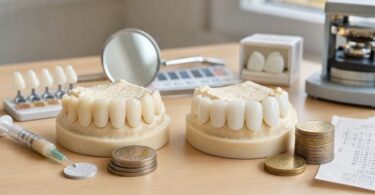
Dental bonding is one of the most affordable and versatile cosmetic dental treatments available. It can repair chips, close gaps, reshape teeth, and improve discoloration. For front teeth, where aesthetics matter most, bonding offers a quick and cost-effective solution.
This guide explains the real cost of dental bonding on front teeth. You will learn about the procedure, what affects the price, how it compares to alternatives, and whether insurance covers it.

How Much Does Dental Bonding On Front Teeth Cost?
Understanding Dental Bonding
Dental bonding involves applying a tooth-colored composite resin to the surface of a tooth. The dentist shapes the resin to match the natural contours of your tooth, then hardens it with a special curing light. The result is a restored tooth that blends in with your smile.
Bonding is commonly used on front teeth to repair small chips, close minor gaps, change the shape of a tooth, or cover discoloration that does not respond to whitening. It is a conservative procedure that typically requires little or no removal of tooth enamel.
Average Cost of Dental Bonding on Front Teeth
The cost of dental bonding on front teeth ranges from $200 to $600 per tooth. The national average is around $350 to $450 per tooth.
Front teeth require more aesthetic precision than back teeth. The dentist must carefully match the resin color to your natural teeth and sculpt it to look realistic. This artistic skill contributes to the cost.
Cost Breakdown by Procedure Type
Minor Chip Repair
Repairing a small chip on a front tooth is the most common and least expensive bonding procedure. The dentist applies resin to the chipped area and shapes it to restore the tooth’s natural contour. This costs between $200 and $350 per tooth.
Gap Closure
Closing a gap between front teeth with bonding costs between $300 and $600 per tooth. The dentist applies resin to the sides of both teeth adjacent to the gap, effectively widening them to close the space.
Tooth Reshaping
Changing the shape of a front tooth, such as making a short tooth longer or a narrow tooth wider, costs between $300 and $600 per tooth. This requires more artistic skill and time.
Full Tooth Coverage
Covering the entire front surface of a tooth with bonding, similar to a veneer, costs between $400 and $800 per tooth. This is more extensive and time-consuming than minor repairs.
Cost Comparison Table for Cosmetic Dental Treatments
Here is a quick reference table comparing dental bonding to other cosmetic treatments for front teeth.
| Treatment | Cost per Tooth | Longevity | Invasiveness |
|---|---|---|---|
| Dental Bonding | $200 – $600 | 3 – 10 years | Minimal |
| Composite Veneers | $250 – $1,500 | 5 – 7 years | Minimal |
| Porcelain Veneers | $900 – $2,500 | 10 – 15 years | Moderate |
| Dental Crowns | $800 – $2,000 | 10 – 15 years | Significant |
Dental bonding is the most affordable cosmetic treatment for front teeth. It is also the least invasive, requiring little or no enamel removal.
Factors That Affect the Cost of Dental Bonding
Several variables influence how much you will pay for dental bonding on front teeth.
Number of Teeth
The more teeth you need bonded, the higher the total cost. Some dentists offer a discount when bonding multiple teeth in a single visit.
Complexity of the Repair
A simple chip repair costs less than extensive reshaping or full coverage. The more time and skill required, the higher the fee.
Dentist’s Experience
Cosmetic dentists with extensive experience and a reputation for excellent results charge more. You are paying for their artistic ability to create natural-looking results.
Geographic Location
Dental fees vary by region. Bonding in major metropolitan areas costs more than in smaller cities or rural areas. The same procedure might cost $500 in New York City and $250 in a small Midwestern town.
Additional Treatments
Sometimes bonding is combined with other treatments. Teeth whitening before bonding ensures the resin matches your whitened teeth. A cleaning may be needed before the procedure. Each additional service adds to the total cost.
Insurance Coverage for Dental Bonding
Dental insurance coverage for bonding depends on the reason for the procedure.
Restorative Bonding
If bonding is needed to repair a damaged tooth, such as a chip from trauma or decay, insurance may cover a portion of the cost. The procedure is considered restorative rather than cosmetic. Insurance typically covers 50% to 80% after your deductible.
Cosmetic Bonding
If bonding is purely for aesthetic reasons, such as closing a gap or changing the shape of a healthy tooth, insurance will not cover it. Cosmetic procedures are excluded from most dental insurance plans.
Documentation Requirements
If you are claiming insurance for restorative bonding, your dentist must document the need for the procedure. X-rays and photographs may be required. Ask your dentist to submit a pre-treatment estimate to your insurance company.
Dental Bonding vs. Porcelain Veneers
Many patients wonder whether bonding or veneers is the better choice for front teeth. Here is a comparison.
Cost
Bonding costs $200 to $600 per tooth. Porcelain veneers cost $900 to $2,500 per tooth. Bonding is significantly less expensive upfront.
Longevity
Bonding lasts 3 to 10 years. Porcelain veneers last 10 to 15 years or more. Veneers are more durable and stain-resistant.
Aesthetics
Porcelain veneers offer superior aesthetics. Porcelain mimics the light-reflecting properties of natural enamel better than composite resin. Bonding looks good but may not have the same depth and translucency.
Repairability
Bonding is easy to repair. If a bonded tooth chips, the dentist can add more resin in a single visit. Porcelain veneers are difficult to repair and usually need replacement if damaged.
Invasiveness
Bonding requires little or no enamel removal. Porcelain veneers require removing a thin layer of enamel. Bonding is the more conservative option.
For patients on a budget or those who want a reversible option, bonding is an excellent choice. For patients seeking the best possible aesthetics and long-term durability, porcelain veneers may be worth the higher cost.
What to Expect During Dental Bonding
Knowing what happens during the procedure helps you prepare.
Consultation
Your dentist examines your teeth and discusses your goals. They may take X-rays to check the health of the tooth. You decide together whether bonding is the right option.
Color Matching
The dentist uses a shade guide to match the composite resin to your natural tooth color. This ensures the bonded tooth blends seamlessly with your smile.
Preparation
For most bonding procedures, little or no anesthesia is needed. The dentist roughens the tooth surface slightly and applies a conditioning liquid that helps the resin bond.
Application
The dentist applies the resin in layers, shaping each layer to match the natural contours of your tooth. A special curing light hardens each layer.
Finishing
After the resin is hardened, the dentist trims, shapes, and polishes the bonded tooth. The final result should look and feel natural.
The entire procedure takes 30 to 60 minutes per tooth. Most bonding procedures are completed in a single visit.
How to Make Dental Bonding Last Longer
Dental bonding is not as durable as porcelain. However, with proper care, you can extend its lifespan.
Avoid Staining Substances
Composite resin is prone to staining. Limit coffee, tea, red wine, and tobacco. If you consume these substances, rinse your mouth with water afterward.
Do Not Bite Hard Objects
Bonded teeth can chip if you bite hard objects like ice, pens, or fingernails. Avoid using your front teeth to open packages or bite into hard foods.
Practice Good Oral Hygiene
Brush twice daily and floss daily. Bonding material can accumulate plaque at the edges, leading to decay. Regular check-ups are essential.
Wear a Night Guard
If you grind your teeth at night, the pressure can damage bonded teeth. A custom night guard protects your bonding.
Regular Polishing
Your dentist can polish bonded teeth during routine check-ups to remove stains and restore shine. This helps maintain the appearance of the bonding.
Important Notes for Patients
-
Dental bonding is a cosmetic procedure. If you are not happy with the shape or color, it can be adjusted or redone.
-
Bonding material can stain over time. Professional polishing helps, but the resin may eventually need replacement.
-
Bonding is not as strong as natural teeth or porcelain. Treat bonded teeth with care.
-
If you have significant decay or structural damage, bonding may not be appropriate. Your dentist may recommend a crown instead.
-
Always choose a dentist with experience in cosmetic bonding. Ask to see before-and-after photos of previous cases.
Frequently Asked Questions
How much does dental bonding cost on front teeth?
Dental bonding on front teeth costs between $200 and $600 per tooth. The average cost is around $350 to $450 per tooth. Simple chip repairs cost less, while full coverage costs more.
Does dental bonding hurt?
No, dental bonding is usually painless. Most procedures do not require anesthesia because little or no enamel is removed. You may feel some pressure during the procedure, but not pain.
How long does dental bonding last?
Dental bonding lasts 3 to 10 years depending on the location, the size of the repair, and your oral habits. Bonding on front teeth lasts longer than bonding on back teeth because front teeth experience less chewing force.
Is dental bonding covered by insurance?
Insurance covers bonding when it is needed to repair a damaged tooth, such as a chip from trauma or decay. Cosmetic bonding for aesthetic reasons is not covered.
Can dental bonding close gaps between teeth?
Yes, bonding is an effective way to close small gaps between front teeth. The dentist applies resin to the sides of the teeth adjacent to the gap, widening them to close the space.
Does dental bonding stain?
Yes, composite resin is prone to staining over time. Limiting coffee, tea, red wine, and tobacco helps prevent staining. Your dentist can polish the bonding during check-ups to remove surface stains.
Can dental bonding be whitened?
No, bonding material cannot be whitened. If you want whiter teeth, whiten your natural teeth before the bonding procedure. The dentist will match the resin to your whitened teeth.
Is dental bonding reversible?
Yes, dental bonding is reversible. Because little or no enamel is removed, the bonding can be removed and replaced with a different treatment, such as veneers, if desired.
Conclusion
Dental bonding on front teeth costs between $200 and $600 per tooth, making it the most affordable cosmetic dental treatment available. The procedure is quick, painless, and minimally invasive. While bonding does not last as long as porcelain veneers, it is easier to repair and requires no enamel removal. Insurance covers bonding for restorative purposes but not for purely cosmetic reasons. With proper care, dental bonding can provide a beautiful, natural-looking smile for many years.
Additional Resource
For more information on cosmetic dentistry and finding a qualified cosmetic dentist, visit the American Academy of Cosmetic Dentistry at www.aacd.com. This professional organization offers patient education resources and a directory of accredited cosmetic dentists.