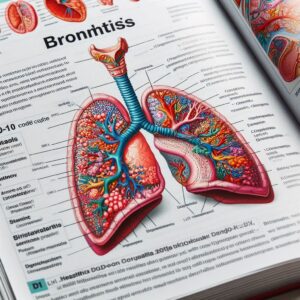
Bronchitis is a common respiratory condition characterized by inflammation of the bronchial tubes, leading to coughing, mucus production, and breathing difficulties. Accurate diagnosis and proper ICD-10 coding are essential for effective treatment, insurance reimbursement, and epidemiological tracking. This comprehensive guide explores the different ICD-10 codes for bronchitis, their clinical relevance, and best practices for medical coding.
ICD-10 Code for Bronchitis
Understanding Bronchitis
Definition and Types
Bronchitis is classified into two main types:
-
Acute Bronchitis – A short-term inflammation often caused by viral infections.
-
Chronic Bronchitis – A long-term condition, typically linked to smoking or chronic obstructive pulmonary disease (COPD).
Causes and Risk Factors
-
Viral or bacterial infections
-
Smoking or exposure to pollutants
-
Weakened immune system
-
GERD (acid reflux triggering irritation)
Symptoms and Complications
-
Persistent cough (with or without mucus)
-
Wheezing and shortness of breath
-
Chest discomfort
-
Potential progression to pneumonia or COPD
ICD-10 Coding System Overview
The International Classification of Diseases, 10th Revision (ICD-10) is a standardized system used for:
-
Diagnosing diseases
-
Medical billing and insurance claims
-
Tracking public health trends
Structure of ICD-10 Codes
-
First Character (Letter): Indicates the general category (e.g., “J” for respiratory diseases).
-
Next Two Digits: Specify the condition (e.g., “20” for acute bronchitis).
-
Additional Characters (If Applicable): Provide further details (e.g., causative agent or severity).
ICD-10 Codes for Bronchitis
1. Acute Bronchitis (J20.-)
| ICD-10 Code | Description |
|---|---|
| J20.0 | Acute bronchitis due to Mycoplasma pneumoniae |
| J20.1 | Acute bronchitis due to Hemophilus influenzae |
| J20.5 | Acute bronchitis due to respiratory syncytial virus (RSV) |
| J20.9 | Acute bronchitis, unspecified |
2. Chronic Bronchitis (J41.-, J42)
| ICD-10 Code | Description |
|---|---|
| J41.0 | Simple chronic bronchitis |
| J41.1 | Mucopurulent chronic bronchitis |
| J42 | Unspecified chronic bronchitis |
3. Unspecified Bronchitis (J40)
-
Used when documentation does not specify acute or chronic.
4. Bronchitis Due to External Agents (J68.0)
-
Includes chemical fumes, dust, or occupational hazards.
Clinical Documentation and Coding Best Practices
-
Specify Type (Acute/Chronic): Avoid using unspecified codes when possible.
-
Document Causative Agents: Viral, bacterial, or environmental triggers.
-
Avoid Upcoding: Ensure codes match the physician’s diagnosis.
Treatment and Management
-
Acute Cases: Rest, hydration, and symptomatic relief (e.g., cough suppressants).
-
Chronic Cases: Bronchodilators, steroids, and smoking cessation programs.
Bronchitis in Special Populations
-
Children: Often caused by RSV or adenovirus.
-
Elderly: Higher risk of complications like pneumonia.
-
Smokers: Strongly linked to chronic bronchitis and COPD.
FAQs
1. What is the most common ICD-10 code for bronchitis?
-
J20.9 (Acute bronchitis, unspecified) is frequently used.
2. Can bronchitis be coded with COPD?
-
Yes, chronic bronchitis (J42) often overlaps with COPD (J44.-).
3. What is the difference between J20.9 and J40?
-
J20.9 = Acute bronchitis (short-term).
-
J40 = Bronchitis not specified as acute or chronic.
Conclusion
Proper ICD-10 coding for bronchitis ensures accurate diagnosis, billing, and treatment tracking. Acute bronchitis (J20.-) and chronic bronchitis (J41.-, J42) require specific documentation. Clinicians and coders must collaborate to avoid errors and optimize patient care.