Xerostomia, the subjective sensation of dry mouth, is far more than a minor annoyance. It is a debilitating condition that can erode a patient’s quality of life, compromise their nutritional status, and lead to severe dental and oral health complications. For millions of patients worldwide—from those on common medications to survivors of head and neck cancer—xerostomia is a daily struggle. Yet, in the complex ecosystem of healthcare, this condition is often underappreciated and, critically, under-coded. The act of assigning an International Classification of Diseases, Tenth Revision, Clinical Modification (ICD-10-CM) code to xerostomia is not a mere administrative task. It is a fundamental process that translates a patient’s suffering into a data point with profound implications. This data point influences treatment pathways, justifies reimbursements for vital therapies, contributes to public health understanding, and ultimately, validates the patient’s experience within the healthcare system.
This article delves deep into the world of ICD-10 coding for xerostomia, moving beyond a simple code lookup to provide a comprehensive, authoritative resource. We will explore the clinical intricacies of dry mouth, unravel the nuances of the ICD-10-CM coding system, and illuminate the critical connection between precise documentation, accurate code assignment, and high-quality patient care. Whether you are a medical coder, a healthcare provider, a dental professional, or a patient seeking to understand your condition, this guide aims to equip you with the knowledge to navigate this challenging landscape with confidence and precision.
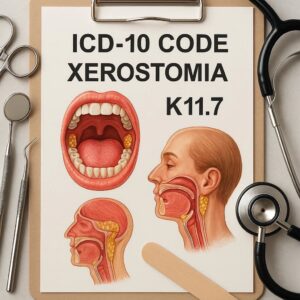
ICD-10 code for xerostomia
2. Understanding Xerostomia: A Clinical Deep Dive
The Physiology of Saliva: Why It’s Essential for Health
To comprehend the pathology of xerostomia, one must first appreciate the vital functions of saliva. Produced by the major (parotid, submandibular, sublingual) and hundreds of minor salivary glands, saliva is a complex fluid comprising water, electrolytes, mucus, enzymes, and antimicrobial compounds. Its roles are multifaceted:
-
Digestion: It initiates starch digestion with the enzyme amylase and lubricates food for easier swallowing (deglutition).
-
Protection and Cleansing: It physically washes away food debris and dead cells, reducing the risk of infection and caries.
-
Buffering and Remineralization: Saliva neutralizes acids produced by plaque bacteria and provides calcium and phosphate to repair early enamel lesions.
-
Taste and Speech: It dissolves food particles, allowing them to interact with taste buds, and moistens the oral mucosa for clear articulation.
-
Antimicrobial Defense: Lysozyme, lactoferrin, and peroxidase in saliva directly attack pathogens, while immunoglobulins (e.g., IgA) provide specific immune defense.
When salivary flow is diminished, this meticulously balanced oral environment collapses, leading to the symptoms and sequelae of xerostomia.
Etiology: The Multifactorial Origins of Dry Mouth
Xerostomia rarely occurs in isolation; it is typically a symptom of an underlying condition or a side effect of a treatment. Understanding the etiology is the first step toward both effective treatment and accurate coding.
Medication-Induced Xerostomia (The Most Common Cause)
Over 1,100 medications, including many over-the-counter drugs, list dry mouth as a potential side effect. The primary mechanism is often anticholinergic activity, which inhibits the parasympathetic nervous system’s stimulation of salivary glands. Common culprits include:
-
Antidepressants (e.g., SSRIs, TCAs)
-
Antihypertensives (e.g., diuretics, beta-blockers)
-
Antihistamines and decongestants
-
Antipsychotics
-
Anticholinergics for overactive bladder
-
Muscle relaxants
-
Narcotic analgesics
Polypharmacy, the concurrent use of multiple medications, significantly increases the risk and severity of drug-induced xerostomia.
Sjögren’s Syndrome: The Autoimmune Assailant
Sjögren’s Syndrome is a chronic, systemic autoimmune disorder characterized by lymphocytic infiltration of the exocrine glands, primarily the salivary and lacrimal glands. This leads to the classic sicca complex: xerostomia and xerophthalmia (dry eyes). It can exist as a primary condition or secondary to other autoimmune diseases like Rheumatoid Arthritis or Lupus. The xerostomia in Sjögren’s is typically severe and progressive.
Radiotherapy-Induced Xerostomia: A Devastating Consequence of Cancer Treatment
Radiation therapy for head and neck cancers is a leading cause of severe, and often permanent, xerostomia. When salivary glands are within the radiation field, the ionizing radiation damages the acinar cells responsible for saliva production. The degree of damage is dose-dependent, and even with modern techniques like IMRT (Intensity-Modulated Radiation Therapy) that spare some glandular tissue, many patients experience a significant and lifelong reduction in salivary flow.
Other Systemic and Local Causes
-
Other Systemic Diseases: Diabetes mellitus (especially when poorly controlled), HIV/AIDS, Sarcoidosis, Amyloidosis, and Hepatitis C can all manifest with xerostomia.
-
Nerve Damage: Trauma or surgery that damages the nerves innervating the salivary glands.
-
Dehydration: From conditions like fever, excessive sweating, vomiting, diarrhea, or blood loss.
-
Lifestyle Factors: Chronic mouth breathing, tobacco use, and high intake of caffeine or alcohol can exacerbate dry mouth.
-
Aging: While not a direct cause, age-related changes and the increased likelihood of taking xerogenic medications make it more common in the elderly.
The Clinical Burden: Consequences Beyond Discomfort
The impact of xerostomia extends far beyond the feeling of dryness. It has profound consequences for oral and systemic health:
-
Dental Caries: A rampant and aggressive form of tooth decay, particularly at the gum line and around existing fillings.
-
Periodontal Disease: Increased susceptibility to gum infections.
-
Oral Candidiasis: Fungal infections (thrush) become common due to the loss of saliva’s antifungal properties.
-
Dysgeusia and Dysphagia: Altered taste and difficulty swallowing, leading to nutritional deficiencies and weight loss.
-
Burning Mouth Syndrome: A chronic, painful sensation in the mouth.
-
Halitosis: Persistent bad breath.
-
Difficulty Wearing Dentures: Lack of lubrication causes mucosal soreness and ulceration.
-
Social and Psychological Impact: Difficulty speaking clearly can lead to social anxiety and withdrawal.
3. Navigating the ICD-10-CM Code Set for Xerostomia
The ICD-10-CM system offers several codes for xerostomia, and the correct choice hinges entirely on the specificity of the physician’s documentation.
The Primary Code: R68.2 – Dry Mouth, Unspecified
-
Code: R68.2
-
Code Title: Dry mouth, unspecified
-
Chapter: Chapter 18 – Symptoms, signs, and abnormal clinical and laboratory findings, not elsewhere classified.
-
Usage: This is the default code for xerostomia when a specific cause is not identified or documented. It is used when the provider simply notes “dry mouth” or “xerostomia” without linking it to a medication, a disease process like Sjögren’s, or a disturbance of the salivary gland itself. While commonly used, it is the least specific option and may sometimes trigger payer scrutiny if a more definitive code is available.
The Salivary Gland Code: K11.7 – Disturbances of Salivary Secretion
-
Code: K11.7
-
Code Title: Disturbances of salivary secretion
-
Chapter: Chapter 11 – Diseases of the digestive system > Diseases of oral cavity and salivary glands.
-
Inclusions: This code encompasses hypoptyalism (objectively measured reduced saliva), ptyalism (excessive saliva), and xerostomia. The instructional note under this category explicitly states “Use additional code for adverse effect, if applicable, to identify drug (T36-T50 with fifth or sixth character 5).”
-
Usage: This code is appropriate when the provider attributes the xerostomia to a functional disturbance of the salivary glands themselves. This is often the best code for drug-induced xerostomia, as it allows for the clear linkage to a drug via an additional external cause code.
The Systemic Link: M35.0 – Sicca Syndrome [Sjögren]
-
Code: M35.0
-
Code Title: Sicca syndrome [Sjögren]
-
Chapter: Chapter 13 – Diseases of the musculoskeletal system and connective tissue.
-
Usage: This code is used only when xerostomia is a documented manifestation of Sjögren’s Syndrome. The documentation must explicitly state this connection (e.g., “Patient with Sjögren’s Syndrome presents for management of severe xerostomia”). This code takes precedence over R68.2 or K11.7 in this specific clinical context.
Comparative Table: Choosing the Right Xerostomia Code
| ICD-10-CM Code | Code Title | Clinical Context & Documentation Key Words | Sequencing & Additional Codes |
|---|---|---|---|
| R68.2 | Dry mouth, unspecified | General term “xerostomia” or “dry mouth” used without specification of cause. Often a chief complaint or a minor associated symptom. | Typically sequenced as a secondary code. |
| K11.7 | Disturbances of salivary secretion | Documentation implies a glandular dysfunction. Terms like “drug-induced xerostomia,” “radiation-induced salivary hypofunction,” or “hypoptyalism.” | Primary code: K11.7 + Additional Code (for adverse effect): T36-T50 with 5th/6th character ‘5’ (e.g., T43.225A for SSRI). |
| M35.0 | Sicca syndrome [Sjögren] | Xerostomia is a confirmed and documented symptom of Sjögren’s Syndrome. | This is the defining diagnosis. Code M35.0 alone captures the xerostomia as part of the syndrome. |
| E11.69 | Type 2 diabetes mellitus with other specified complication | Xerostomia is documented as a complication of diabetes. | Primary code: E11.69 Note: R68.2 may be added if additional detail is needed, but E11.69 is sufficient. |
4. The Art of Documentation: Bridging Clinical Care and Accurate Coding
The physician’s documentation is the foundation upon which all accurate coding is built. Vague notes lead to vague codes, which can impact patient care and reimbursement.
-
Specificity is King: Instead of “complains of dry mouth,” document “patient presents with severe, persistent xerostomia, likely secondary to their current regimen of amitriptyline and hydrochlorothiazide.” This single sentence directs the coder to K11.7 and the appropriate T-codes.
-
Linking Cause and Effect: Explicitly state the relationship. “Patient is a 6-month post-radiotherapy status for oropharyngeal cancer, now with severe, permanent xerostomia affecting nutrition.” This justifies the use of K11.7 and provides medical necessity for palliative treatments.
-
Documenting Severity and Impact: Note the functional impact. “Xerostomia is so severe that the patient reports difficulty swallowing solid foods without water, has developed three new root caries in the past year, and experiences constant oral burning.” This paints a clinical picture that supports the need for intervention.
5. Coding Scenarios: Practical Application in Real-World Cases
Let’s apply these principles to realistic patient encounters.
Scenario 1: The Polypharmacy Patient
-
Presentation: A 72-year-old female presents for a routine check-up. Her medication list includes fluoxetine for depression, oxybutynin for overactive bladder, and loratadine for allergies. She reports a significant and bothersome dry mouth.
-
Provider Documentation: “Patient complains of persistent dry mouth, which we are attributing to her current medications, particularly the oxybutynin. We will discuss potential alternatives at the next visit. Recommended sugar-free lozenges and increased water intake.”
-
Correct Coding:
-
K11.7 – Disturbances of salivary secretion (Primary code for the condition)
-
T44.3X5A – Adverse effect of other parasympatholytics [anticholinergics and antimuscarinics], initial encounter. (This pinpoints the likely culprit, oxybutynin).
-
Scenario 2: The Head and Neck Cancer Survivor
-
Presentation: A 58-year-old male is seen in the dental clinic for management of his oral health post-radiation for base of tongue cancer.
-
Provider Documentation: “Comprehensive exam reveals severe xerostomia secondary to radiation therapy completed 1 year ago. Oral mucosa is dry and glazed. Evidence of cervical caries on teeth #19 and #30. Plan: high-fluoride prescription toothpaste, salivary substitute gel, and 3-month recall.”
-
Correct Coding:
-
K11.7 – Disturbances of salivary secretion. (This is the most accurate code for the gland dysfunction caused by radiation).
-
Z98.890 – Other specified postprocedural states. (This can be used to indicate the history of radiation therapy).
-
Scenario 3: The Patient with Autoimmune Suspicions
-
Presentation: A 45-year-old female presents with a 9-month history of extremely dry mouth and dry eyes, along with unexplained joint pain.
-
Provider Documentation: “After positive SSA/Ro antibodies and lip biopsy confirming lymphocytic sialadenitis, patient is diagnosed with Primary Sjögren’s Syndrome. The xerostomia is a primary manifestation of this disease.”
-
Correct Coding:
-
M35.0 – Sicca syndrome [Sjögren]. (This single code encompasses the systemic disease and its symptoms, including xerostomia).
-
6. Beyond the Code: The Financial and Clinical Impact of Accurate Reporting
Accurate ICD-10 coding for xerostomia is not an academic exercise; it has tangible real-world effects.
-
Reimbursement and Medical Necessity: Insurance payers require specific codes to justify the medical necessity of treatments. Billing for a costly salivary substitute or a sialogogue medication like pilocarpine with only an R68.2 code may lead to denial. Using K11.7 or M35.0 provides a stronger, more definitive justification.
-
Driving Quality Metrics: Accurate coding data helps health systems identify populations at risk (e.g., oncology patients, those on specific drug regimens). This allows for proactive care, such as pre-radiation dental consults or medication therapy management reviews.
-
Supporting Research: Aggregated, precise data is the lifeblood of clinical research. Understanding the true prevalence and burden of different types of xerostomia helps direct research funding and drug development towards the areas of greatest need.
7. Managing Xerostomia: A Multimodal Approach to Patient Care
While a cure for many forms of xerostomia is elusive, a multifaceted management strategy can significantly improve a patient’s quality of life.
-
Palliative and Preventive Strategies:
-
Frequent Sips of Water: Carrying a water bottle at all times.
-
Saliva Stimulants: Sugar-free gums or lozenges containing xylitol.
-
Humidifier Use: Especially at night during sleep.
-
Dietary Modifications: Avoiding dry, spicy, acidic, or sugary foods.
-
Meticulous Oral Hygiene: Fluoride varnishes, high-fluoride toothpaste, and strict recall schedules to combat caries.
-
-
Pharmacological Interventions:
-
Saliva Substitutes and Oral Lubricants: Over-the-counter and prescription gels, sprays, and rinses that mimic the properties of saliva.
-
Sialogogues (Saliva-Stimulating Medications): Prescription drugs like pilocarpine (Salagen) and cevimeline (Evoxac) that stimulate muscarinic receptors to increase salivary flow. They are contraindicated in patients with uncontrolled asthma, glaucoma, or cardiac issues.
-
-
Emerging Therapies and Future Directions:
-
Gene Therapy: Investigating ways to protect salivary glands during radiotherapy.
-
Stem Cell Therapy: To regenerate damaged glandular tissue.
-
Advanced Drug Delivery Systems: Bioadhesive discs that slowly release lubricating agents.
-
Acupuncture: Some studies show promise in stimulating salivary flow.
-
8. Conclusion: The Synergy of Precision Coding and Patient-Centered Care
The journey through the landscape of xerostomia and its ICD-10 coding reveals a powerful synergy. A clinician’s detailed documentation empowers the coder to select the most precise code. This precise code, in turn, validates the patient’s condition, secures resources for their care, and contributes to a broader understanding of the disease. From the subjective feeling of a dry mouth to the objective data point of M35.0 or K11.7, we see that accuracy in medical coding is not a bureaucratic hurdle but a critical component of compassionate, effective, and sustainable patient-centered care. It ensures that every patient’s voice, however dry their mouth may be, is heard and accounted for within the system designed to heal them.
9. Frequently Asked Questions (FAQs)
Q1: What is the most accurate ICD-10 code for dry mouth caused by my medications?
A: The most accurate code is typically K11.7 (Disturbances of salivary secretion). Your provider should also assign an additional external cause code from the T36-T50 series with a fifth or sixth character of ‘5’ to identify the specific drug causing the adverse effect.
Q2: My doctor diagnosed me with Sjögren’s Syndrome. Is the code for xerostomia different?
A: Yes. In this case, the primary code is M35.0 (Sicca syndrome [Sjögren]). This single code captures the underlying autoimmune disease and its hallmark symptom, xerostomia. You would not typically need to use R68.2 or K11.7 in addition.
Q3: Why would an insurance claim for my dry mouth treatment be denied if the doctor uses a code like R68.2?
A: R68.2 is a symptom code, meaning “dry mouth, unspecified.” Payers may view this as a minor or ill-defined issue and deny coverage for specific treatments (like prescription sialogogues or frequent dental prophylaxis) due to a lack of documented medical necessity. A more definitive code like K11.7 (linked to a drug) or M35.0 (linked to Sjögren’s) provides a much stronger justification for why these interventions are medically required.
Q4: As a coder, if the provider documents both “Sjögren’s Syndrome” and “xerostomia,” which code should I use?
A: You should code only M35.0. The xerostomia is an inherent component of the Sjögren’s diagnosis. Coding both M35.0 and R68.2 would be considered unbundling or “double-dipping,” as R68.2 is a symptom that is already included in the more specific syndromic code.
10. Additional Resources
-
Centers for Disease Control and Prevention (CDC) – ICD-10-CM: https://www.cdc.gov/nchs/icd/icd-10-cm.htm (Official guidelines and updates)
-
American Dental Association (ADA): https://www.ada.org (Resources on oral health management of xerostomia)
-
Sjögren’s Foundation: https://www.sjogrens.org (Patient education, support, and research news)
-
National Institute of Dental and Craniofacial Research (NIDCR) – Dry Mouth: https://www.nidcr.nih.gov/health-info/dry-mouth (In-depth clinical information)
Date: November 04, 2025
Author: The Medical Coding & Clinical Insights Team
Disclaimer: This article is for informational and educational purposes only and is intended for healthcare professionals and interested parties. It does not constitute medical or coding advice. The ultimate responsibility for accurate ICD-10-CM code selection lies with the healthcare provider based on complete and specific clinical documentation. Code information is based on the 2025 ICD-10-CM code set and is subject to change. Always consult the current official ICD-10-CM guidelines and coding resources for definitive guidance.