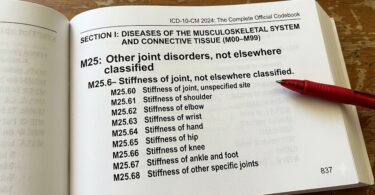
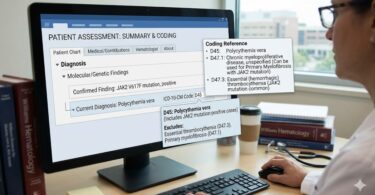
In the intricate world of modern healthcare, where clinical practice intersects with administration, research, and public policy, a system of universal language is paramount. This language, composed of alphanumeric codes, translates the complex tapestry of human illness into a standardized format that can be processed, analyzed, and understood across the globe. For a condition as profound and multifaceted as schizophrenia, this translation is not a mere clerical task; it is a critical act of clinical definition that carries immense weight. The International Classification of Diseases, 10th Revision (ICD-10) code for schizophrenia is far more than a billing tool or a statistical entry. It is a dense packet of information that encapsulates a patient’s most challenging experiences, a clinician’s diagnostic reasoning, and a healthcare system’s response.
This article embarks on a comprehensive exploration of the ICD-10 coding for schizophrenia. We will move beyond a simple listing of codes to unravel the clinical realities they represent. We will dissect the subtle differences between paranoid, disorganized, and catatonic subtypes, understanding not just their codes (F20.0, F20.1, F20.2) but the distinct symptom profiles that define them. We will delve into the critical importance of precise medical documentation, exploring how a clinician’s notes serve as the bridge between a patient’s lived experience and the alphanumeric label that will follow them through the healthcare ecosystem.
Furthermore, we will situate this discussion within the broader context of healthcare delivery. Accurate coding influences treatment pathways, informs epidemiological research that shapes public health strategies, and ensures the appropriate allocation of resources for serious mental illness. As we stand on the cusp of a transition to ICD-11, we will also examine how our understanding and classification of schizophrenia are evolving. This journey through the F20 code block is, ultimately, a journey into the heart of one of psychiatry’s most significant challenges, revealing how a structured diagnostic language is essential for fostering compassion, driving discovery, and delivering effective care.
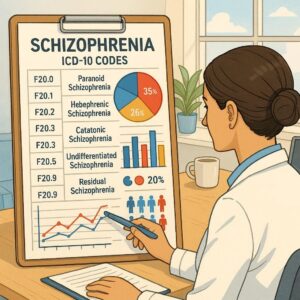
ICD-10 codes for schizophrenia
2. Understanding the Foundation: What is the ICD-10?
Before delving into the specifics of schizophrenia, it is essential to understand the system that contains its codes. The International Classification of Diseases (ICD) is a global health information standard managed by the World Health Organization (WHO). Its primary purpose is to systematically record, report, and analyze mortality and morbidity data from across the world. Think of it as a vast, meticulously organized library where every known disease, disorder, injury, and cause of death has its own unique “call number.”
The 10th Revision (ICD-10) was endorsed by the Forty-third World Health Assembly in 1990 and has been implemented by WHO Member States over the subsequent decades. It represents a significant advancement over its predecessors in terms of detail and clinical utility. The structure of an ICD-10 code is alphanumeric, beginning with a letter that generally corresponds to a chapter of diseases. Chapter V, designated by the letter F, is dedicated to “Mental and Behavioural Disorders.”
Within Chapter V, codes are further subdivided into blocks. The block F20-F29 is specifically for “Schizophrenia, Schizotypal and Delusional Disorders.” This is our primary area of focus. The ICD-10-CM (Clinical Modification) is the version used in the United States for diagnostic coding in all healthcare settings. While based on the WHO’s ICD-10, it includes more specific details and modifications to suit the U.S. healthcare system, particularly for morbidity classification and billing. The codes discussed in this article align with the ICD-10-CM system.
3. The Clinical Landscape of Schizophrenia: A Primer on Symptoms and Diagnosis
To understand the codes, one must first grasp the clinical entity they represent. Schizophrenia is a chronic and severe mental disorder that affects how a person thinks, feels, and behaves. People with schizophrenia may seem like they have lost touch with reality, which causes significant distress for the individual, their family, and their community. It is not a condition of “split personality,” a common misconception; rather, it is characterized by a fragmentation of mental processes.
The symptoms of schizophrenia are typically divided into several categories:
-
Positive Symptoms: These are “added” behaviors or experiences not seen in healthy people. They include:
-
Hallucinations: Sensory experiences that occur in the absence of an external stimulus. Auditory hallucinations (hearing voices) are the most common.
-
Delusions: Fixed, false beliefs that are not amenable to change in light of conflicting evidence. These can be paranoid (persecutory), grandiose, referential (believing random events are directed at oneself), or somatic.
-
Disorganized Thinking (Speech): Inferred from an individual’s speech, which may be tangential, incoherent, or derailed.
-
Grossly Disorganized or Abnormal Motor Behavior: This can manifest as childlike silliness, unpredictable agitation, or catatonic behavior.
-
-
Negative Symptoms: These represent a “diminution” or loss of normal emotional and behavioral functions. They are often more persistent and challenging to treat than positive symptoms. They include:
-
Affective Flattening: A severe reduction in the expression of emotions.
-
Alogia: Poverty of speech, or a reduction in the amount of speech.
-
Avolition: A decrease in motivated self-initiated purposeful activities.
-
Anhedonia: Inability to experience pleasure from activities usually found enjoyable.
-
Asociality: A lack of interest in social interactions.
-
-
Cognitive Symptoms: These involve problems with working memory, attention, executive function (the ability to plan and organize), and processing speed. These symptoms can be subtle but are a major contributor to functional disability.
DSM-5 vs. ICD-10 Diagnostic Criteria
It is crucial to note that while the ICD-10 and the American Psychiatric Association’s Diagnostic and Statistical Manual of Mental Disorders (DSM-5) are both authoritative diagnostic systems, they have some differences in their approach to schizophrenia. The ICD-10 places a stronger emphasis on the duration of symptoms and the presence of specific first-rank symptoms (e.g., thought broadcasting, insertion, or withdrawal) for diagnosis. It typically requires a one-month duration of characteristic symptoms (or shorter if successfully treated). The DSM-5, while similar, has a slightly different structure, requiring a six-month duration of some signs of disturbance and placing less weight on first-rank symptoms. For coding purposes, clinicians in the U.S. use the DSM-5 or ICD-10 criteria to make the diagnosis, but the code itself comes from the ICD-10-CM.
4. Navigating the Code Block: A Deep Dive into F20 Schizophrenia
The core of our exploration lies within the F20 category. This is not a single code but a family of codes, each specifying a particular clinical presentation of schizophrenia. Accurate coding requires the clinician to identify the predominant symptomatology at the time of the encounter.
F20.0 Paranoid Schizophrenia
This is arguably the most recognized and common subtype of schizophrenia.
-
Clinical Presentation: The clinical picture is dominated by relatively stable, often paranoid delusions, usually accompanied by auditory hallucinations. The delusions are frequently persecutory or grandiose in nature. In contrast to other subtypes, disorganized speech, flat or inappropriate affect, and catatonic behavior are not prominent. The patient’s personality and cognitive functioning may remain relatively intact for a longer period, which can sometimes lead to a later diagnosis as the individual may function superficially well until the delusional system becomes overwhelming.
-
Coding Implication: F20.0 is used when the clinical record documents delusions and/or hallucinations as the most prominent features, without significant disorganized or catatonic behavior.
F20.1 Disorganized Schizophrenia (Hebephrenia)
This subtype is characterized by a profound disruption in thought and behavior.
-
Clinical Presentation: The essential features are disorganized speech, disorganized behavior, and flat or inappropriate affect. The disorganization of thought leads to incoherent speech that is difficult to follow. Behavior is often aimless and silly, lacking purpose. Emotional expression is blunted or incongruous (e.g., laughing at a sad event). Delusions and hallucinations may be present, but they are fragmentary and not organized into a coherent theme, unlike in the paranoid type. Onset is typically earlier and the prognosis is often less favorable.
-
Coding Implication: F20.1 is assigned when disorganized speech and behavior, along with a disturbed affect, are the dominant clinical features.
F20.2 Catatonic Schizophrenia
This subtype is defined by striking psychomotor disturbances, which can range from a marked decrease in reactivity to the environment to excessive and purposeless motor activity.
-
Clinical Presentation: Key features include:
-
Stupor: A marked decrease in reactivity to the environment and spontaneous movement.
-
Catalepsy: Passive induction of a posture held against gravity.
-
Waxy Flexibility: The examiner can position the patient’s limbs into postures that the patient will maintain for long periods.
-
Mutism: A lack of verbal response.
-
Negativism: Opposition or no response to instructions or external stimuli.
-
Posturing: Spontaneous and active maintenance of a posture against gravity.
-
Mannerism: Odd, circumstantial caricature of normal actions.
-
Stereotypy: Repetitive, non-goal-directed movements.
-
Agitation: Not influenced by external stimuli.
-
Grimacing.
-
Echolalia/Echopraxia: Mimicking another’s speech or movements.
-
-
Coding Implication: F20.2 is used when the clinical picture is dominated by at least two of the catatonic features listed above. It is important to note that catatonia can also occur in other medical and psychiatric conditions, which must be ruled out.
F20.3 Undifferentiated Schizophrenia
This code acts as a diagnostic catch-all.
-
Clinical Presentation: This category is used when the patient meets the general diagnostic criteria for schizophrenia but does not clearly fit into the paranoid, disorganized, or catatonic subtypes. Alternatively, the patient’s symptoms may meet the criteria for more than one subtype without a clear single dominant pattern. For example, a patient may have prominent delusions and hallucinations (suggesting paranoid type) but also significant disorganized speech.
-
Coding Implication: F20.3 is a valid and frequently used code when the clinical presentation is mixed or atypical and does not allow for a more specific classification.
F20.5 Residual Schizophrenia
This code describes a chronic stage of the disorder.
-
Clinical Presentation: This diagnosis is appropriate when there is a clear history of at least one previous psychotic episode meeting the criteria for schizophrenia, but the current clinical state does not show prominent positive symptoms (i.e., no overt delusions, hallucinations, or disorganized speech). Instead, the presentation is dominated by “negative” symptoms, such as psychomotor slowing, social withdrawal, flat affect, poverty of speech, and a lack of initiative.
-
Coding Implication: F20.5 is used for follow-up encounters where the acute psychotic episode has resolved, but the patient is left with enduring negative symptoms and functional impairment. It indicates a chronic, stable, but deficit-laden phase of the illness.
F20.8 Other Schizophrenia
This is a residual category for forms of schizophrenia that do not fit into the previous categories. An example might be Simple Schizophrenia, a controversial diagnosis characterized by an insidious but progressive development of prominent negative symptoms without a history of overt psychotic episodes. This diagnosis is not universally recognized but is included here in the ICD-10 framework.
F20.9 Schizophrenia, Unspecified
This code should be used sparingly and only as a last resort.
-
Clinical Presentation & Coding Implication: This code is applied when there is insufficient information to assign a more specific code, or when a general diagnosis of schizophrenia is made without further specification. It is often used in emergency department settings or initial consultations where a comprehensive diagnostic assessment has not yet been completed. The goal of high-quality coding is always to be as specific as possible, making F20.9 a temporary placeholder rather than a permanent diagnosis.
Summary of ICD-10-CM Schizophrenia Subtypes (F20)
| ICD-10 Code | Subtype Name | Core Clinical Features | When to Use |
|---|---|---|---|
| F20.0 | Paranoid Schizophrenia | Dominated by stable delusions and/or auditory hallucinations. Disorganized symptoms and catatonia are NOT prominent. | Patient presents with prominent persecutory/grandiose delusions or “hearing voices.” |
| F20.1 | Disorganized Schizophrenia (Hebephrenia) | Dominated by disorganized speech, disorganized behavior, and flat/inappropriate affect. | Speech is incoherent, behavior is silly/aimless, and emotional expression is blunted. |
| F20.2 | Catatonic Schizophrenia | Dominated by psychomotor disturbances (e.g., stupor, catalepsy, agitation, posturing, mutism). | At least two catatonic symptoms are the most prominent feature of the presentation. |
| F20.3 | Undifferentiated Schizophrenia | Meets general criteria for schizophrenia but symptoms are mixed or do not clearly fit another subtype. | Patient has a mix of psychotic symptoms without a single dominant pattern (e.g., strong delusions AND disorganized speech). |
| F20.5 | Residual Schizophrenia | A chronic stage with prominent negative symptoms following a past psychotic episode. Positive symptoms are minimal or absent. | For stable, chronic patients showing social withdrawal, flat affect, avolition, but no active psychosis. |
| F20.8 | Other Schizophrenia | Includes rare variants like Simple Schizophrenia. | For forms of schizophrenia not described in the other categories. |
| F20.9 | Schizophrenia, Unspecified | General diagnosis of schizophrenia without specification of subtype. | Used when insufficient information is available to assign a more specific code (e.g., initial ED visit). |
5. The Critical Role of Documentation: Bridging Clinical Reality and Accurate Coding
The accuracy of any diagnostic code is entirely dependent on the quality of the clinician’s documentation. The medical record is the legal and clinical story of the patient’s care, and it is the sole source of information for the medical coder. Vague or incomplete documentation leads to inaccurate coding, which can have cascading negative effects.
What Constitutes High-Quality Documentation for Schizophrenia Coding?
-
Specificity of Symptoms: Instead of writing “patient is psychotic,” the clinician should document the precise symptoms: “Patient reports persistent auditory hallucinations of a commanding voice criticizing him,” or “Patient exhibits a fixed delusional belief that his neighbors are spying on him through the electrical outlets.”
-
Temporal Context: The record should indicate whether this is an initial diagnosis, a recurrent acute episode, or a chronic maintenance phase. Phrases like “first episode,” “exacerbation of known schizophrenia,” or “chronic stable residual state” are crucial.
-
Predominant Symptomology: For subtype specification, the documentation must clearly indicate which symptoms are the most prominent. A note might state: “Although the patient has some tangential thinking, the clinical picture is currently dominated by systematized paranoid delusions, warranting the use of F20.0.”
-
Rule-Outs and Comorbidities: The record should reflect that other potential causes for the psychosis (e.g., substance-induced, medical condition) have been considered. Furthermore, any comorbid conditions (e.g., F10.20 for alcohol use disorder) must be documented and coded separately.
-
Impact on Functioning: Documenting how the symptoms impact the patient’s activities of daily living, social functioning, and occupational performance provides context and supports the medical necessity of treatment.
Poor documentation not only risks incorrect reimbursement but also compromises data integrity for research and public health tracking. A coder cannot infer a subtype; they can only code what is explicitly documented.
6. Coding in Practice: Real-World Scenarios and Challenges
Let’s apply this knowledge to hypothetical but realistic clinical scenarios.
Scenario 1: The First Episode
-
Presentation: A 22-year-old college student is brought to the emergency department by police after being found yelling at strangers in a park. He is agitated and tells the evaluating psychiatrist that he is receiving secret messages from the television that he is the “second coming of Christ.” His speech is somewhat difficult to follow. This is his first-ever presentation of this nature.
-
Coding Challenge: While the grandiose delusions and referential ideas (TV messages) are clear, a definitive subtype may be difficult to assign in a single emergency visit. The disorganization in speech is noted but not the dominant feature.
-
Appropriate Code: F20.9 Schizophrenia, Unspecified. This is appropriate for an initial encounter where a comprehensive assessment is pending. The diagnosis may be refined to F20.0 or F20.3 after a period of inpatient observation.
Scenario 2: The Multi-Faceted Presentation
-
Presentation: A 45-year-old female with a 20-year history of schizophrenia is admitted for an acute exacerbation. Her chart documents that she is mute for periods of time, and nurses note she was found maintaining a strange, rigid posture with her arm extended for over an hour. She also intermittently whispers fragmented sentences about “poison in the water.”
-
Coding Challenge: This patient exhibits features of catatonia (mutism, posturing) as well as paranoid/persecutory delusions.
-
Appropriate Code: F20.2 Catatonic Schizophrenia. The catatonic symptoms (at least two: mutism and posturing) are the most striking and prominent features of this acute presentation, taking precedence over the content of her fragmented delusions.
Scenario 3: The Stable, Chronic Phase
-
Presentation: A 58-year-old man with a long history of paranoid schizophrenia comes for a routine follow-up. He is compliant with his antipsychotic medication. He denies any current hallucinations or delusions. However, his sister, with whom he lives, reports that he stays in his room all day, rarely initiates conversation, and has no interest in former hobbies. His affect during the interview is notably flat.
-
Coding Challenge: The active positive symptoms are in remission, but the patient is severely impaired by negative symptoms.
-
Appropriate Code: F20.5 Residual Schizophrenia. This code perfectly captures the chronic phase of the illness where negative symptoms are the primary source of disability.
7. Beyond F20: Related and Important Differential Diagnoses (F21-F29)
Schizophrenia exists on a spectrum of psychotic disorders. Accurate diagnosis and coding require differentiating it from these related conditions.
-
F21 Schizotypal Disorder: This disorder is characterized by eccentric behavior, anomalous perceptual experiences, and odd beliefs (e.g., superstitions, belief in clairvoyance) that are not of delusional intensity. It involves pervasive social and interpersonal deficits. It is considered a part of the schizophrenia spectrum but is a distinct, often stable, personality disorder.
-
F22 Persistent Delusional Disorders: The key feature here is the presence of persistent, non-bizarre delusions (i.e., situations that could occur in real life, such as being followed, poisoned, infected, loved at a distance, or deceived by one’s spouse) for at least three months. Other psychotic symptoms, especially hallucinations and the negative symptoms of schizophrenia, are absent or very brief. The classic example is delusional jealousy.
-
F23 Acute and Transient Psychotic Disorders: This is a crucial differential diagnosis for a first episode of psychosis. The key is the acute onset (within two weeks) and the short total duration (less than one to three months, depending on the specific code). The symptoms are polymorphic (changing rapidly in type and intensity) and often associated with acute stress.
-
F25 Schizoaffective Disorder: This is a hybrid disorder where an uninterrupted period of illness includes both a major mood episode (major depressive or manic) and the psychotic symptoms of schizophrenia (Criterion A) concurrently. Additionally, delusions or hallucinations must be present for at least two weeks in the absence of the mood episode during the lifetime duration of the illness. Distinguishing this from schizophrenia with comorbid depression can be challenging but is critical, as treatment and prognosis differ.
8. The Impending Transition: A Look at ICD-11 and its Revisions for Schizophrenia
The world of medical classification is not static. The WHO’s ICD-11 came into effect in January 2022, representing a significant paradigm shift in the diagnosis of schizophrenia and other psychotic disorders.
Key Changes in ICD-11:
-
Elimination of Subtypes: ICD-11 has completely removed the traditional subtypes of schizophrenia (paranoid, disorganized, catatonic, etc.). The working group found that these subtypes had low diagnostic stability and poor prognostic validity. They did not reliably predict course, treatment response, or outcome.
-
A Dimensional Approach: Instead of subtypes, ICD-11 encourages clinicians to rate the symptom dimensions. For schizophrenia, the diagnosis is now made with specifiers for:
-
Positive Symptoms
-
Negative Symptoms
-
Depressive Symptoms
-
Manic Symptoms
-
Psychomotor Symptoms (e.g., catatonia)
-
Cognitive Symptoms
-
-
Catatonia as a Separate Entity: Catatonia is now coded as a separate specifier that can be applied to schizophrenia, other mental disorders, or medical conditions, acknowledging that it is a trans-diagnostic syndrome.
-
Simplified Duration Requirement: The required duration of symptoms has been simplified to “at least one month,” though some signs of the disorder should persist for at least six months.
Implications: This shift moves coding from a categorical “pigeonholing” of patients to a more nuanced and clinically descriptive system that can better capture the individual’s unique symptom profile over time. For coders and clinicians, this means learning a new, less prescriptive system that prioritizes a comprehensive clinical description over selecting a single subtype.
9. The Human Impact: Why Accurate Coding Matters Beyond Reimbursement
While accurate coding is fundamental for healthcare facility reimbursement, its importance extends far beyond financial transactions.
-
For Public Health and Research: Accurate, specific codes are the raw data for epidemiology. They allow health authorities to track the prevalence and incidence of schizophrenia subtypes across different populations and geographies. This data is vital for identifying risk factors, planning community mental health services, and allocating government funding for research into specific aspects of the disorder. If all schizophrenia is coded as F20.9, our ability to understand the different manifestations of the illness is severely hampered.
-
For Treatment Planning and Resource Allocation: Within a healthcare system, coded data helps administrators understand the needs of their patient population. A clinic with a high number of patients coded F20.5 (Residual) might invest more in psychosocial rehabilitation and supported employment programs. In contrast, a hospital with many F20.0 (Paranoid) admissions might focus resources on advanced antipsychotic pharmacotherapy and crisis intervention teams.
-
For the Patient’s Journey: An accurate code follows the patient through the healthcare system. It ensures continuity of care by quickly informing new providers of the patient’s diagnostic history. It can also be used to identify patients who may be eligible for specific clinical trials, specialized case management, or disability support services. In essence, a precise code helps to ensure that the patient receives the most appropriate and targeted care possible.
10. Conclusion: The Code as a Keystone in the Arch of Care
The alphanumeric codes for schizophrenia within the ICD-10 framework are far from dry administrative artifacts. They are the critical linchpins connecting the subjective experience of a devastating illness to the objective structures of medical science, healthcare delivery, and public policy. Mastering their nuances—understanding the clinical reality behind F20.0 versus F20.1 versus F20.5—is an exercise in clinical precision and empathy. As we move towards the more dimensional approach of ICD-11, the fundamental principle remains unchanged: the pursuit of accurate classification is, at its heart, the pursuit of better understanding, more effective treatment, and ultimately, greater hope for individuals and families navigating the profound challenges of schizophrenia. It is through this precise diagnostic language that we can build a more coherent and compassionate arch of care.
11. Frequently Asked Questions (FAQs)
Q1: What is the difference between ICD-10 code F20.9 and F20.3?
-
A: F20.9, “Schizophrenia, Unspecified,” is used when there is not enough information to determine any subtype (e.g., in an initial emergency visit). F20.3, “Undifferentiated Schizophrenia,” is used when there is enough information, and the patient clearly has schizophrenia, but their symptoms are a mixed bag that doesn’t neatly fit the criteria for paranoid, disorganized, or catatonic types. F20.3 is a specific diagnosis; F20.9 is a non-specific placeholder.
Q2: Can a patient’s schizophrenia ICD-10 code change over time?
-
A: Yes, absolutely. Schizophrenia is a dynamic illness. A patient might be admitted with a first episode coded as F20.0 (Paranoid). During a subsequent relapse, they might exhibit prominent catatonic features, warranting a change to F20.2. Later in life, when their positive symptoms are controlled but they are left with severe negative symptoms, their stable diagnosis might become F20.5 (Residual). The code should reflect the current clinical presentation.
Q3: Why is the catatonic subtype (F20.2) its own code? It seems rare.
-
A: While less common than the paranoid subtype, catatonia is a severe, life-threatening neuropsychiatric syndrome that requires very specific and urgent medical interventions (e.g., benzodiazepines, Electroconvulsive Therapy). Giving it a distinct code emphasizes its clinical importance, ensures it is tracked separately in health records, and can trigger specific treatment protocols, potentially improving patient outcomes.
Q4: How does substance-induced psychosis relate to these codes?
-
A: Substance-induced psychotic disorder is coded in a different chapter of the ICD-10 (e.g., F10.25 for alcohol-induced psychotic disorder). A diagnosis of schizophrenia (F20.x) should only be made if the psychotic symptoms persist for a significant period (e.g., one month) after the effects of intoxication or withdrawal have subsided. Clinicians must carefully rule out substance use as a primary cause before assigning an F20 code.
Q5: I’ve heard ICD-11 is out. Should I still be learning the ICD-10 codes for schizophrenia?
-
A: For the foreseeable future, yes. The transition from ICD-10 to ICD-11 in clinical and billing practice is a massive undertaking that will take years, especially in the United States. ICD-10-CM is the current, legally mandated standard. Understanding its structure and logic provides a solid foundation for transitioning to ICD-11 in the future.
12. Additional Resources
-
World Health Organization (WHO): ICD-10 Online Version – The official browser for the base ICD-10 system.
https://icd.who.int/browse10/2019/en -
Centers for Medicare & Medicaid Services (CMS): ICD-10-CM Official Guidelines for Coding and Reporting – The definitive guide for U.S. coding practices.
https://www.cms.gov/medicare/coding/icd10/downloads/2025-icd-10-cm-guidelines.pdf (Check for the most current year) -
National Institute of Mental Health (NIMH): Schizophrenia – A reliable source for up-to-date clinical and research information on the disorder.
https://www.nimh.nih.gov/health/topics/schizophrenia -
World Health Organization: ICD-11 Implementation Toolbox – Resources for understanding and preparing for the transition to ICD-11.
https://www.who.int/standards/classifications/frequently-asked-questions/icd-11-implementation-toolbox
Disclaimer: This article is intended for informational and educational purposes only. It is not a substitute for professional medical advice, diagnosis, or treatment. Always seek the advice of your physician or other qualified health provider with any questions you may have regarding a medical condition. The coding information provided is based on the ICD-10-CM guidelines and is subject to change. Always consult the most current, official coding manuals and resources for accurate billing and diagnostic purposes.
Date: October 26, 2025
Author: The Medical Analysis Team