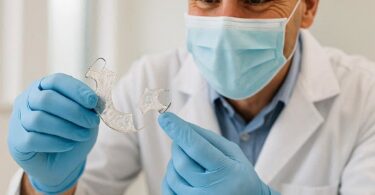
Imagine waking up with jaw pain, frequent headaches, or worn-down teeth—symptoms that can be subtle but disruptive. These signs often point to a condition known as bruxism, or teeth grinding, which can wreak havoc on oral health. That’s where dental mouth guards come in, and more specifically, the D9952 dental code. This dental procedure code refers to a custom-fitted mouth guard, often used to treat bruxism or protect teeth during sleep.
Understanding what this code covers can help patients navigate insurance claims, make informed decisions about their care, and communicate effectively with dental professionals. This article provides a comprehensive look at Dental Code D9952, its uses, benefits, and everything in between.
D9952 Dental Code
2. What Is the D9952 Dental Code?
D9952 is part of the CDT (Current Dental Terminology) coding system managed by the American Dental Association (ADA). Specifically, D9952 refers to:
“Occlusal guard, by report.”
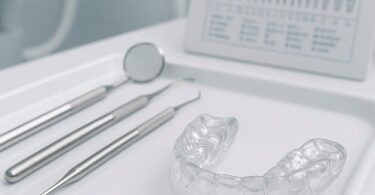
This means it is a custom dental appliance designed to minimize the effects of bruxism, clenching, and related issues. The “by report” aspect requires that the dentist documents the specifics of the case, including reasons, impressions, and intended outcome.
It’s important to note that the D9952 code is procedure-specific, generally excluding over-the-counter mouth guards. The appliance must be custom-fabricated by a dental professional to qualify.
3. Purpose of a Dental Mouth Guard
Dental mouth guards are protective appliances crafted to fit the unique contours of an individual’s teeth and jaw. The key purposes include:
-
Preventing teeth grinding (bruxism)
-
Reducing jaw pain or TMJ disorders
-
Minimizing enamel wear
-
Improving sleep quality in some cases
-
Providing post-orthodontic support
A D9952 mouth guard may be hard, soft, or dual-laminate, depending on the patient’s needs.
4. D9952 vs. Other Dental Codes
Dental coding can be confusing, especially when multiple codes seem similar. Here’s a table to help distinguish D9952 from others:
Table 1: Comparison of Common Dental Appliance Codes
| Code | Description | Use Case |
|---|---|---|
| D9940 | Occlusal guard, unspecified type | General use, less specific |
| D9951 | Occlusal adjustment – limited | One-time or minor adjustments |
| D9952 | Occlusal guard, by report | Custom guard with detailed reporting |
| D9944 | Occlusal guard – hard appliance, full arch | Full protection for upper/lower jaw |
| D9946 | Occlusal guard – hard appliance, partial arch | Partial protection for specific teeth |
Understanding these differences ensures accurate insurance claims and effective treatment planning.
5. Who Needs a D9952 Procedure?
Not everyone who grinds their teeth is immediately aware of it. Some of the candidates for a D9952 dental guard include:
-
People with chronic bruxism
-
Patients experiencing TMD/TMJ symptoms
-
Those with clenching habits
-
Athletes who need protection outside of sports mouth guards
-
Individuals with sleep apnea-related grinding
A dentist usually confirms the need through clinical symptoms, wear patterns, and patient history.
6. Steps Involved in the D9952 Procedure
Here is a detailed breakdown of how a D9952 procedure typically unfolds:
-
Initial Examination: The dentist examines the patient’s teeth and jaw alignment.
-
Impression or Scan: A mold or digital scan is taken to create a custom-fit device.
-
Lab Fabrication: The impression is sent to a dental lab to fabricate the appliance.
-
Fitting Session: Once the guard is ready, the dentist fits it and adjusts it for comfort.
-
Usage Instructions: The patient is instructed on when and how to use it.
-
Follow-up: Regular checkups to ensure the guard remains effective.
7. Costs and Insurance Considerations
The cost of a D9952 procedure can vary widely depending on:
-
Geographic location
-
Type of appliance
-
Dentist’s fees
-
Lab costs
Typical cost range: $300 – $800 USD
Insurance Tip: Most dental insurance plans may partially cover this procedure, especially if it’s medically necessary. The “by report” element emphasizes the need for clinical justification, so documentation is key.
8. Clinical Benefits of the D9952 Appliance
-
Reduces enamel erosion
-
Prevents tooth fractures
-
Alleviates headaches and migraines
-
Protects costly dental restorations
-
Minimizes jaw discomfort
In the long run, using a D9952 appliance may save hundreds in restorative procedures.
9. Risks and Considerations
Like any medical appliance, dental mouth guards aren’t without potential downsides:
-
Improper fit can lead to more discomfort
-
Allergic reactions to materials (rare)
-
May require frequent adjustments
-
Not a cure—manages symptoms only
Choosing a reputable provider and following care guidelines can minimize these issues.
10. How Dentists Use This Code in Practice
Dentists use D9952 when the appliance is:
-
Prescribed for a specific condition
-
Custom-fabricated based on impressions
-
Documented with thorough patient records
Dentists often provide a written narrative or clinical notes when submitting insurance claims using this code.
11. Conclusion
The D9952 dental code refers to a custom-fitted mouth guard that plays a crucial role in managing bruxism, protecting dental health, and alleviating jaw pain. Understanding this procedure, its cost, insurance implications, and benefits can lead to more informed dental care decisions.
12. FAQs
Q1: Is the D9952 code covered by dental insurance?
A: Often yes, especially when supported by clinical documentation showing medical necessity.
Q2: How long does a mouth guard last?
A: On average, 1–5 years, depending on usage and maintenance.
Q3: Is there a difference between over-the-counter and D9952 mouth guards?
A: Yes. D9952 guards are custom-fit by a dentist, while OTC versions are generic and often less effective.
Q4: Can kids use a D9952 appliance?
A: Yes, but it depends on growth stage and individual dental needs.
Q5: What material is used for D9952 mouth guards?
A: Typically hard acrylic or dual-laminate materials depending on patient condition.