In the intricate world of dentistry, preventive care stands as a cornerstone, aiming to intercept oral diseases before they take hold. Among the myriad of tools and techniques employed to safeguard dental health, dental sealants hold a particularly vital position, especially when it comes to protecting the vulnerable chewing surfaces of posterior teeth. These surfaces, characterized by their complex topography of pits and fissures, act as natural traps for food particles and bacteria, making them prime real estate for the initiation of dental caries, commonly known as cavities. It is within this context of proactive defense that dental code D1351 emerges as a significant identifier, representing the application of a sealant – a thin, protective coating designed to seal off these susceptible areas. This article delves deeply into dental code D1351, exploring its meaning, the procedure it represents, its profound benefits, and its integral role in fostering a future free from preventable tooth decay. Understanding D1351 is not merely about deciphering a billing code; it is about appreciating a simple yet incredibly effective intervention that has reshaped preventive dentistry, offering a powerful layer of protection, particularly for those most at risk.
Dental Code D1351
2. Understanding D1351: More Than Just a Number
Dental code D1351, as defined by the American Dental Association (ADA) in its Current Dental Terminology (CDT) codes, specifically designates “Sealant – per tooth.” This code is categorized within the broader range of preventive services (D1000-D1999), clearly indicating its purpose as a measure taken to prevent the onset or progression of dental disease. Unlike restorative codes that address existing damage (like fillings for cavities), D1351 is applied to sound tooth structure or, in some cases, very early, non-cavitated lesions, to prevent the need for future, more complex, and often more costly treatments. The “per tooth” designation is crucial, meaning that the code is applied and typically billed for each individual tooth that receives a sealant application. This allows for precise record-keeping and billing based on the extent of the preventive treatment provided. While the concept of applying a protective barrier to teeth dates back decades, the formalization of this procedure under a specific code like D1351 has streamlined dental practice management, insurance processing, and public health tracking of sealant utilization. It provides a universal language for dental professionals and payers when discussing this specific preventive service.
3. The Silent Threat: Why Pits and Fissures Matter
The chewing surfaces of our back teeth – the molars and premolars – are not smooth. Instead, they are characterized by intricate valleys and grooves known as pits and fissures. These anatomical features, while essential for grinding food, also create microscopic environments where food particles and bacteria can easily become trapped. Due to their narrow and deep structure, the bristles of a toothbrush often cannot effectively reach into the depths of these pits and fissures to remove the accumulated debris and the acid-producing bacteria that reside there. This makes these areas significantly more susceptible to demineralization and the formation of cavities compared to the smoother surfaces of the teeth. In fact, studies have consistently shown that a vast majority of dental caries, particularly in children and adolescents, originates in these vulnerable pit and fissure surfaces. Recognizing this inherent vulnerability is key to understanding the rationale behind dental sealants and the importance of procedures like those covered by D1351. Sealants are specifically designed to obliterate these precarious hiding spots, transforming the rough, retentive surface into a smooth, easy-to-clean plane that denies bacteria the refuge they need to initiate decay.
4. Dental Sealants: A Protective Shield in Action
At its core, a dental sealant is a thin, plastic coating that is painted onto the chewing surfaces of the molars and premolars. Once applied, it quickly hardens, forming a smooth, durable barrier that effectively seals off the pits and fissures. This barrier serves as a physical shield, preventing food particles, plaque, and acid from entering the grooves and causing decay. Think of it like a raincoat for the tooth’s chewing surface, deflecting harmful elements and keeping the enamel underneath safe and sound. The material used for sealants is typically a tooth-colored resin or, in some cases, a glass ionomer cement. Both materials are biocompatible and designed to bond effectively to the tooth enamel. The application is a non-invasive procedure, requiring no drilling or removal of tooth structure, which makes it a comfortable and stress-free experience, especially for younger patients. The effectiveness of sealants lies in their ability to deny the cariogenic bacteria access to the enamel surface in the pits and fissures, thereby stopping the decay process before it can even begin. This preventive power is what makes the procedure designated by D1351 such a valuable component of modern dental care.
5. The Clinical Procedure: Step-by-Step Application (D1351 in Practice)
The application of a dental sealant, represented by code D1351, is a straightforward and relatively quick process, typically completed during a regular dental visit. The procedure involves several key steps to ensure optimal adhesion and effectiveness:
-
Cleaning: The tooth surface designated for the sealant is thoroughly cleaned to remove any plaque, food debris, and stains from the pits and fissures. This is often done using a small brush and polishing paste or an air abrasion unit. A clean surface is essential for the sealant material to bond properly to the enamel.
-
Isolation: The tooth is then isolated from saliva and moisture. This is a critical step, as contamination with saliva can compromise the bond of the sealant to the enamel. Isolation can be achieved using cotton rolls, absorbent pads, or a dental dam. Maintaining a dry field is paramount for the success of resin-based sealants.
-
Etching: An acidic solution, typically a weak phosphoric acid gel, is applied to the chewing surface for a short period (usually 15-60 seconds, depending on the specific product and manufacturer’s instructions). This etching process creates microscopic pores in the enamel surface, roughening it slightly. This roughened surface allows the sealant material to mechanically interlock with the enamel, creating a strong bond.
-
Rinsing and Drying: The acidic etchant is thoroughly rinsed off with water, and the tooth surface is then completely dried. The etched enamel will appear dull and frosty white, indicating that the etching has been successful.
-
Sealant Application: The liquid sealant material is carefully painted onto the etched chewing surface, flowing into the pits and fissures. Care is taken to ensure that all the grooves are covered and that there are no air bubbles trapped within the sealant.
-
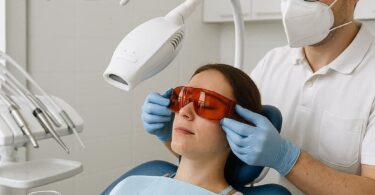
Curing: A special curing light, typically a blue LED light, is then used to harden the sealant material. The light activates a catalyst within the sealant, causing it to polymerize and become a hard, protective plastic coating. This curing process usually takes only a few seconds per tooth.
-
Evaluation: The dentist or dental hygienist will check the hardened sealant to ensure it is fully covering the pits and fissures, is smooth, and is properly bonded to the tooth. Any necessary adjustments to the bite are made.
This entire process is painless and does not require local anesthetic. The simplicity and non-invasive nature of sealant application make it an ideal preventive measure, especially for children and individuals who may experience dental anxiety.
6. Who Benefits Most? Patient Selection Criteria
While dental sealants can be beneficial for many individuals, they are particularly recommended for certain groups and teeth based on their risk of developing pit and fissure caries.
- Children and Adolescents: This is the primary target group for sealants. As soon as the permanent molars and premolars erupt, their chewing surfaces are most vulnerable to decay. Applying sealants shortly after eruption can provide protection during the crucial years when children are developing their oral hygiene habits and are often consuming diets higher in sugar. The CDC and other public health organizations strongly endorse school-based and clinical sealant programs for this age group due to their proven effectiveness in preventing cavities.
- Teeth with Deep Pits and Fissures: Regardless of age, any tooth with deep, retentive grooves on its chewing surface is a candidate for sealant application. Even in adults, if these surfaces are free of decay, sealing them can provide valuable protection.
- Patients with a High Risk of Caries: Individuals with a history of cavities, poor oral hygiene, limited fluoride exposure, or certain medical conditions (like dry mouth) may be at increased risk of developing decay. Sealants can be a crucial part of their comprehensive preventive plan.
- Non-Cavitated Lesions: In some cases, sealants may be applied to very early stages of decay (incipient or non-cavitated lesions) that are confined to the enamel in the pits and fissures. By sealing off the lesion from its nutrient source (bacteria and sugar), the decay process can potentially be arrested.
It is important to note that sealants are generally not recommended for teeth that already have decay that extends into the dentin or teeth that have already been restored with fillings on the chewing surface. A thorough dental examination, often including bitewing radiographs, is necessary to determine if a tooth is a suitable candidate for sealant application under code D1351.
7. Resin vs. Glass Ionomer: Choosing the Right Material
While resin-based sealants are the most commonly used type, glass ionomer cements are also utilized, particularly in certain clinical situations. Understanding the differences can help appreciate why a dental professional might choose one over the other:
-
Resin-Based Sealants: These are typically made from materials similar to those used in tooth-colored fillings. They require a dry field for optimal bonding, which is achieved through the rigorous isolation steps mentioned earlier (etching, rinsing, drying). Resin sealants are generally considered more durable and longer-lasting than glass ionomer sealants when placed in a well-controlled, dry environment. They bond primarily through mechanical retention into the etched enamel.
-
Glass Ionomer Sealants: These materials have a unique property in that they can bond to tooth structure even in the presence of some moisture. This makes them a valuable option in situations where achieving complete dryness is challenging, such as when treating very young children or individuals with special needs. Glass ionomer materials also have the added benefit of releasing fluoride over time, which can provide additional protection to the surrounding enamel. While their initial retention rates may be slightly lower than resin sealants in ideal conditions, their ability to prevent decay is considered comparable when they remain intact.
The choice of sealant material (which is still reported under D1351 as the procedure code for sealant application) is a clinical decision made by the dental professional based on the specific needs of the patient, the condition of the tooth, and the ability to maintain a dry field during the procedure.
8. Longevity and Effectiveness: How Long Does the Protection Last?
One of the most compelling aspects of dental sealants is their impressive effectiveness and longevity in preventing pit and fissure decay. Research and clinical studies have consistently demonstrated their protective power:
- High Cavity Prevention Rates: The Centers for Disease Control and Prevention (CDC) states that dental sealants can prevent 80% of cavities in the back teeth for two years after application. They continue to protect against 50% of cavities for up to four years. This is a significant impact, considering that the majority of cavities originate in these surfaces.
- Potential for Extended Lifespan: With proper care and maintenance, dental sealants can last much longer, often providing effective protection for five to ten years or even more. Regular dental check-ups are essential to monitor the condition of the sealants and ensure they remain intact.
- Factors Influencing Longevity: Several factors can influence how long a sealant remains effective:
- Quality of Application: Proper technique, including thorough cleaning, isolation, etching, and curing, is critical for a strong bond and long-lasting sealant.
- Oral Hygiene: While sealants protect the sealed surfaces, good overall oral hygiene, including regular brushing and flossing, is still essential to prevent decay on other tooth surfaces.
- Diet: A diet high in sugary and acidic foods and drinks can weaken enamel and potentially affect the sealant material over time.
- Chewing Habits: Habits like chewing on ice or hard objects can chip or wear away the sealant.
- Regular Check-ups: Routine dental visits allow the dentist to inspect the sealants for any signs of wear, chipping, or debonding and to repair or replace them as needed.
Even if a sealant is partially lost or chipped, the portion that remains intact continues to provide protection to the area it covers. The procedure represented by D1351 is an investment in long-term oral health, significantly reducing the likelihood of developing costly and potentially uncomfortable cavities.
9. Maintaining the Barrier: Oral Hygiene and Recall Appointments
While dental sealants provide a powerful barrier against decay on the chewing surfaces, they are not a “set it and forget it” solution. Maintaining their integrity and ensuring their continued effectiveness requires ongoing attention from both the patient and the dental professional.
- Excellent Oral Hygiene: Patients with sealants should continue to practice diligent oral hygiene, including brushing at least twice a day with fluoride toothpaste and flossing daily. While the sealed surfaces are protected, other areas of the teeth, particularly the smooth surfaces and the areas between teeth, remain susceptible to decay. Effective brushing helps keep the sealant surface clean, and flossing is crucial for preventing interproximal (between-tooth) cavities.
- Avoiding Hard and Sticky Foods: Advising patients to minimize consumption of excessively hard or sticky foods can help prevent chipping or dislodging of the sealant material.
- Regular Dental Check-ups: Routine dental recall appointments are vital for individuals with sealants. During these visits, the dental professional will carefully examine each sealed tooth to check the condition of the sealant. They will look for any signs of wear, chipping, or areas where the sealant may have debonded. If a sealant is found to be damaged or partially missing, it can often be repaired or replaced during the same appointment. This simple maintenance step is crucial for ensuring continuous protection. The D1351 code may be used again if a new sealant is applied to a previously sealed tooth due to loss or damage of the original.
Think of sealants as a high-tech layer of paint on a valuable surface; while durable, periodic inspection and touch-ups ensure the underlying material remains protected from the elements. The partnership between good home care and professional monitoring is key to maximizing the benefits of the D1351 procedure.
10. Navigating the Financial Landscape: Insurance and D1351
Understanding how dental insurance plans cover dental code D1351 is important for both dental practices and patients. Coverage for sealant application can vary depending on the specific insurance provider and the individual plan. However, because sealants are recognized as a highly effective preventive treatment, many dental insurance plans provide at least partial, if not full, coverage for this procedure, particularly for children and adolescents.
Common considerations regarding insurance coverage for D1351 include:
- Age Limitations: Many insurance plans have age limitations for sealant coverage, often covering them for patients up to a certain age (e.g., 14 or 16), recognizing the increased vulnerability of newly erupted permanent teeth in this demographic. However, some plans may offer coverage for adults, especially those deemed at high risk for caries.
- Covered Teeth: Insurance policies may also specify which teeth are covered for sealant application. Typically, coverage is limited to the permanent molars and premolars, as these are the teeth with the most prominent pits and fissures.
- Frequency Limitations: Some plans may have frequency limitations, such as covering a sealant on the same tooth only once every three to five years.
- Medical Necessity and Documentation: Dental practices must often demonstrate the medical necessity of applying a sealant, particularly for adult patients or in cases that may fall outside standard coverage guidelines. Proper clinical documentation, including notes on the tooth’s condition, the patient’s caries risk, and potentially radiographs, is crucial for successful insurance claim processing under D1351.
- Coordination of Benefits: For patients with multiple insurance plans, coordinating benefits can be complex. Dental practices need to understand the primary and secondary insurance rules to ensure claims are submitted correctly.
Given the variability in insurance coverage, it is always advisable for patients to check with their insurance provider beforehand to understand their specific benefits regarding dental code D1351. Dental offices can also assist patients in verifying coverage and submitting pre-treatment estimates. Despite potential out-of-pocket costs, the expense of a sealant is almost always significantly less than the cost of filling a cavity that could have been prevented.
Here is a simplified example of how insurance might cover D1351:
Note: This table is illustrative and actual coverage varies greatly by specific plan.
11. Beyond D1351: Related Preventive Codes
While D1351 specifically covers the application of a sealant per tooth, it’s helpful to understand its relationship to other preventive dental codes. This context highlights the range of services available to prevent dental disease:
- D1352 – Preventive Resin Restoration – in a moderate to high caries risk patient – permanent tooth: This code is used for a procedure that is similar to a sealant but involves minimal removal of tooth structure to access and treat a very small, early carious lesion confined to the enamel in the pits and fissures, followed by restoration with a resin material. It bridges the gap between a purely preventive sealant (D1351) and a traditional restorative filling (D2000 series).
- D1354 – Application of caries arresting medicament – per tooth: This code is used for applying a substance like Silver Diamine Fluoride (SDF) to arrest the progression of existing carious lesions. While preventive in its goal of stopping decay, it is applied to existing lesions rather than primarily preventing new ones like a sealant.
- D1355 – Caries preventive medicament application – per tooth: This code is for the application of other caries preventive medicaments, excluding topical fluorides. This could include various antimicrobial or remineralizing agents applied to the tooth surface.
Understanding these related codes helps illustrate the spectrum of preventive interventions available to dental professionals, with D1351 focusing specifically on the physical sealing of susceptible pit and fissure anatomy.
12. Common Misconceptions About Sealants
Despite their proven effectiveness, some misconceptions about dental sealants persist. Addressing these can help patients make informed decisions about their oral health:
- Misconception: Sealants are only for children.
- Reality: While children are the primary beneficiaries due to newly erupted teeth, adults with deep pits and fissures who are at risk of decay can also significantly benefit from sealants.
- Misconception: Getting sealants means you don’t need to brush or floss.
- Reality: Sealants protect specific surfaces, but good oral hygiene is still essential to prevent decay on other parts of the tooth and maintain overall oral health.
- Misconception: The application process is painful.
- Reality: Applying sealants is a non-invasive procedure that involves no drilling and is completely painless.
- Misconception: Sealants contain harmful chemicals.
- Reality: The materials used in dental sealants are considered safe and biocompatible. Any potential exposure to trace amounts of certain compounds is minimal compared to the significant benefit of preventing decay.
- Misconception: Sealants don’t last long.
- Reality: With proper care and regular dental check-ups, sealants can provide effective protection for many years, often between 5 and 10.
Educating patients about the facts surrounding dental sealants helps to alleviate concerns and encourages the utilization of this valuable preventive service identified by code D1351.
13. The Role of Sealants in a Comprehensive Preventive Strategy
Dental sealants, coded as D1351, are not a standalone solution but rather an integral part of a comprehensive strategy for preventing dental caries. Their effectiveness is maximized when combined with other preventive measures:
- Regular Dental Check-ups and Cleanings: These appointments allow for professional removal of plaque and tartar, early detection of any oral health issues, and monitoring the condition of existing sealants.
- Fluoride: Fluoride, through fluoridated toothpaste, drinking water, and professional applications (like fluoride varnish, coded separately), strengthens tooth enamel and makes it more resistant to acid attacks. Sealants and fluoride work synergistically to protect teeth.
- Patient Education: Understanding the causes of tooth decay, proper brushing and flossing techniques, and the importance of a balanced diet are crucial for maintaining oral health.
- Dietary Counseling: Reducing the frequency of consuming sugary and acidic foods and drinks limits the fuel source for the bacteria that cause decay.
By combining the protective barrier of sealants on vulnerable surfaces with the enamel-strengthening effects of fluoride, diligent home care, and regular professional visits, individuals can significantly reduce their risk of developing cavities and maintain healthy smiles for a lifetime. The D1351 procedure is a powerful weapon in this multi-faceted fight against tooth decay.
14. Conclusion: Investing in Long-Term Oral Health
Dental code D1351 represents the application of dental sealants, a highly effective and non-invasive preventive treatment. By creating a protective barrier over the vulnerable chewing surfaces of molars and premolars, sealants significantly reduce the risk of pit and fissure cavities. This simple procedure is a wise investment in long-term oral health, particularly for children and adolescents, saving time, discomfort, and the financial burden of future restorative treatments.
15. Frequently Asked Questions (FAQs) About D1351 and Sealants
Q1: What exactly is dental code D1351? A1: Dental code D1351 is the standardized code used in dentistry to identify the procedure for applying a dental sealant to a single tooth. It falls under the category of preventive dental services in the ADA’s CDT codes.
Q2: Which teeth are typically sealed using the D1351 procedure? A2: Sealants are most commonly applied to the chewing surfaces (occlusal surfaces) of the permanent molars and premolars because these teeth have the deepest pits and fissures that are most susceptible to decay.
Q3: Is the sealant application procedure painful? A3: No, the application of dental sealants is a painless and non-invasive procedure. It involves cleaning the tooth, applying an etching solution (which may cause a brief, mild sensation), rinsing, applying the liquid sealant, and hardening it with a light. No drilling or shots are required.
Q4: How long do dental sealants applied under D1351 typically last? A4: With proper care and maintenance, dental sealants can last between 5 and 10 years, sometimes longer. Regular dental check-ups are important to monitor their condition, and they can be repaired or replaced if needed.
Q5: Are dental sealants covered by insurance? A5: Many dental insurance plans, particularly those for children and adolescents, provide coverage for dental sealants. However, coverage varies by plan and may have age limits, covered tooth restrictions, or frequency limitations. It’s recommended to check with your specific insurance provider.
Q6: Can adults get dental sealants? A6: Yes, while often recommended for children, adults who are at high risk for developing cavities and have deep pits and fissures on their molars and premolars can also benefit from dental sealants.
Q7: What happens if a sealant comes off? A7: If a sealant comes off, the tooth’s chewing surface is no longer protected. It’s important to see your dentist to have the sealant replaced as soon as possible to restore the preventive barrier.
Q8: Do sealants contain BPA or other harmful chemicals? A8: The materials used in dental sealants are considered safe for use in the mouth. While some resin-based materials may contain trace amounts of BPA-related compounds, studies have shown that exposure is minimal and far outweighed by the significant benefit of preventing tooth decay.
Q9: How do sealants prevent cavities? A9: Sealants prevent cavities by creating a smooth, protective barrier that covers the pits and fissures on the chewing surfaces of teeth. This prevents food particles, plaque, and acid-producing bacteria from getting trapped in these areas and causing decay.
Q10: Is D1351 the same as a filling? A10: No, D1351 (sealant) is a preventive procedure applied to healthy or very early demineralized tooth structure to prevent decay. A filling (coded in the D2000 series) is a restorative procedure used to repair a tooth that already has a cavity.