Orthodontic treatment is a significant investment of time and resources, culminating in a beautifully aligned smile. However, the journey doesn’t end when the braces come off or the aligners are completed. The retention phase is arguably the most critical step in ensuring the longevity of these results. Retainers, custom-made appliances designed to hold teeth in their new positions, are indispensable during this period. But what happens when these vital appliances are lost or broken? This is where dental code D8703 comes into play, specifically addressing the necessary replacement of a lost or broken maxillary (upper) retainer. Understanding this code is essential for both dental professionals and patients to navigate the process of maintaining that hard-earned smile.

Dental Code D8703
The World of Orthodontic Retention: Guarding Against Relapse
Orthodontic treatment works by applying gentle forces to teeth, gradually moving them into desired positions within the jawbone. This process, while effective, doesn’t instantly stabilize the teeth. The ligaments and bone surrounding the roots need time to remodel and solidify around the teeth’s new alignment. Without proper retention, teeth have a natural tendency to shift back towards their original positions, a phenomenon known as orthodontic relapse. This is why retainers are prescribed – to provide the necessary support and prevent unwanted movement.
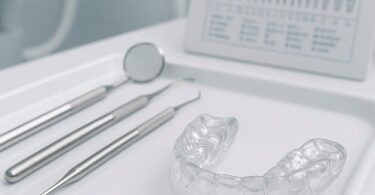
There are several types of retainers commonly used today. Hawley retainers, often recognizable by their acrylic base and metal wires, are a classic and durable option. Clear plastic retainers, like Essix retainers, are custom-molded trays that fit snugly over the teeth, offering a more aesthetic alternative. Fixed or bonded retainers, on the other hand, are wires permanently cemented to the back surfaces of the front teeth, providing continuous retention. Each type has its advantages and disadvantages, and the choice often depends on the individual patient’s needs, the orthodontist’s recommendation, and factors like compliance and oral hygiene.
Regardless of the type, the consistent and correct wearing of retainers, as prescribed by the orthodontic professional, is paramount. Initially, retainers are typically worn full-time, only removed for eating and oral hygiene. Over time, the wearing schedule may be adjusted to nightly use. This gradual reduction in wear time allows the surrounding tissues to adapt while still providing sufficient support to prevent relapse.
The Unforeseen Circumstance: When Retainers Go Astray or Get Damaged
Despite their crucial role, retainers are not immune to the accidents and wear and tear of daily life. Losing a retainer is a surprisingly common occurrence. This can happen in a myriad of ways: accidentally throwing them away while wrapped in a napkin during a meal, leaving them behind in a public place, or even pets mistaking them for a chew toy. The small, often clear nature of some retainers makes them particularly susceptible to being misplaced.
Breakage is another frequent issue. Retainers, especially removable ones, can be fragile. Dropping them on a hard surface, stepping on them, or even excessive force while cleaning can lead to cracks or breaks. Hawley retainers can have their wires bent or acrylic fractured, while clear plastic retainers can crack or warp. Fixed retainers, while less likely to be lost, can debond from a tooth or the wire itself can bend or break, often due to biting on hard foods or trauma.
When a retainer is lost or broken, time is of the essence. Even a short period without retention can allow teeth to begin shifting. The longer the delay in replacing the retainer, the greater the risk of significant tooth movement, which could necessitate further orthodontic treatment to correct. This underscores the importance of prompt action when a retainer is compromised.
Navigating the Replacement: The Process and Dental Code D8703
When a patient presents with a lost or broken maxillary retainer, the dental professional will initiate the replacement process. This typically begins with an assessment of the patient’s current dental alignment to determine if any significant tooth movement has occurred since the retainer was last worn or was intact. If the shift is minimal, a new retainer can often be fabricated based on the current position of the teeth. If there has been substantial relapse, a discussion about potential limited orthodontic treatment to reposition the teeth before making a new retainer may be necessary.
Assuming the teeth are still in a suitable position, the next step involves taking an impression or performing a digital scan of the maxillary arch. This creates an accurate模具 or digital model of the patient’s upper teeth. This model is then sent to a dental laboratory specializing in orthodontic appliances.
The laboratory uses the impression or scan to fabricate a new retainer. The type of retainer fabricated will typically be the same as the lost or broken one, unless the orthodontist recommends a different type based on the patient’s needs or preferences. The fabrication process can take several days to a couple of weeks, depending on the lab’s workload and the complexity of the retainer.
Once the new retainer is ready, the patient will return to the dental office for a fitting appointment. The dental professional will ensure the retainer fits correctly and comfortably, making any necessary adjustments. They will also provide the patient with instructions on how to care for the new retainer, including cleaning protocols and the prescribed wearing schedule.
This entire process, specifically for the replacement of a lost or broken retainer for the upper arch, is reported to dental insurance companies using CDT Code D8703: Replacement of lost or broken retainer – maxillary. This code is a crucial piece of information for accurate billing and processing of insurance claims.
Understanding Dental Code D8703 in Detail
The Current Dental Terminology (CDT) codes are a standardized system used by dental professionals to report dental procedures and services to dental benefits plans. Maintained by the American Dental Association (ADA), this system ensures consistency and clarity in dental billing.
CDT Code D8703 falls under the category of Orthodontic Services (D8000-D8999). Its specific description, “Replacement of lost or broken retainer – maxillary,” is precise. It indicates that the procedure being billed is the provision of a new retainer for the upper jaw because the original one was either lost or is no longer functional due to breakage.
It is important to note that this code is distinct from codes used for the initial retainer provided at the end of active orthodontic treatment (which are typically bundled into the overall orthodontic fee) or codes for repair of a retainer (if applicable and a separate code exists). D8703 is specifically for a replacement when the original is gone or irreparable.
For accurate billing, dental practices must use this specific code when submitting claims for maxillary retainer replacements. Using an incorrect code can lead to claim denials, delays in payment, and administrative burden for the practice. Furthermore, proper documentation in the patient’s record supporting the use of this code (e.g., noting that the previous retainer was lost or broken, the date of the impression/scan, and the type of retainer fabricated) is essential.
Billing and Insurance: What to Expect with D8703
Navigating dental insurance coverage for orthodontic services, including retainers, can sometimes be complex. Coverage for orthodontic treatment often falls under a separate lifetime maximum benefit, distinct from general dental coverage.
When it comes to the replacement of lost or broken retainers, insurance coverage can vary significantly depending on the specific dental plan. Some plans may offer limited coverage for retainer replacement, while others may consider it the patient’s full responsibility.
Here are some factors that can influence insurance coverage for D8703:
- Orthodontic Benefit Remaining: If the patient has a remaining orthodontic lifetime maximum benefit, the insurance plan may cover a portion of the retainer replacement cost. However, if the lifetime maximum has been exhausted, coverage for retainer replacement is less likely.
- Time Since Original Treatment: Some insurance plans may have limitations on how long after the completion of active orthodontic treatment they will provide any coverage for retainer-related services.
- Reason for Replacement: While D8703 covers both lost and broken retainers, the specific circumstances might influence a claim. However, the code itself does not differentiate between the two reasons.
- Plan Specifics: The most significant factor is the individual dental insurance plan’s policy regarding retainer replacement. Patient benefits verification prior to the replacement is crucial.
Due to the variability in coverage, it is common for a significant portion, if not the entirety, of the cost of replacing a lost or broken retainer to be the patient’s responsibility. Dental practices should clearly communicate the estimated cost and the patient’s potential out-of-pocket expense before proceeding with the retainer replacement. Providing a detailed treatment plan and discussing insurance benefits upfront can help manage patient expectations and avoid billing disputes.
Common Scenarios and Potential Coverage for Retainer Replacement
Note: This table provides general information. Actual insurance coverage depends entirely on the individual patient’s dental plan.
The Consequences of Delay: Why Timely Replacement is Crucial
Ignoring a lost or broken retainer can have significant consequences for the stability of the orthodontic results. Teeth are not fixed immovably in the jawbone; they are held in place by periodontal ligaments, which have an elastic memory. If the retainer is not in place to counteract the forces that caused the initial misalignment, the teeth will inevitably begin to drift back towards their original positions.
Even a small amount of shifting can compromise the aesthetic and functional outcome of orthodontic treatment. Minor changes might be correctable with a new retainer, but more significant relapse could require several months of limited orthodontic treatment, or in severe cases, a repeat of comprehensive orthodontics. This not only involves additional financial cost but also more time in appliances.
Beyond aesthetics, relapse can also affect the bite (occlusion), potentially leading to issues with chewing, speech, and even contributing to temporomandibular joint (TMJ) problems. Therefore, viewing retainer replacement as a non-essential expense is a short-sighted perspective that can lead to more significant issues and costs down the line.
Prevention is Key: Caring for Your Retainer
Given the potential costs and consequences of losing or breaking a retainer, prevention is undoubtedly the best approach. Educating patients on proper retainer care is a vital part of the retention phase.
Here are some essential tips for retainer care:
- Always store your retainer in its case: This is the golden rule. When the retainer is not in your mouth, it should be in its protective case. This simple habit significantly reduces the risk of losing it or accidentally damaging it. Avoid wrapping it in napkins, as this is a common way they are mistakenly discarded.
- Keep the case in a safe place: Once in its case, store the case in a location where it won’t be easily knocked over, stepped on, or accessed by pets.
- Clean your retainer regularly: Follow the cleaning instructions provided by your dental professional. This typically involves brushing it gently with a toothbrush and non-abrasive toothpaste or using special retainer cleaning tablets. Regular cleaning removes bacteria, plaque, and food debris, keeping the retainer fresh and preventing odor.
- Avoid exposing retainers to heat: High temperatures can warp plastic retainers. Do not leave them in a hot car, boil them to clean them, or put them in the dishwasher.
- Handle with care: When removing or inserting your retainer, use the tips of your fingers and avoid biting it into place, as this can cause damage.
- Keep retainers away from pets: Dogs, in particular, are attracted to retainers. Store them out of reach of curious pets.
By following these simple guidelines, patients can significantly extend the life of their retainers and minimize the risk of needing a replacement coded as D8703.
Beyond the Maxillary: A Note on Mandibular Retainers
While this article focuses on D8703 for maxillary retainers, it’s worth mentioning its counterpart for the lower arch. CDT Code D8704 is used for the “Replacement of lost or broken retainer – mandibular.” The process and considerations for replacing a mandibular retainer are very similar to those for a maxillary retainer, with the primary difference being the arch involved. Both codes highlight the importance of maintaining retention in both the upper and lower jaws to preserve the overall orthodontic outcome.
Conclusion
Dental code D8703 represents more than just a billing entry; it signifies the critical need to replace a lost or broken maxillary retainer to safeguard the investment in orthodontic treatment. Understanding the importance of retainers, the reasons they might need replacement, and the process involved, including the role of D8703, empowers both patients and dental professionals. Prompt action and proper care are essential to prevent relapse and ensure the lasting success of a straightened smile.
FAQ
Q: What is a dental retainer? A: A dental retainer is a custom-made appliance worn after orthodontic treatment to hold teeth in their new positions and prevent them from shifting back.
Q: Why would I need a maxillary retainer replacement coded as D8703? A: You would need a replacement if your original upper (maxillary) retainer is lost or broken and cannot be repaired.
Q: Is the cost of a D8703 procedure usually covered by dental insurance? A: Insurance coverage for retainer replacement varies greatly depending on your specific dental plan. Many plans offer limited or no coverage, making it often a patient responsibility.
Q: How long does it take to get a replacement retainer after the impression or scan? A: The fabrication time can vary, but it typically takes several days to a couple of weeks for a dental laboratory to create the new retainer.
Q: What happens if I don’t replace my lost or broken retainer? A: Not replacing a retainer can lead to orthodontic relapse, where your teeth begin to shift back towards their original positions, potentially requiring further orthodontic treatment.
Q: How can I prevent losing or breaking my retainer? A: Always store your retainer in its case when not in your mouth, handle it carefully, clean it regularly as instructed, and keep it away from heat and pets.