The loss of a primary, or “baby,” tooth might seem like an ordinary rite of passage in childhood, a symbol of impending growth and the arrival of permanent teeth. However, when a primary tooth is lost prematurely, before its natural successor is ready to erupt, it can set off a complex chain of events within a child’s developing oral cavity. Far from being insignificant, these early teeth play a crucial role in guiding the permanent dentition into proper alignment. This is where the unsung hero of pediatric dentistry often steps in: the fixed space maintainer, often identified by the dental code D1550. These small, custom-made devices act as silent guardians, ensuring that the critical space for future permanent teeth remains open, preventing a cascade of orthodontic problems down the line. Understanding the purpose, application, and care of these appliances is paramount for parents and caregivers to safeguard their child’s long-term oral health.
D1550 Dental Code
Beyond the Smile: The Broader Impact of Premature Tooth Loss
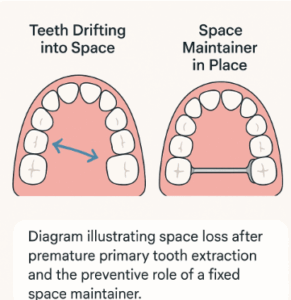
The impact of prematurely losing a primary tooth extends far beyond a simple gap in a child’s smile. Primary teeth serve as natural placeholders, maintaining the necessary arch length and width for their permanent counterparts. When a primary tooth is lost too soon, the adjacent teeth, lacking the support and guidance of the lost tooth, often begin to drift or tip into the empty space. This unauthorized migration can significantly reduce or even completely close the space intended for the unerupted permanent tooth. The consequences are multifaceted and often lead to complex and costly orthodontic interventions later in life. Imagine a meticulously planned construction site where a vital support beam is removed ahead of schedule; the surrounding structures would inevitably shift, leading to instability and a need for extensive rework. Similarly, in the mouth, this space loss can result in crowding, impaction of permanent teeth (where they get stuck and cannot erupt), or even the eruption of permanent teeth in highly unfavorable positions, leading to malocclusion and functional difficulties.
The Genesis of a Problem: Why Primary Teeth Matter More Than You Think
Many parents might inadvertently underestimate the importance of primary teeth, viewing them as temporary structures that will eventually be replaced. However, primary teeth are essential for several critical functions beyond merely chewing food. They are fundamental for proper speech development, helping children articulate sounds clearly. They contribute significantly to a child’s aesthetics and self-esteem, influencing their social interactions and confidence. Most importantly, they act as vital guides for the eruption path of the permanent teeth. Each primary tooth essentially “holds a spot” for its corresponding permanent tooth. Their roots also play a role in stimulating the development of the jawbones. When a primary molar, especially a second primary molar, is lost prematurely due to decay, trauma, or congenital absence, the potential for significant space loss is high. This is because the first permanent molar, which erupts around age six, often erupts directly behind the second primary molar and can drift forward into the space if it’s not maintained, effectively “stealing” the space intended for the permanent premolars that erupt later. This understanding underscores the critical preventative role that fixed space maintainers like those covered by D1550 play in the broader scheme of a child’s dental development.
D1550 Defined: Deconstructing the Fixed Band and Loop Space Maintainer
In the lexicon of dental procedures, D1550 specifically refers to a “Space Maintainer – Fixed – Band and Loop.” This particular code identifies a highly effective and commonly used appliance designed to prevent space loss when a primary tooth, typically a molar, is lost prematurely. Unlike removable space maintainers, which can be taken out by the child, fixed appliances are cemented onto the adjacent teeth, providing constant and reliable space preservation. The band and loop design is a classic example of this fixed approach, offering a sturdy and relatively unobtrusive solution for maintaining arch integrity. Its widespread use is a testament to its effectiveness in ensuring the healthy eruption of permanent teeth and mitigating the need for more extensive orthodontic treatment in the future.
Anatomy of a Guardian: Components of the Band and Loop
The fixed band and loop space maintainer, as its name suggests, comprises two primary components: a metal band and a wire loop. The metal band is typically made of stainless steel and is custom-fitted around the tooth immediately adjacent to the space where the primary tooth was lost. This tooth, often a primary molar or a permanent first molar that has already erupted, serves as the anchor for the appliance. The band is meticulously contoured to fit snugly around the tooth’s circumference, ensuring stability and preventing food impaction. Cementation of this band to the anchor tooth is crucial for the appliance’s fixed nature. The wire loop is usually made of a strong, durable stainless steel wire. One end of the loop is soldered or welded to the band, extending across the edentulous (toothless) space and gently resting against the tooth on the opposite side of the gap. The crucial function of this loop is to physically block the adjacent teeth from moving into the empty space, thereby preserving the exact dimensions required for the future permanent tooth to erupt without obstruction. The design ensures that while the space is maintained, it does not interfere with the natural eruption path of the underlying permanent tooth.
The Art of Application: How a Fixed Space Maintainer is Placed
The placement of a D1550 space maintainer is a precise procedure typically performed by a pediatric dentist or a general dentist with experience in pediatric cases. The process usually begins with taking an impression of the child’s dental arch. This impression, a detailed mold of the teeth and gums, is sent to a dental laboratory where the custom band and loop appliance is fabricated. This customization ensures a perfect fit, which is paramount for both efficacy and patient comfort. Once the appliance is ready, the child returns for the placement appointment. The anchor tooth is meticulously cleaned and prepared. The metal band is then carefully tried on the tooth to ensure a precise fit, and any necessary adjustments are made. Once the fit is confirmed, the band is cemented securely onto the anchor tooth using a strong dental cement. The wire loop is then checked to ensure it extends across the space correctly and does not impinge on the gum tissue or interfere with the opposing bite. The entire process is generally well-tolerated by children, and proper isolation and attention to detail during cementation are key to a long-lasting and effective appliance.
Why D1550 Matters: Indications and Clinical Scenarios for Fixed Space Maintainers
The decision to place a fixed space maintainer (D1550) is a clinical one, made by a dental professional after a thorough examination of the child’s oral development, dental history, and radiographic analysis. The primary indication for this appliance is the premature loss of a primary tooth, particularly a primary molar, before its permanent successor is ready to erupt. However, the precise timing and type of space maintainer chosen depend on various factors, including the child’s age, the specific tooth lost, the amount of bone covering the unerupted permanent tooth, and the overall dental development. The goal is always to prevent problems rather than to correct them later, making D1550 a key tool in preventive pediatric dentistry.
The Early Exit: When Primary Molars Depart Prematurely
The most common scenario requiring a fixed space maintainer arises from the premature loss of primary molars. These teeth are critical for chewing and are responsible for holding significant arch space. If a primary first or second molar is extracted due to extensive decay, infection, or trauma, and the corresponding permanent premolar is still years away from eruption, a D1550 appliance becomes indispensable. For instance, if a second primary molar is lost, the erupting first permanent molar (the “six-year molar”) can easily drift forward into the empty space, severely reducing the available room for the second premolar. Similarly, if a first primary molar is lost, the permanent canine and premolars may shift, leading to crowding. The fixed band and loop maintainer effectively barricades this encroachment, ensuring that the designated space for the future permanent tooth remains open and accessible.
Trauma and Development: Other Triggers for Space Maintenance
While caries (decay) is the leading cause of premature primary tooth loss, trauma is another significant factor. A fall or impact that results in the avulsion (complete dislodgement) or severe damage requiring extraction of a primary tooth often necessitates space maintenance. In some cases, a child may be born with a congenital absence of a permanent tooth (hypodontia), and while the primary tooth may remain longer, its premature loss or removal might still warrant space maintenance to preserve arch integrity for future prosthetic replacement or orthodontic space management. Furthermore, certain developmental anomalies or syndromes can affect tooth eruption patterns, potentially leading to situations where space maintainers are indicated to guide proper dental alignment.
Preventing the Cascade: Long-Term Benefits of Preserving Arch Length
The immediate benefit of D1550 is the preservation of space, but the long-term ramifications are far more profound. By preventing the shifting of adjacent teeth and the consequent loss of arch length, fixed space maintainers significantly reduce the likelihood of future orthodontic problems such as crowding, impaction of permanent teeth, and malocclusion (improper bite). Without intervention, these issues often require extensive and costly orthodontic treatment, including braces, expanders, or even extractions of permanent teeth to create necessary space. A relatively simple and cost-effective space maintainer can thus avert years of orthodontic treatment, discomfort, and financial burden. It’s an investment in a child’s healthy and aesthetically pleasing smile, ensuring that the natural eruption sequence of permanent teeth is respected and facilitated.
Table 1: Common Indications for D1550 Fixed Band and Loop Space Maintainer
| Indication Category | Description Space Maintainers (D1550) and Preventing Orthodontic Issues: A Comprehensive Guide
The phrase “an ounce of prevention is worth a pound of cure” holds true in many aspects of health, and perhaps nowhere is it more applicable than in the realm of pediatric dentistry. While the loss of “baby teeth” (primary teeth) is a natural part of a child’s development, their premature loss can have significant and long-lasting consequences for the alignment of permanent teeth. This is where the fixed space maintainer, specifically the band and loop type often identified by the dental code D1550, plays a critical and often understated role. These small, custom-made appliances are silent guardians, diligently preserving the crucial space needed for permanent teeth to erupt correctly, thereby preventing a cascade of orthodontic problems that might otherwise require extensive and costly treatment in adolescence or adulthood. Understanding the necessity, function, and care of these devices is paramount for parents seeking to ensure their child’s optimal oral health trajectory.
The Genesis of Malocclusion: Why Primary Teeth Are More Than Just “Temporary”
Many people, including some parents, tend to view primary teeth as transient structures, their eventual loss diminishing their importance. However, this perspective overlooks their profound significance in a child’s developing oral and facial complex. Primary teeth are not just placeholders for permanent teeth; they are integral to several crucial functions. They are essential for a child’s ability to chew and digest food effectively, contributing to proper nutrition. They play a vital role in speech development, helping children articulate sounds clearly and preventing speech impediments. Furthermore, the presence of a full set of primary teeth contributes to a child’s self-esteem and social confidence, as they navigate their early years.
Most importantly, primary teeth act as natural guides and maintainers of arch length. Each primary tooth, particularly the molars, “reserves” a specific amount of space within the jawbone for its succedaneous (succeeding) permanent tooth. The roots of primary teeth also contribute to the development and growth of the jawbones. When a primary tooth is lost prematurely, before its permanent successor is ready to erupt, this natural guidance system is disrupted. The teeth adjacent to the newly created gap, lacking the interproximal contact and support of the lost tooth, tend to drift, tip, or migrate into the open space. This unauthorized movement effectively reduces or completely closes the space intended for the permanent tooth, setting the stage for future orthodontic challenges.
Consider the analogy of a carefully laid out urban plan where specific plots are designated for future buildings. If a plot is prematurely vacated, and the surrounding structures are allowed to encroach upon it, the intended building will either have no place to be built or will be forced into an undesirable, cramped position. Similarly, in the dental arch, this space loss can lead to a host of problems: permanent teeth may erupt in crowded or rotated positions, become impacted (unable to erupt fully), or erupt far out of the arch, leading to significant malocclusion. This understanding underscores the critical preventive role that fixed space maintainers, represented by dental code D1550, play in ensuring the harmonious eruption of permanent teeth and mitigating the need for more complex orthodontic interventions later in life.
(Image suggestion: A simplified diagram showing a dental arch, highlighting the positions of primary and permanent molars. One image could show the natural eruption path, and another could illustrate drifting teeth after premature primary tooth loss.) Alt-text: Illustration demonstrating the importance of primary teeth as space holders for erupting permanent teeth.
D1550 Demystified: The Fixed Band and Loop Space Maintainer
The dental code D1550 specifically denotes a “Space Maintainer – Fixed – Band and Loop.” This particular appliance is among the most widely used and effective methods for preserving space in the dental arch following the premature loss of a primary tooth. Its “fixed” nature means it is cemented onto the adjacent teeth and cannot be removed by the child, ensuring continuous and reliable space preservation. The “band and loop” design is a robust and time-tested approach, providing a sturdy and generally well-tolerated solution to a common pediatric dental problem.
The Architecture of Protection: Components of the Band and Loop
At its core, the fixed band and loop space maintainer is composed of two primary elements: a metal band and a wire loop.
-
The Metal Band: This component is typically fabricated from high-grade stainless steel, renowned for its durability and biocompatibility. The band is meticulously custom-fitted around the circumference of the tooth immediately adjacent to the space where the primary tooth was lost. This anchor tooth, often a primary molar or a newly erupted permanent first molar, provides the crucial support for the entire appliance. The band is contoured to fit snugly and precisely, minimizing areas where food debris could accumulate and ensuring stability. Once fitted, this band is cemented onto the anchor tooth using a strong dental adhesive, effectively making it a fixed part of the child’s oral environment.
-
The Wire Loop: Extending from the metal band is a precisely shaped wire loop, also typically made of durable stainless steel. One end of this loop is securely soldered or welded to the band, and the loop itself extends across the edentulous (toothless) space, gently resting against the tooth on the opposite side of the gap. The critical function of this loop is to physically obstruct the adjacent teeth from drifting or tipping into the empty space. The loop’s design is carefully calibrated to ensure it maintains the exact mesiodistal (front-to-back) dimension required for the unerupted permanent tooth to erupt unimpeded. It is designed not to interfere with the natural eruption path of the underlying permanent tooth but rather to guide it into its rightful position by holding the necessary space open.
The Clinical Canvas: Placement of a Fixed Space Maintainer
The placement of a D1550 space maintainer is a clinical procedure that requires precision and expertise, typically performed by a pediatric dentist or a general dentist with a focus on pediatric care. The process generally involves a few key steps:
-
Initial Assessment and Impression Taking: After a thorough clinical examination and radiographic analysis to confirm the need for a space maintainer and to assess the stage of permanent tooth development, an impression (a detailed mold) of the child’s dental arch is taken. This impression captures the exact contours of the teeth and the space to be maintained.
-
Laboratory Fabrication: The impression is then sent to a specialized dental laboratory, where skilled technicians custom-fabricate the band and loop appliance. This customization is critical to ensure a precise fit, which is paramount for both the effectiveness and the comfort of the child.
-
Appliance Placement: Once the custom appliance is ready, the child returns for the placement appointment. The anchor tooth is thoroughly cleaned and isolated to ensure optimal bonding conditions. The metal band is carefully tried on the tooth to verify its precise fit and any minor adjustments are made chairside. Once the fit is confirmed, the band is securely cemented onto the anchor tooth using a durable dental cement. The wire loop is then meticulously checked to ensure it extends across the space correctly, without impinging on the gum tissue or interfering with the child’s bite. The entire procedure is generally well-tolerated, and dentists often employ techniques to make the experience comfortable for young patients.
(Image suggestion: A simple diagram or photograph of a fixed band and loop space maintainer on a model or in a mouth, clearly labeling the “band” and the “loop.”) Alt-text: Diagram showing the components of a D1550 fixed band and loop space maintainer.
When and Why D1550: Indications and Clinical Rationale
The decision to utilize a D1550 fixed space maintainer is a deliberate clinical judgment made by a dental professional based on a comprehensive evaluation of the child’s individual circumstances. This evaluation includes a thorough clinical examination, assessment of the child’s dental and medical history, and critical analysis of radiographs (X-rays) to ascertain the stage of permanent tooth development and the presence of any underlying issues. The overarching goal is always proactive prevention – to avert predictable future orthodontic complications rather than to address them once they have fully manifested.
The Early Exit: Primary Molar Loss
The most frequent and compelling indication for a fixed space maintainer arises from the premature loss of primary molars. These teeth are undeniably crucial; they bear the brunt of mastication (chewing) and, perhaps more significantly, are responsible for maintaining a substantial amount of space within the dental arch for their permanent successors. If a primary first or second molar is extracted due to extensive dental decay, irreversible infection, or traumatic injury, and the corresponding permanent premolar is still many months or even years away from its natural eruption, a D1550 appliance becomes a vital intervention.
Consider the scenario where a child loses a second primary molar (the one closer to the back of the mouth). Around the age of six, the first permanent molar (often called the “six-year molar”) typically erupts directly behind this primary tooth. If the second primary molar is lost prematurely, the erupting first permanent molar can, and often will, drift forward into the newly created void. This forward migration significantly diminishes or even completely obliterates the space specifically designated for the second permanent premolar, which typically erupts much later. Similarly, if a first primary molar is lost, the permanent canine and first premolar, influenced by forces from chewing and adjacent teeth, can shift, leading to a reduction in the available space for the erupting second permanent premolar. The fixed band and loop maintainer acts as an immovable barrier, diligently preventing this unwanted tooth movement and guaranteeing that the precise dimensions required for the future permanent tooth are preserved.
Beyond Decay: Trauma, Congenital Issues, and Development
While rampant dental caries (tooth decay) remains the primary catalyst for premature primary tooth loss, other factors also frequently necessitate space maintenance. Traumatic injuries, such as falls or direct impacts, can result in the avulsion (complete removal) or severe damage to a primary tooth, necessitating its extraction. In such instances, a D1550 maintainer is crucial to prevent subsequent space loss.
Less commonly, some children are born with a congenital absence of one or more permanent teeth (a condition known as hypodontia). While the primary tooth may persist longer in such cases, its eventual loss or removal might still warrant space management to maintain arch integrity for future prosthetic solutions (like a bridge or implant) or to facilitate specific orthodontic treatment plans. Furthermore, certain developmental anomalies or systemic conditions can influence tooth eruption patterns, potentially leading to situations where proactive space maintenance, including the use of a D1550, is indicated to guide and facilitate proper dental alignment and prevent complex malocclusions from forming.
The Long Game: Preventing Orthodontic Problems and Costly Cures
The immediate, tangible benefit of placing a D1550 space maintainer is the prevention of space loss. However, the true value and long-term ramifications of this seemingly simple device are far more profound. By precluding the unwanted shifting of adjacent teeth and the consequent reduction of arch length, fixed space maintainers dramatically decrease the likelihood of a myriad of future orthodontic problems. These issues often include severe crowding of permanent teeth, impaction (where permanent teeth are trapped within the jawbone and cannot erupt), or the eruption of permanent teeth into highly unfavorable or ectopic positions, leading to significant malocclusion (an improper bite).
Without this timely intervention, these complex orthodontic issues often necessitate extensive, prolonged, and financially demanding orthodontic treatment in later childhood or adolescence. This treatment typically involves the prolonged use of braces, palatal expanders, or even the extraction of otherwise healthy permanent teeth solely to create necessary space. A relatively straightforward and cost-effective space maintainer, therefore, serves as a powerful preventative measure, potentially averting years of orthodontic appliances, associated discomfort, and substantial financial expenditure. It represents a prudent investment in a child’s lifelong oral health, ensuring a healthy, functional, and aesthetically pleasing smile by respecting and facilitating the natural eruption sequence of their permanent dentition.
The Journey with D1550: What Parents and Patients Need to Know
Once a D1550 fixed band and loop space maintainer is placed, its success hinges not only on the dentist’s skill but also significantly on the cooperation and commitment of the child and their parents/caregivers. Proper care and vigilance are essential to ensure the appliance functions effectively, maintains its integrity, and contributes positively to the child’s developing dentition.
Preparation is Key: Before the Space Maintainer
Before the space maintainer is placed, parents should have a clear understanding of why it’s needed and what to expect. The dentist will explain the procedure, its benefits, and potential challenges. Ensuring the child is well-rested and has eaten prior to the appointment can help make the experience smoother. Discussing the upcoming procedure in a positive and reassuring manner can also alleviate any anxiety the child might have. It’s important to emphasize that the maintainer is a protective device that will help their new teeth grow in straight.
Life with a Guardian: Oral Hygiene and Dietary Considerations
Living with a fixed space maintainer requires diligent oral hygiene. Food particles can easily get trapped around the band and loop, leading to plaque accumulation and an increased risk of cavities on the anchor tooth, or gum inflammation. Parents and children must commit to:
- Thorough Brushing: Brushing around the space maintainer, especially where the band meets the tooth and along the wire, is crucial. A soft-bristled toothbrush should be used, and the child should be encouraged to spend extra time cleaning these areas.
- Flossing (with caution): While traditional flossing can be tricky around a fixed appliance, the dentist may recommend specific techniques or tools, such as floss threaders or water flossers, to clean under the wire loop and between the anchor tooth and adjacent teeth.
- Dietary Modifications: Certain foods can damage or dislodge the space maintainer. Sticky candies (caramels, taffy), hard candies, chewing gum, and very crunchy foods (popcorn, hard pretzels) should be avoided. These can pull on the band, bend the wire, or get stuck and cause irritation. Cutting food into smaller pieces can also help prevent damage.
- Regular Rinsing: Rinsing the mouth with water after meals can help dislodge food particles. An antimicrobial mouthrinse may be recommended by the dentist for older children, but always under professional guidance.
Regular Check-ups: Ensuring the Device’s Efficacy and Patient Comfort
Regular dental check-ups are non-negotiable when a child has a space maintainer. These appointments allow the dentist to:
- Monitor the Appliance: The dentist will check the integrity of the band and loop, ensuring it is securely cemented, not loose, bent, or broken.
- Assess Eruption: Radiographs may be taken periodically to monitor the eruption progress of the unerupted permanent tooth. The dentist will ensure that the permanent tooth is developing correctly and that the maintainer is not impeding its path.
- Evaluate Oral Hygiene: The dentist and hygienist will assess the child’s oral hygiene around the appliance and provide additional instruction or motivation if needed.
- Address Discomfort or Complications: Any signs of gum irritation, swelling, or discomfort reported by the child can be addressed promptly.
The Grand Finale: When is the Space Maintainer Removed?
The fixed space maintainer is a temporary appliance, serving its purpose until the permanent tooth it is holding space for begins to erupt or is ready to erupt. The dentist will monitor the child’s dental development closely. Once the permanent tooth is visible in the mouth, or when radiographs indicate it is imminent and in the correct position, the space maintainer will be removed. The removal process is generally quick and straightforward, typically involving gently loosening the band from the anchor tooth. It’s a moment of success, signifying that the maintainer has successfully fulfilled its protective role and paved the way for a healthy permanent dentition.
Alternative Approaches and Considerations: A Comparative Glance
While the D1550 fixed band and loop space maintainer is a highly effective and commonly used appliance, it’s not the only option for managing space in a child’s developing dentition. The choice of appliance depends on various factors, including the specific tooth lost, the amount of space to be maintained, the child’s cooperation level, and the overall clinical situation. Understanding these alternatives provides a broader perspective on space management in pediatric dentistry.
Removable Space Maintainers: When Less is More (or More is Required)
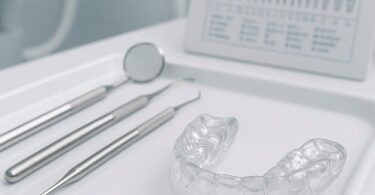
Unlike fixed appliances, removable space maintainers can be taken in and out of the mouth by the child. These often resemble a clear retainer or a small partial denture with an acrylic base and wires that hold the space.
- Advantages: Easier to clean, can be removed for eating (reducing dietary restrictions), and can sometimes incorporate artificial teeth for aesthetics if multiple anterior teeth are lost.
- Disadvantages: Require significant patient cooperation to wear consistently, can be easily lost or broken, and may not be suitable for very young or uncooperative children. Their effectiveness relies entirely on compliance. They are generally indicated when the primary teeth are lost in the front of the mouth or if multiple teeth are lost.
Distal Shoe Appliance: A Specialized Solution
The distal shoe appliance is a more specialized type of fixed space maintainer, often used in a very specific scenario: when the second primary molar is lost before the eruption of the first permanent molar. This is a critical period because the first permanent molar, upon eruption, tends to drift forward significantly if not properly guided.
- Unique Feature: Unlike the band and loop, which rests on the tooth adjacent to the space, the distal shoe has a metal extension (the “shoe”) that is inserted into the gum tissue to guide the erupting permanent molar into its correct position.
- Complexity: Its placement is more invasive as it requires surgical insertion into the gum. It’s used only when absolutely necessary due to the potential for complications like impaction or irritation. It is often fabricated by an orthodontist.
Orthodontic Implications: Planning for the Future
Sometimes, even with meticulous space maintenance, a child may still require some form of orthodontic treatment later on. However, the presence of a space maintainer often significantly reduces the complexity and duration of such treatment. In cases where space loss has already occurred, or if there are other underlying skeletal or dental discrepancies, the space maintainer might be used as an interim measure. Orthodontists often work in conjunction with pediatric dentists to develop a comprehensive treatment plan that may include space maintenance as an initial phase, followed by comprehensive orthodontics to correct any remaining alignment or bite issues. The ultimate goal is always to achieve a stable, functional, and aesthetically pleasing occlusion.
Navigating the Nuances: Challenges and Potential Complications
While D1550 fixed space maintainers are generally safe and effective, as with any dental appliance, there are potential challenges and complications that parents should be aware of. Prompt recognition and communication with the dentist are key to addressing these issues effectively and ensuring the continued success of the appliance.
Breakage and Dislodgement: What to Do
The most common complications associated with fixed space maintainers are breakage or dislodgement.
- Causes: These can occur due to chewing on hard or sticky foods, biting on non-food objects (like pens), direct trauma, or sometimes simply due to wear and tear over time.
- Action: If the space maintainer becomes loose, bent, or completely dislodged, it is crucial to contact the dentist immediately. A loose band can allow the anchor tooth to decay underneath or can cause irritation to the gums. A bent or dislodged loop means the appliance is no longer effectively maintaining space, and rapid tooth movement can occur. Keep the dislodged appliance and bring it to the dental office. Timely re-cementation or repair is essential to prevent space loss.
Soft Tissue Irritation: Addressing Discomfort
Occasionally, the wire loop or the edge of the band can irritate the surrounding gum tissue, leading to redness, swelling, or discomfort.
- Causes: This can be due to minor imperfections in the appliance’s fit, changes in gum tissue during eruption, or food impaction.
- Action: Encourage diligent oral hygiene around the irritated area. Warm salt water rinses can help soothe the gums. If the irritation persists, worsens, or is accompanied by significant pain or swelling, contact the dentist. Minor adjustments to the appliance may be necessary to alleviate the pressure.
Oral Hygiene Hurdles: Preventing Plaque Accumulation
As noted, fixed space maintainers can create areas where food and plaque can accumulate, making oral hygiene more challenging.
- Risk: If not meticulously cleaned, this can lead to decalcification (early signs of cavities) or actual caries on the anchor tooth, gum inflammation (gingivitis), or even localized periodontal issues.
- Prevention: This highlights the absolute necessity of rigorous oral hygiene practices and adherence to dietary recommendations. Regular professional cleanings are also vital to remove any stubborn plaque or calculus that accumulates around the appliance.
The Financial Framework: Understanding D1550 and Dental Insurance
Understanding the financial aspects of dental care, particularly for children, can be a complex endeavor. The dental code D1550 provides a standardized reference for the fixed band and loop space maintainer, which helps in communicating with dental insurance providers. While coverage varies significantly, understanding how these appliances are typically categorized can help parents navigate their benefits.
Decoding Your Benefits: Coverage for Space Maintainers
Most dental insurance plans, especially those designed for pediatric care, recognize the preventive nature and long-term cost-saving potential of space maintainers. As such, D1550 is often covered under a plan’s “preventive” or “minor orthodontic” benefits. However, the extent of coverage can differ:
- Percentage Coverage: Plans may cover a certain percentage of the cost (e.g., 50% or 80%) after a deductible is met.
- Limitations: Some plans may have age limitations for coverage or specific criteria that must be met (e.g., proof of premature tooth loss with radiographs).
- Waiting Periods: New plans might have waiting periods before certain procedures, including space maintainers, are covered.
- Predetermination of Benefits: It is always highly recommended for parents to request a “predetermination of benefits” from their dental insurance company before the appliance is fabricated. This involves submitting the proposed treatment plan (including the D1550 code) to the insurer to get a clear estimate of what the plan will cover, preventing unexpected out-of-pocket expenses.
The Value Proposition: Investing in Future Oral Health
While there is an upfront cost associated with a D1550 space maintainer, it is crucial to view this as an investment in a child’s future oral health. The cost of a space maintainer is typically a fraction of the cost of comprehensive orthodontic treatment that might be required if space is lost and teeth become severely crowded or impacted.
- Avoidance of Complex Orthodontics: By preserving space, the space maintainer can often prevent the need for years of braces, tooth extractions for crowding, or more complex surgical interventions for impacted teeth.
- Reduced Discomfort and Time: Proactive space maintenance means less discomfort for the child over time and fewer dental appointments in the long run.
- Improved Long-Term Oral Health: A properly aligned dentition is easier to clean, reduces the risk of gum disease and cavities, and contributes to better chewing function and overall oral health throughout life.
Therefore, while the immediate expense of a D1550 appliance needs to be considered, the long-term benefits in terms of preventing future problems, reducing more significant financial outlays, and ensuring a healthier smile for the child often far outweigh the initial investment.
Conclusion: A Small Device, A Big Impact
The fixed band and loop space maintainer, denoted by the dental code D1550, is a small yet incredibly impactful device in the world of pediatric dentistry. By diligently preserving critical space following the premature loss of primary teeth, it acts as a silent guardian, preventing a cascade of orthodontic problems. This proactive intervention often spares children from years of complex orthodontic treatment and significant financial burdens, underscoring its profound value as an investment in a child’s lifelong oral health and a confident smile.
Frequently Asked Questions (FAQs)
Q1: What exactly is a D1550 space maintainer? A1: A D1550 space maintainer is a fixed dental appliance, specifically a band and loop type, used to hold open the space created by the premature loss of a primary (baby) tooth, typically a molar. It prevents adjacent teeth from drifting into this space, ensuring enough room for the permanent tooth to erupt correctly.
Q2: How long does a child need to wear a space maintainer? A2: The duration varies depending on the child’s individual dental development and the eruption timeline of the permanent tooth. It is typically worn until the permanent tooth begins to emerge into the mouth or is ready to erupt, which can range from a few months to several years. Your dentist will monitor this closely.
Q3: Is the placement of a space maintainer painful for my child? A3: The procedure is generally not painful. It involves taking an impression, and then later, cementing a custom-made metal band onto a tooth and positioning a wire loop across the gap. Local anesthetic may be used for comfort, but often isn’t necessary. Children usually tolerate it very well.
Q4: What foods should my child avoid with a space maintainer? A4: Your child should avoid sticky candies (like caramels, taffy, gum), hard candies, and very crunchy foods (popcorn, hard pretzels) that can stick to, bend, or dislodge the appliance. Cutting food into smaller pieces is also recommended.
Q5: How do we clean around a space maintainer? A5: Meticulous oral hygiene is essential. Your child should brush carefully around the band and loop, spending extra time in these areas. Your dentist may recommend using floss threaders or a water flosser to clean under the wire loop and between the anchor tooth and adjacent teeth. Regular dental check-ups and cleanings are also crucial.
Q6: What happens if the space maintainer comes loose or breaks? A6: Contact your pediatric dentist immediately if the space maintainer becomes loose, bent, or dislodged. If left unaddressed, the space can close quickly, negating the purpose of the appliance. Keep the dislodged appliance and bring it to your dental appointment.
Q7: Will my child still need braces if they have a space maintainer? A7: A space maintainer significantly reduces the likelihood and severity of future orthodontic problems. While it cannot prevent all orthodontic issues (which can stem from jaw growth, genetics, or other factors), it often helps to simplify or shorten the duration of any necessary orthodontic treatment later on.