Dental codes are vital in ensuring seamless communication between dental professionals and insurance providers. Among these, the D1557 dental code plays a critical role in pediatric and preventive dentistry. In this comprehensive guide, we explore the meaning, usage, and implications of the D1557 code, ensuring both patients and professionals have a solid understanding of its importance.
2. What is the D1557 Dental Code?
The D1557 dental code is officially defined by the American Dental Association (ADA) under the Current Dental Terminology (CDT) coding system. This specific code refers to the “Space maintainer – fixed – bilateral.” It is used to indicate a procedure where a bilateral (both sides) fixed space maintainer is installed to preserve the gap left by prematurely lost primary teeth in a child’s mouth.
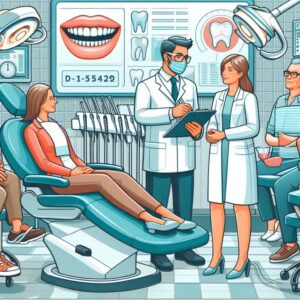
D1557 Dental Cod
3. Purpose and Use of D1557 in Dental Practices
The D1557 code is commonly used in pediatric dentistry when children lose baby teeth earlier than expected. The premature loss of a primary tooth can lead to adjacent teeth shifting into the empty space, which may cause problems when permanent teeth begin to erupt. Space maintainers are essential devices that preserve these gaps until the adult teeth are ready to emerge.
Dentists use this code specifically when the device spans both sides of the dental arch, typically in the upper or lower jaw, and is fixed in place, meaning it is not removable by the patient.
4. Importance of Space Maintainers in Pediatric Dentistry
Space maintainers are critical in guiding proper dental development in children. They help:
- Prevent misalignment of incoming permanent teeth
- Reduce the need for future orthodontic treatment
- Promote proper speech development
- Maintain the structure and function of the dental arch
Without these devices, children may face long-term complications, including impacted or crooked adult teeth, which can lead to extensive corrective treatment in the future.
5. Types of Space Maintainers Covered by D1557
The D1557 code specifically refers to fixed bilateral space maintainers. Here are the most common types:
- Lingual Arch: Attached to molars and rests behind the lower front teeth.
- Nance Appliance: Used on the upper jaw with an acrylic button on the palate.
- Transpalatal Arch (TPA): Connects the two upper molars across the roof of the mouth.
These appliances are custom-made for each child and require periodic monitoring and adjustments.
6. How D1557 Compares to Similar Dental Codes
| Code | Description | Usage |
|---|---|---|
| D1555 | Removal of fixed space maintainer | Used when the appliance is taken out |
| D1556 | Recementation of space maintainer | When the space maintainer becomes loose and needs reattachment |
| D1557 | Fixed bilateral space maintainer | For installation of a bilateral fixed device |
| D1558 | Fixed unilateral space maintainer | For single-sided fixed space maintainer |
| D1510 | Space maintainer – fixed – unilateral | Legacy code sometimes used for unilateral maintainers |
Understanding the distinctions between these codes ensures accurate treatment documentation and billing.
7. When and Why Dentists Use D1557
Dentists recommend D1557-coded treatment when a child loses two or more primary teeth prematurely on both sides of the jaw. The fixed bilateral space maintainer helps maintain the symmetry of the dental arch and prevents future crowding. The timing of this treatment is crucial — the earlier the intervention after tooth loss, the better the outcome.
8. Insurance and Billing Implications
The D1557 code is typically covered by most dental insurance plans that include pediatric benefits. However, the specifics of coverage can vary. Parents should:
- Consult with their dental provider and insurer before treatment
- Request a pre-treatment estimate or predetermination
- Confirm if the appliance and follow-up visits are included in the cost
Using the proper CDT code like D1557 helps prevent claim denials and ensures that insurance claims are processed efficiently.
9. Common Questions About D1557
- How long does a space maintainer stay in place? Typically, it remains until the permanent teeth are ready to erupt — usually several months to a few years.
- Is the procedure painful? No, installing a space maintainer is non-invasive and does not typically require anesthesia.
- Can my child eat normally with it? Most children adapt quickly. However, sticky or hard foods should be avoided.
10. Conclusion
The D1557 dental code is an essential tool in preventive pediatric dentistry. It ensures children maintain proper dental spacing after premature tooth loss, helping avoid more complicated treatments later in life. Understanding its usage and implications is key for both dental professionals and parents.
11. Frequently Asked Questions (FAQs)
Q1: Is D1557 only used for children?
Yes, it is primarily a pediatric treatment code.
Q2: Can a general dentist use this code, or only pediatric specialists?
General dentists can use this code if they provide pediatric care.
Q3: What happens if the space maintainer breaks?
If broken, dentists may need to recement it (D1556) or replace it.
Q4: Does insurance usually cover follow-up visits?
Some insurance plans include follow-up care, but always confirm with your provider.
Q5: What materials are space maintainers made from?
They are typically made from stainless steel, acrylic, or a combination of both.
12. Additional Resources
- American Dental Association CDT Code Guide: www.ada.org
- Pediatric Dentistry Guidelines – American Academy of Pediatric Dentistry: www.aapd.org