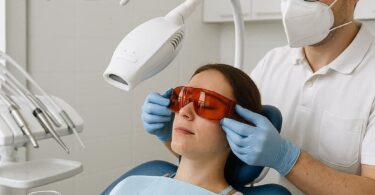
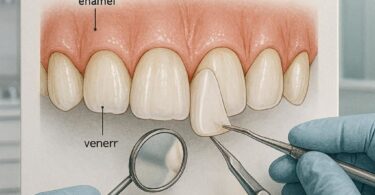
Tooth decay remains one of the most common chronic diseases among children, yet it is largely preventable. One of the most effective preventive measures in modern dentistry is fluoride treatment, coded under D1206 in the American Dental Association’s (ADA) Current Dental Terminology (CDT).
This comprehensive guide explores everything parents and dental professionals need to know about D1206 fluoride treatments—how they work, their benefits, safety considerations, insurance coverage, and more. Whether you’re a concerned parent or a dental practitioner looking to educate patients, this article provides in-depth, evidence-based insights.
D1206 Dental Code
2. Understanding the D1206 Dental Code
The D1206 code refers to a topical fluoride varnish application administered by a dental professional. It is specifically categorized under preventive dental services and is most commonly recommended for children, though adults at high risk of cavities may also benefit.
Key Features of D1206:
-
Application Method: Painted onto teeth using a brush.
-
Fluoride Concentration: Typically contains 5% sodium fluoride (22,600 ppm fluoride).
-
Duration: Takes only minutes to apply and sets quickly.
-
Frequency: Recommended every 3–6 months, depending on cavity risk.
Comparison with Other Fluoride Codes
| Code | Description | Form | Common Use |
|---|---|---|---|
| D1206 | Topical fluoride varnish | Varnish (painted) | Children, high-risk pts |
| D1203 | Topical fluoride (excluding varnish) | Gel, foam | In-office treatments |
| D1208 | Topical fluoride for caries prevention | Any form | General prevention |
3. Why Fluoride Treatment is Essential for Children
Tooth decay affects more than 50% of children aged 6–8 and over 50% of adolescents (CDC). Fluoride strengthens enamel and reverses early decay through remineralization.
Key Benefits for Children:
✔ Reduces cavities by up to 40% (ADA)
✔ Safe and non-invasive
✔ Quick application (under 5 minutes)
✔ Works even with minimal patient cooperation
4. Types of Professional Fluoride Treatments
While D1206 refers to varnish, other professional fluoride treatments include:
-
Fluoride Gel (D1203): Applied via trays (higher fluoride concentration).
-
Fluoride Foam: Less common, used in special cases.
Fluoride varnish (D1206) is preferred for children because:
-
It adheres to teeth longer.
-
Minimal risk of ingestion.
-
No trays required (better for gag reflex).
5. How Fluoride Works to Prevent Tooth Decay
Fluoride operates through three key mechanisms:
-
Remineralization: Rebuilds weakened enamel.
-
Inhibits Bacterial Acid Production: Reduces plaque’s ability to produce decay-causing acids.
-
Strengthens Developing Teeth: Systemic benefit when consumed in water.
6. The Procedure: What to Expect During a D1206 Treatment
-
Cleaning: Teeth are dried (optional).
-
Application: Varnish is painted on using a small brush.
-
Setting: Hardens upon contact with saliva.
-
Post-Treatment Instructions: Avoid eating/drinking for 30 minutes.
7. Benefits of Fluoride Varnish vs. Other Fluoride Applications
| Feature | Fluoride Varnish (D1206) | Fluoride Gel (D1203) |
|---|---|---|
| Ease of Use | Quick, no trays needed | Requires trays |
| Safety | Low ingestion risk | Higher ingestion risk |
| Duration on Teeth | Longer adherence | Washes away faster |
| Taste | Mild, tolerable | Strong, sometimes unpleasant |
8. Insurance Coverage and Reimbursement for D1206
Most dental insurance plans (including Medicaid) cover two fluoride treatments per year for children under 18.
-
Medicaid: Covers D1206 in all 50 states.
-
Private Insurance: Typically covers 80–100%.
Tip: Always verify coverage with the insurer before the appointment.
9. Common Myths and Misconceptions About Fluoride
❌ Myth: Fluoride is toxic.
✅ Fact: In proper doses, fluoride is safe and effective.
❌ Myth: Fluoride causes fluorosis in all cases.
✅ Fact: Only excessive amounts during tooth development cause mild discoloration.
10. Safety and Potential Side Effects of Fluoride Treatments
-
Risks are minimal when applied professionally.
-
Possible mild side effects: Temporary tooth discoloration (rare).
-
Allergic reactions: Extremely uncommon.
11. Fluoride in Drinking Water vs. Professional Treatments
While community water fluoridation reduces cavities, professional treatments (D1206) provide:
✔ Higher fluoride concentration
✔ Direct application to teeth
✔ Better protection for high-risk patients
12. Parental Guidance: Preparing Your Child for a Fluoride Treatment
-
Explain the process in a positive way.
-
Bring a comfort item (stuffed animal, favorite toy).
-
Reward cooperation with a small, non-sugary treat.
13. Alternatives to Fluoride for Cavity Prevention
For parents seeking non-fluoride options:
-
Xylitol products (gums, wipes)
-
Calcium phosphate treatments (e.g., MI Paste)
-
Dietary modifications (low sugar, high calcium)
14. Frequently Asked Questions (FAQs)
Q1: At what age should children start fluoride treatments?
A: The AAPD recommends starting at tooth eruption (around 6 months).
Q2: Can adults get D1206 fluoride treatments?
A: Yes, especially if at high risk for cavities.
Q3: How often should my child get fluoride varnish?
A: Every 3–6 months, depending on cavity risk.
15. Conclusion
Fluoride varnish (D1206) is a safe, effective, and quick way to prevent cavities in children. Backed by decades of research, it remains a cornerstone of preventive dentistry. Parents should ensure their children receive regular fluoride treatments as part of a comprehensive oral health plan.