Dental billing relies on standardized codes to ensure accurate documentation, insurance claims, and patient records. Among these codes is D0999, an “unspecified adjunctive procedure” used when a performed service doesn’t fit into a predefined category.
This code is essential for dental professionals when documenting unique or rare treatments that lack a specific Current Dental Terminology (CDT) code. However, its vague nature can lead to billing disputes, making it crucial for dentists to understand its proper use.

D0999 Dental Code
2. Understanding the Purpose of D0999
D0999 serves as a catch-all code for procedures that don’t align with standard classifications. The American Dental Association (ADA) introduced it to accommodate:
-
Emerging dental technologies without an assigned code
-
Hybrid treatments combining multiple techniques
-
Uncommon or experimental procedures
Unlike specific codes (e.g., D1110 for prophylaxis), D0999 requires detailed documentation to justify its use.
3. When is D0999 Used in Dental Practices?
D0999 is typically applied in scenarios such as:
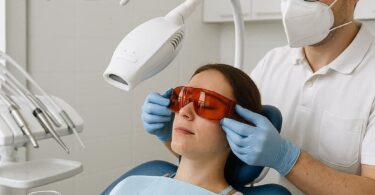
✅ Novel laser treatments not yet categorized
✅ Temporary or experimental procedures
✅ Multidisciplinary treatments (e.g., combined orthodontic-periodontic work)
✅ Unforeseen complications requiring undocumented steps
However, misuse can lead to claim denials, so dentists must provide thorough clinical notes.
4. Common Scenarios Requiring D0999
| Scenario | Why D0999 is Used |
|---|---|
| Laser-assisted gum therapy | No specific code exists |
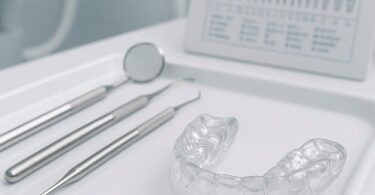
| Customized 3D-printed appliances | Emerging tech, unclassified |
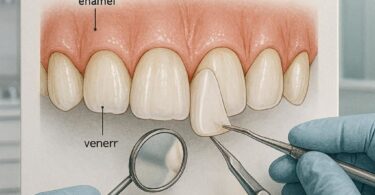
| Combined restorative & cosmetic work | Multiple steps, no single code |
5. How D0999 Differs from Other Dental Codes
Most CDT codes are procedure-specific (e.g., D2140 for amalgam fillings). D0999, however, is non-specific, requiring:
-
Extra documentation (narrative reports, images)
-
Prior authorization from insurers in some cases
-
Justification to prevent audits
6. Billing and Insurance Considerations
Insurance companies scrutinize D0999 claims due to its ambiguity. Key tips:
📌 Attach supporting documents (X-rays, photos)
📌 Use alternative codes if possible (e.g., D7999 for unspecified oral surgery)
📌 Verify payer policies—some insurers reject D0999 outright
7. Potential Challenges with D0999
-
Higher denial rates compared to defined codes
-
Time-consuming appeals for rejected claims
-
Risk of audits if overused
Solution: Maintain meticulous records and use D0999 sparingly.
8. Best Practices for Dentists
✔ Document extensively—describe why no other code fits
✔ Pre-authorize when possible
✔ Train staff on proper usage
9. Case Studies
Case 1: A patient required laser frenectomy before implants. Since no code existed, D0999 was used with pre-approval.
Case 2: A custom night guard with added sensors (for TMJ monitoring) was billed under D0999 with detailed notes.
10. Future of Unspecified Dental Codes
As dentistry evolves, more procedures may fall under D0999 until new codes are introduced. The ADA updates the CDT annually, so staying informed is key.
11. Conclusion
D0999 is a vital yet complex dental code for undocumented procedures. Proper documentation, insurer communication, and cautious use ensure smooth billing. As dental innovations grow, this code will remain essential for bridging gaps in classification.
12. FAQs
Q1: Can D0999 be used for cosmetic procedures?
A: Only if no other code applies, and documentation supports medical necessity.
Q2: How often do insurers reject D0999 claims?
A: Rejection rates vary, but thorough notes reduce denials.
Q3: Are there alternatives to D0999?
A: Some insurers accept “by report” codes (e.g., D7999) instead.