Bacterial vaginosis (BV) is one of the most common vaginal infections affecting women of reproductive age. Characterized by an imbalance in vaginal microbiota, BV can lead to discomfort, unusual discharge, and an increased risk of sexually transmitted infections (STIs). Accurate diagnosis and proper ICD-10 coding are essential for effective treatment, billing, and statistical tracking in healthcare systems.
This comprehensive guide explores bacterial vaginosis in detail, covering its causes, symptoms, diagnostic methods, and treatment options. Additionally, we provide an in-depth look at the ICD-10 code for bacterial vaginosis (N76.0), coding guidelines, and related clinical considerations. Whether you’re a healthcare provider, medical coder, or patient seeking information, this article offers valuable insights into BV and its management.
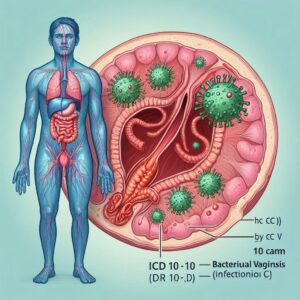
ICD-10 Code for Bacterial Vaginosis Infection
Understanding Bacterial Vaginosis (BV)
Definition and Overview
Bacterial vaginosis is a condition caused by an overgrowth of harmful bacteria (such as Gardnerella vaginalis) and a decrease in beneficial Lactobacillus species in the vagina. This imbalance leads to symptoms like thin grayish-white discharge, a fishy odor, and vaginal irritation.
Causes and Risk Factors
-
Sexual Activity: Frequent intercourse or new sexual partners can disrupt vaginal flora.
-
Douching: Washing the vagina with soap or cleansers can remove healthy bacteria.
-
Hormonal Changes: Pregnancy, menstruation, and menopause affect vaginal pH.
-
Intrauterine Devices (IUDs): Some studies link IUD use to BV.
Symptoms and Clinical Presentation
-
Fishy odor, especially after intercourse
-
Thin, grayish-white vaginal discharge
-
Itching or burning (though less common than in yeast infections)
-
Asymptomatic cases (up to 50% of women may have no symptoms)
Diagnosis of Bacterial Vaginosis
Clinical Examination
A healthcare provider may diagnose BV based on:
-
Amsel Criteria (at least 3 of 4 must be present):
-
Thin, homogeneous discharge
-
Vaginal pH > 4.5
-
Positive whiff test (fishy odor with KOH)
-
Clue cells on microscopy
-
Laboratory Tests
| Test | Purpose |
|---|---|
| pH Testing | Measures vaginal acidity (normal pH: 3.8–4.5) |
| Whiff Test | Detects fishy odor when KOH is added to discharge |
| Microscopy | Identifies clue cells (epithelial cells coated with bacteria) |
ICD-10 Coding for Bacterial Vaginosis
The ICD-10 code for bacterial vaginosis is N76.0 (Acute vaginitis). This code falls under the category of “Inflammatory diseases of vagina and vulva” (N76).
Related ICD-10 Codes
| Code | Description |
|---|---|
| N76.0 | Acute vaginitis (includes BV) |
| N76.1 | Subacute and chronic vaginitis |
| B96.89 | Other bacterial agents as the cause of diseases classified elsewhere |
Coding Tips:
-
Use N76.0 for confirmed cases of BV.
-
If BV is recurrent, document and code accordingly.
-
Avoid using unspecified codes when a definitive diagnosis exists.
Treatment and Management of BV
Antibiotic Therapy
-
Metronidazole (oral or vaginal gel)
-
Clindamycin (cream or suppositories)
-
Tinidazole (alternative oral treatment)
Probiotics and Prevention
-
Lactobacillus supplements may help restore balance.
-
Avoid douching and scented feminine products.
-
Use condoms to reduce BV recurrence.
Complications of Untreated BV
-
Increased risk of HIV, herpes, and chlamydia
-
Pelvic inflammatory disease (PID)
-
Preterm birth in pregnant women
Conclusion
Bacterial vaginosis is a common yet often overlooked vaginal infection requiring accurate diagnosis and proper ICD-10 coding (N76.0). Effective treatment includes antibiotics, probiotics, and preventive measures. Proper documentation ensures correct billing and improved patient outcomes.
FAQs
1. What is the ICD-10 code for bacterial vaginosis?
The ICD-10 code is N76.0 (Acute vaginitis).
2. Can bacterial vaginosis go away on its own?
Sometimes, but untreated BV can lead to complications. Treatment is recommended.
3. Is BV a sexually transmitted infection (STI)?
No, but sexual activity increases the risk of developing BV.
4. How can I prevent BV recurrence?
-
Avoid douching
-
Use condoms
-
Take probiotics