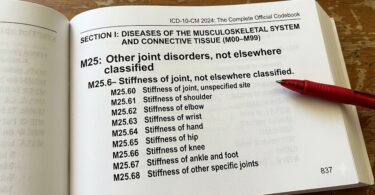
Influenza B is a significant respiratory illness that affects millions of people worldwide each year. Proper diagnosis and coding are essential for accurate medical billing, public health tracking, and effective treatment. The ICD-10 code for Influenza B positive is J10.1 (Influenza due to other identified influenza virus with other respiratory manifestations).
This comprehensive guide explores everything you need to know about Influenza B, from symptoms and diagnosis to the correct ICD-10 coding and treatment options. Whether you’re a healthcare provider, medical coder, or patient seeking information, this article provides in-depth insights backed by the latest medical guidelines.

ICD-10 Code for Influenza B Positive
Understanding Influenza B
What is Influenza B?
Influenza B is one of the three primary types of influenza viruses (A, B, and C). Unlike Influenza A, which can infect animals and humans and is known for causing pandemics, Influenza B primarily affects humans and is responsible for seasonal outbreaks. It mutates slower than Influenza A but can still lead to severe illness, especially in high-risk groups.
Symptoms of Influenza B
Common symptoms include:
-
Fever and chills
-
Cough and sore throat
-
Fatigue and body aches
-
Runny or stuffy nose
-
Headaches
-
In severe cases, pneumonia or bronchitis
How Influenza B Differs from Influenza A and C
| Feature | Influenza A | Influenza B | Influenza C |
|---|---|---|---|
| Host Range | Humans, animals | Mostly humans | Humans, pigs |
| Severity | Can cause pandemics | Seasonal outbreaks | Mild symptoms |
| Mutation Rate | High (antigenic drift/shift) | Moderate | Low |
Diagnosis of Influenza B
Accurate diagnosis is crucial for proper treatment and coding. Common diagnostic methods include:
Laboratory Testing
-
Nasopharyngeal swab for viral culture
-
Serological testing for antibodies
Rapid Influenza Diagnostic Tests (RIDTs)
-
Provide results in 15-30 minutes
-
Less sensitive than PCR tests
PCR Testing
-
Most accurate method
-
Detects viral RNA
ICD-10 Coding for Influenza B
Overview of ICD-10 Codes
The International Classification of Diseases, 10th Revision (ICD-10), is used globally for medical billing and epidemiological tracking.
Specific ICD-10 Code for Influenza B
-
J10.1 – Influenza due to other identified influenza virus with other respiratory manifestations
-
Used when Influenza B is confirmed via lab testing
-
Includes cases with respiratory symptoms (e.g., cough, pneumonia)
-
Related ICD-10 Codes
| Condition | ICD-10 Code |
|---|---|
| Influenza A | J09.X, J10.0 |
| Influenza with gastrointestinal symptoms | J10.2 |
| Influenza with encephalopathy | J10.81 |
| Influenza complicating pregnancy | O99.89 |
Treatment and Management of Influenza B
Antiviral Medications
-
Oseltamivir (Tamiflu)
-
Zanamivir (Relenza)
-
Most effective if taken within 48 hours of symptom onset
Supportive Care
-
Rest and hydration
-
Over-the-counter fever reducers (e.g., acetaminophen)
Prevention Strategies
-
Annual flu vaccination (covers Influenza B strains)
-
Hand hygiene and mask-wearing in high-risk settings
Public Health Implications of Influenza B
-
Seasonal outbreaks peak in winter
-
High-risk groups: Children, elderly, immunocompromised individuals
-
Mandatory reporting in some regions for surveillance
Influenza B vs. Other Respiratory Infections
Comparison with:
-
COVID-19 (caused by SARS-CoV-2, more severe in some cases)
-
RSV (common in infants, no specific antiviral)
-
Common Cold (milder symptoms, caused by rhinoviruses)
Tables and Visual Aids
Table: ICD-10 Codes for Influenza and Related Conditions
(See above for detailed table)
Figure: Influenza B Virus Structure
(Insert diagram of Influenza B virion structure)
Conclusion
Influenza B is a major seasonal respiratory virus requiring accurate diagnosis and coding (ICD-10 J10.1). Proper treatment with antivirals, vaccination, and public health measures can reduce its impact. Understanding its differences from other flu types ensures better patient care and billing accuracy.
FAQs
1. What is the ICD-10 code for confirmed Influenza B?
Answer: J10.1 (Influenza due to other identified influenza virus with other respiratory manifestations).
2. How is Influenza B different from Influenza A?
Answer: Influenza B mutates slower, affects mostly humans, and causes seasonal (not pandemic) outbreaks.
3. What are the treatment options for Influenza B?
Answer: Antivirals (Tamiflu, Relenza), rest, hydration, and fever reducers.