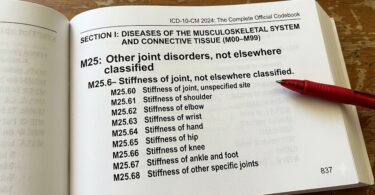
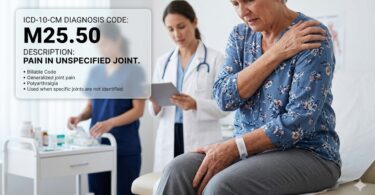
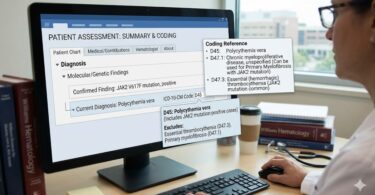
Eosinophilic disorders are a group of medical conditions characterized by an abnormal increase in eosinophils, a type of white blood cell involved in immune responses. These disorders can affect various organs, including the gastrointestinal tract, lungs, and skin, leading to chronic inflammation and tissue damage. Accurate diagnosis and proper ICD-10 coding are essential for effective treatment, insurance reimbursement, and epidemiological tracking.
This comprehensive guide explores the different types of eosinophilic disorders, their corresponding ICD-10 codes, diagnostic approaches, treatment options, and coding challenges. Whether you’re a healthcare provider, medical coder, or patient, this article provides valuable insights into managing and documenting eosinophilic conditions.
ICD-10 Code for Eosinophilic Disorder
Understanding Eosinophilic Disorders
Definition and Overview
Eosinophilic disorders occur when eosinophils—a type of white blood cell—accumulate in excessive numbers in tissues or blood. Normally, eosinophils play a role in fighting parasitic infections and modulating allergic responses. However, overactivity can lead to chronic inflammation and organ damage.
Role of Eosinophils in the Immune System
Eosinophils release toxic proteins (e.g., major basic protein, eosinophil peroxidase) that help combat infections but can also damage healthy tissues when overproduced. Their activation is regulated by cytokines like interleukin-5 (IL-5), which is often targeted in treatment.
Types of Eosinophilic Disorders
1. Eosinophilic Esophagitis (EoE)
-
Chronic immune-mediated disease causing esophageal inflammation.
-
Symptoms: Dysphagia, food impaction, heartburn.
-
ICD-10 Code: K20.0 (Eosinophilic esophagitis).
2. Hypereosinophilic Syndrome (HES)
-
A rare condition with persistently high eosinophil counts (>1,500/µL) leading to multi-organ damage.
-
ICD-10 Code: D72.1 (Eosinophilia).
3. Eosinophilic Asthma
-
A subtype of asthma marked by high eosinophil levels in airways.
-
ICD-10 Code: J45.909 (Unspecified asthma, uncomplicated).
4. Eosinophilic Gastroenteritis
-
Inflammation of the stomach and intestines due to eosinophil infiltration.
-
ICD-10 Code: K52.89 (Other specified noninfective gastroenteritis).
5. DRESS Syndrome
-
Severe drug hypersensitivity reaction with eosinophilia and systemic symptoms.
-
ICD-10 Code: L27.0 (Generalized skin eruption due to drugs).
ICD-10 Coding for Eosinophilic Disorders
Importance of Accurate ICD-10 Coding
Proper coding ensures:
-
Correct billing and insurance claims.
-
Accurate disease tracking and research.
-
Appropriate treatment planning.
Common ICD-10 Codes for Eosinophilic Conditions
| Disorder | ICD-10 Code | Description |
|---|---|---|
| Eosinophilic Esophagitis (EoE) | K20.0 | Inflammation of the esophagus |
| Hypereosinophilic Syndrome | D72.1 | Persistent eosinophilia |
| Eosinophilic Asthma | J45.909 | Asthma with eosinophilic phenotype |
| Eosinophilic Gastroenteritis | K52.89 | GI tract inflammation |
| DRESS Syndrome | L27.0 | Drug-induced eosinophilia |
Diagnosis and Clinical Workup
-
Blood Tests: Elevated eosinophil count (>500/µL).
-
Biopsy: Tissue samples showing eosinophil infiltration.
-
Endoscopy/Colonoscopy: For GI-related eosinophilic disorders.
Treatment and Management
-
Corticosteroids: First-line therapy to reduce inflammation.
-
Biologics (e.g., Mepolizumab): Target IL-5 to lower eosinophil levels.
-
Dietary Elimination: For EoE, removing trigger foods (dairy, wheat).
Challenges in Diagnosis and Coding
-
Overlapping symptoms with other conditions (e.g., GERD, Crohn’s disease).
-
Need for thorough documentation to justify ICD-10 codes.
Prognosis and Complications
Untreated eosinophilic disorders may lead to:
-
Esophageal strictures (EoE).
-
Cardiac fibrosis (HES).
-
Chronic respiratory failure (eosinophilic asthma).
FAQs
1. What is the most common eosinophilic disorder?
Eosinophilic esophagitis (EoE) is frequently diagnosed, especially in individuals with food allergies.
2. How is hypereosinophilic syndrome diagnosed?
Persistent eosinophilia (>1,500/µL for six months) and organ damage confirmation.
3. Can eosinophilic disorders be cured?
While not always curable, symptoms can be managed with medications and lifestyle changes.
Conclusion
Eosinophilic disorders require accurate ICD-10 coding for proper diagnosis and treatment. Understanding the different types, their codes, and management strategies ensures better patient outcomes. Always consult updated coding guidelines and clinical criteria for precise documentation.