Epistaxis, commonly known as a nosebleed, is a frequent medical condition affecting individuals of all ages. While most cases are minor and self-limiting, some require medical intervention. Accurate diagnosis and coding are crucial for healthcare providers to ensure proper treatment, billing, and statistical tracking.
The ICD-10 (International Classification of Diseases, 10th Revision) provides a standardized coding system for epistaxis, primarily classified under R04.0. However, depending on the cause and severity, additional codes may apply. This article explores the ICD-10 coding for epistaxis, its clinical implications, treatment options, and best practices for documentation.
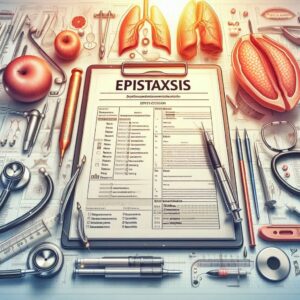
ICD-10 Code for Epistaxis
2. Understanding Epistaxis (Nosebleeds)
Definition and Types
Epistaxis refers to bleeding from the nasal cavity and is categorized into two types:
-
Anterior Epistaxis (90% of cases) – Originates from the front of the nose (Kiesselbach’s plexus).
-
Posterior Epistaxis (Less common but more severe) – Arises from deeper blood vessels and may require medical intervention.
Causes and Risk Factors
Common causes include:
-
Dry air
-
Trauma (nose picking, injury)
-
Hypertension
-
Blood-thinning medications (e.g., aspirin, warfarin)
-
Infections (sinusitis, rhinitis)
-
Underlying medical conditions (e.g., bleeding disorders, tumors)
3. ICD-10 Coding System Overview
What is ICD-10?
The ICD-10 is a globally recognized system for classifying diseases, symptoms, and medical procedures. It ensures uniformity in medical records, billing, and research.
Importance of Accurate Coding
-
Facilitates insurance reimbursement
-
Aids in epidemiological studies
-
Ensures proper patient care
4. ICD-10 Code for Epistaxis
The primary ICD-10 code for epistaxis is:
| ICD-10 Code | Description |
|---|---|
| R04.0 | Epistaxis (Nosebleed) |
Additional Codes for Specific Cases
-
R04.8 (Hemorrhage from other sites in respiratory passages)
-
R04.9 (Hemorrhage from respiratory passages, unspecified)
-
I10 (Essential hypertension, if contributing to epistaxis)
5. Clinical Documentation and Coding Best Practices
How to Document Epistaxis Correctly
-
Specify the location (anterior/posterior).
-
Note any underlying causes (e.g., trauma, hypertension).
-
Document treatment provided (e.g., cauterization, nasal packing).
Common Coding Errors to Avoid
-
Using unspecified codes when details are available.
-
Failing to link epistaxis to an underlying condition (e.g., hypertension).
6. Treatment and Management of Epistaxis
First Aid Measures
-
Sit upright and lean forward.
-
Pinch the nostrils for 10-15 minutes.
-
Apply ice to the nose bridge.
Medical Interventions
-
Nasal Cauterization (for recurrent bleeds)
-
Nasal Packing (for severe posterior bleeds)
-
Medications (topical vasoconstrictors, tranexamic acid)
7. When to Seek Medical Attention
-
Bleeding lasts longer than 20 minutes.
-
Heavy blood loss (lightheadedness, weakness).
-
Frequent recurrent episodes.
8. Prevention Strategies
-
Use a humidifier in dry climates.
-
Avoid nose picking.
-
Apply nasal saline sprays.
9. Epistaxis in Special Populations
Pediatric Cases
-
Common due to nasal trauma (nose picking).
-
Usually anterior and self-limiting.
Geriatric Cases
-
Often linked to hypertension or anticoagulant use.
-
Higher risk of posterior bleeds.
10. Related ICD-10 Codes for Associated Conditions
-
K13.79 (Other disturbances of oral epithelium)
-
D68.9 (Coagulation defect, unspecified)
11. Insurance and Billing Considerations
-
Ensure proper linkage between epistaxis and contributing factors (e.g., hypertension).
-
Use modifiers if multiple treatments are performed.
12. Conclusion
Epistaxis is a common condition with varying severity levels. Proper ICD-10 coding (R04.0) ensures accurate medical records and billing. Understanding its causes, treatments, and documentation requirements enhances patient care and administrative efficiency.
13. FAQs
Q1: What is the most common ICD-10 code for nosebleeds?
A: The primary code is R04.0 for epistaxis.
Q2: When should I go to the ER for a nosebleed?
A: Seek emergency care if bleeding persists beyond 20 minutes or causes dizziness.
Q3: Can high blood pressure cause nosebleeds?
A: Yes, hypertension (I10) can contribute to epistaxis.