Guillain-Barré Syndrome (GBS) is a rare but serious autoimmune disorder in which the body’s immune system mistakenly attacks the peripheral nerves, leading to muscle weakness, paralysis, and, in severe cases, respiratory failure. Accurate diagnosis and proper medical coding are crucial for effective treatment, insurance claims, and healthcare data tracking.
The ICD-10 (International Classification of Diseases, 10th Revision) code for Guillain-Barré Syndrome is G61.0. This code ensures standardized documentation across medical records, billing systems, and epidemiological research.
This comprehensive guide explores GBS in detail—its causes, symptoms, diagnostic methods, treatment options, and the correct ICD-10 coding practices. Whether you’re a healthcare professional, medical coder, or a patient seeking information, this article provides valuable insights into GBS and its classification in modern healthcare systems.

ICD-10 Code for Guillain-Barré Syndrome
Understanding Guillain-Barré Syndrome (GBS)
Definition and Overview
Guillain-Barré Syndrome is an acute inflammatory demyelinating polyneuropathy (AIDP) that affects the peripheral nervous system. It often follows an infection (such as a respiratory or gastrointestinal illness) and progresses rapidly, leading to ascending paralysis.
Causes and Risk Factors
-
Post-infectious trigger: Commonly occurs after infections like Campylobacter jejuni, Epstein-Barr virus, or Zika virus.
-
Autoimmune response: The immune system attacks the myelin sheath of nerves.
-
Vaccination link: Rarely associated with certain vaccines (e.g., flu shot).
Symptoms and Clinical Presentation
-
Tingling and weakness in the legs (ascending paralysis)
-
Difficulty walking or climbing stairs
-
Severe pain (neuropathic)
-
Facial drooping (if cranial nerves are affected)
-
Respiratory muscle weakness (requiring ventilator support in 20-30% of cases)
Diagnosis of Guillain-Barré Syndrome
Clinical Evaluation
-
Medical history: Recent infections or vaccinations.
-
Neurological exam: Assessing reflexes, muscle strength, and sensation.
Diagnostic Tests
| Test | Purpose |
|---|---|
| Lumbar Puncture | High protein levels in CSF with normal WBC count (albuminocytologic dissociation). |
| Nerve Conduction Studies (NCS) | Detects slowed nerve signals due to demyelination. |
| Electromyography (EMG) | Measures electrical activity in muscles. |
ICD-10 Coding for Guillain-Barré Syndrome
What is ICD-10?
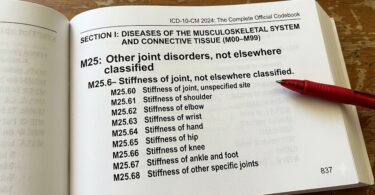
The International Classification of Diseases, 10th Revision (ICD-10) is a globally recognized system for coding diseases, symptoms, and medical procedures.
Specific ICD-10 Code for GBS
-
G61.0 – Guillain-Barré Syndrome (most commonly used).
-
B94.1 – Sequelae of Guillain-Barré Syndrome (for long-term complications).
Related ICD-10 Codes
| Code | Description |
|---|---|
| G61.1 | Serum neuropathy |
| G61.8 | Other inflammatory polyneuropathies |
| G62.9 | Polyneuropathy, unspecified |
Proper coding ensures accurate billing, insurance processing, and epidemiological tracking.
Treatment and Management of GBS
Medical Interventions
-
Intravenous Immunoglobulin (IVIG): Helps block harmful antibodies.
-
Plasmapheresis (Plasma Exchange): Removes damaging antibodies from blood.
Supportive Care
-
Mechanical ventilation (if respiratory muscles are affected).
-
Physical therapy to regain muscle strength.
Prognosis and Complications
-
Recovery: Most patients improve within weeks to months.
-
Long-term effects: Fatigue, residual weakness, or chronic pain in some cases.
Preventive Measures and Research Advances
-
Monitoring post-infection symptoms.
-
Research on immunomodulatory therapies.
Case Studies
-
Case 1: A 45-year-old male developed GBS after a Campylobacter infection—treated successfully with IVIG.
-
Case 2: A 30-year-old female required ventilator support but recovered after six months of rehabilitation.
FAQs on Guillain-Barré Syndrome and ICD-10 Coding
Q1: What is the most accurate ICD-10 code for Guillain-Barré Syndrome?
-
A: G61.0 is the primary code for GBS.
Q2: Can GBS be cured?
-
A: There is no cure, but treatments like IVIG and plasma exchange can speed recovery.
Q3: Is Guillain-Barré Syndrome fatal?
-
A: Most patients recover, but severe cases may lead to life-threatening complications like respiratory failure.
Conclusion
Guillain-Barré Syndrome (GBS) is a severe autoimmune disorder requiring prompt diagnosis and treatment. The ICD-10 code G61.0 ensures accurate medical documentation. Early intervention with IVIG or plasmapheresis improves outcomes, while ongoing research aims to enhance recovery and reduce complications.