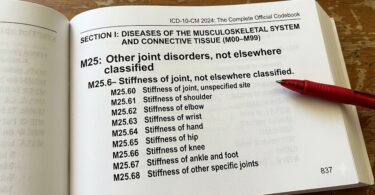
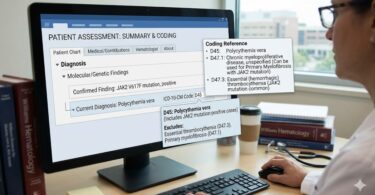
Helicobacter pylori (H. pylori) is a spiral-shaped bacterium that colonizes the stomach lining, leading to chronic gastritis, peptic ulcers, and even gastric cancer in severe cases. Accurate medical coding is essential for diagnosis, treatment, and insurance claims. The ICD-10 code for H. pylori infection is B96.81, classified under “Bacterial agents as the cause of diseases classified elsewhere.”
This article provides an in-depth exploration of H. pylori infection, its diagnosis, treatment, and proper ICD-10 coding guidelines. Whether you’re a healthcare provider, medical coder, or patient seeking detailed information, this guide will enhance your understanding of this common yet impactful bacterial infection.

ICD-10 Code for H. Pylori Infection
Understanding Helicobacter Pylori (H. Pylori) Infection
What is H. Pylori?
H. pylori is a gram-negative bacterium that thrives in the acidic environment of the stomach. It is estimated that 50% of the global population is infected, though many remain asymptomatic.
How Does H. Pylori Cause Infection?
The bacterium produces urease, an enzyme that neutralizes stomach acid, allowing it to penetrate the mucosal lining. Over time, this leads to:
-
Chronic inflammation (gastritis)
-
Ulcer formation (peptic ulcers)
-
Increased risk of gastric adenocarcinoma
Symptoms and Complications
Common symptoms include:
-
Abdominal pain (especially when fasting)
-
Bloating and nausea
-
Loss of appetite
-
Unintended weight loss
Severe complications may involve:
-
Gastrointestinal bleeding (due to ulcers)
-
Gastric outlet obstruction
-
Increased risk of stomach cancer
Diagnosis of H. Pylori Infection
Laboratory Tests
| Test Type | Description | Accuracy |
|---|---|---|
| Urea Breath Test | Detects labeled carbon dioxide after ingestion of urea | >95% |
| Stool Antigen Test | Identifies H. pylori antigens in stool | 90-95% |
| Serology (Blood Test) | Detects antibodies (indicates past or present infection) | 70-85% |
Endoscopic Procedures
-
Upper Endoscopy (EGD) with biopsy
-
Rapid Urease Test (CLO Test)
Non-Invasive Testing Methods
-
PCR Testing (for antibiotic resistance detection)
ICD-10 Coding for H. Pylori Infection
Primary ICD-10 Code
-
B96.81 – Helicobacter pylori [H. pylori] as the cause of diseases classified elsewhere
Related Codes for Associated Conditions
| Condition | ICD-10 Code |
|---|---|
| Acute gastritis due to H. pylori | K29.70 |
| Chronic gastritis due to H. pylori | K29.50 |
| Peptic ulcer due to H. pylori | K27.0 (duodenal), K27.4 (gastric) |
| Dyspepsia with H. pylori | K30 |
Common Coding Scenarios
-
Asymptomatic carrier: Z22.8 (Carrier of other infectious diseases)
-
H. pylori with gastritis: K29.70 + B96.81
-
H. pylori with gastric ulcer: K27.4 + B96.81
Treatment and Management of H. Pylori
First-Line Therapy (Triple Therapy)
-
Proton Pump Inhibitor (PPI) (e.g., omeprazole)
-
Clarithromycin
-
Amoxicillin or Metronidazole
Second-Line Therapy (Quadruple Therapy)
-
PPI
-
Bismuth subsalicylate
-
Tetracycline
-
Metronidazole
Follow-Up Testing
-
Repeat urea breath or stool antigen test 4 weeks post-treatment
Prevention and Lifestyle Modifications
-
Improved sanitation (reduces transmission)
-
Avoiding NSAIDs (can worsen ulcers)
-
Dietary changes (reducing spicy/acidic foods)
Complications of Untreated H. Pylori Infection
-
Peptic Ulcer Disease (PUD)
-
Gastric Adenocarcinoma (2-3% risk)
-
MALT Lymphoma (mucosa-associated lymphoid tissue lymphoma)
Frequently Asked Questions (FAQs)
1. What is the most accurate test for H. pylori?
The urea breath test and stool antigen test are the most reliable non-invasive methods.
2. Can H. pylori be cured without antibiotics?
No, antibiotics are mandatory for eradication. Natural remedies may help symptoms but do not eliminate the infection.
3. Is H. pylori contagious?
Yes, it spreads through oral-oral or fecal-oral routes (contaminated food/water).
4. What happens if H. pylori is left untreated?
It can lead to chronic gastritis, ulcers, and stomach cancer.
5. Can H. pylori come back after treatment?
Yes, reinfection is possible, especially in high-prevalence regions.
Conclusion
H. pylori infection is a major cause of gastritis, ulcers, and gastric cancer. Proper diagnosis, accurate ICD-10 coding (B96.81), and effective antibiotic therapy are crucial. Follow-up testing ensures eradication, reducing long-term complications.
Additional Resources
-
CDC Guidelines on H. Pylori: www.cdc.gov
-
World Health Organization (WHO): www.who.int
-
American Gastroenterological Association (AGA): www.gastro.org