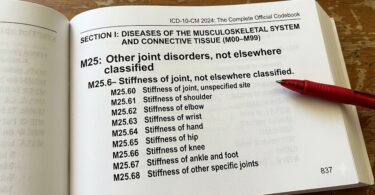
Hemoglobin (Hgb) and hematocrit (Hct) are two of the most critical laboratory values in medicine, providing essential insights into a patient’s blood health. These tests help diagnose conditions like anemia, polycythemia, dehydration, and chronic diseases. Accurate ICD-10 coding for H&H abnormalities ensures proper documentation, billing, and reimbursement.
This comprehensive guide explores the ICD-10 codes for hemoglobin and hematocrit abnormalities, their clinical significance, and best practices for medical coding. Whether you’re a healthcare provider, coder, or student, this article will serve as a valuable reference.
ICD-10 Code for H&H
Understanding Hemoglobin (Hgb) and Hematocrit (Hct)
What is Hemoglobin?
Hemoglobin is a protein in red blood cells (RBCs) responsible for carrying oxygen from the lungs to tissues and returning carbon dioxide to the lungs for exhalation. Normal hemoglobin levels vary by age and sex:
| Group | Normal Hemoglobin Range (g/dL) |
|---|---|
| Adult Men | 13.8 – 17.2 |
| Adult Women | 12.1 – 15.1 |
| Children (1-18 yrs) | Varies by age |
What is Hematocrit?
Hematocrit measures the percentage of RBCs in the total blood volume. It is closely related to hemoglobin and helps assess blood viscosity and oxygen-carrying capacity.
| Group | Normal Hematocrit Range (%) |
|---|---|
| Adult Men | 40 – 52 |
| Adult Women | 35 – 47 |
| Children | Varies by age |
Importance of H&H Tests in Medical Diagnosis
-
Detects anemia (low Hgb/Hct)
-
Identifies polycythemia (high Hgb/Hct)
-
Monitors chronic diseases (e.g., CKD, heart failure)
-
Assesses dehydration or blood loss
ICD-10 Coding Basics
What is ICD-10?
The International Classification of Diseases, 10th Revision (ICD-10) is a standardized system used for:
-
Diagnosing conditions
-
Medical billing and insurance claims
-
Epidemiological research
Why Accurate Coding Matters
-
Ensures proper reimbursement
-
Reduces claim denials
-
Supports clinical decision-making
ICD-10 Codes for Hemoglobin and Hematocrit Abnormalities
Low Hemoglobin (Anemia) – ICD-10 Codes
| Condition | ICD-10 Code |
|---|---|
| Iron deficiency anemia | D50.9 |
| Anemia in chronic kidney disease | D63.1 |
| Anemia due to blood loss | D62 |
High Hemoglobin (Polycythemia) – ICD-10 Codes
| Condition | ICD-10 Code |
|---|---|
| Polycythemia vera | D45 |
| Secondary polycythemia | D75.1 |
Low Hematocrit – ICD-10 Codes
Often linked with anemia (e.g., D50.9).
High Hematocrit – ICD-10 Codes
-
Dehydration (E86.0)
-
Polycythemia (D45)
Common Conditions Associated with Abnormal H&H Levels
1. Iron Deficiency Anemia (D50.9)
-
Causes: Poor diet, blood loss, malabsorption
-
Symptoms: Fatigue, pallor, shortness of breath
2. Chronic Kidney Disease (CKD) (D63.1)
-
CKD reduces erythropoietin, leading to anemia
3. Dehydration (E86.0)
-
Causes relative polycythemia (high Hct due to low plasma volume)
How to Document H&H Results for Proper Coding
-
Specify cause (e.g., anemia due to CKD)
-
Include lab values in medical records
-
Use most specific ICD-10 code
Clinical Scenarios and Corresponding ICD-10 Codes
| Scenario | ICD-10 Code |
|---|---|
| Patient with fatigue, Hgb 10 g/dL | D64.9 (Anemia, unspecified) |
| Elevated Hct due to smoking | D75.1 (Secondary polycythemia) |
Reimbursement and Compliance Considerations
-
Medical necessity must be documented
-
Unspecified codes (e.g., D64.9) may lead to denials
-
Regular audits ensure coding accuracy
Frequently Asked Questions (FAQs)
Q1: What is the ICD-10 code for low hemoglobin?
-
Answer: D64.9 (Anemia, unspecified) or more specific codes like D50.9 (Iron deficiency anemia).
Q2: What ICD-10 code is used for high hematocrit?
-
Answer: D45 (Polycythemia vera) or D75.1 (Secondary polycythemia).
Q3: Can dehydration affect hematocrit levels?
-
Answer: Yes, dehydration causes relative polycythemia (E86.0).
Conclusion
Accurate ICD-10 coding for H&H ensures proper diagnosis and billing. Understanding codes for anemia (D50.9), polycythemia (D45), and related conditions is crucial for healthcare providers. Always document lab results clearly to support medical necessity and compliance.